Your Cart is Empty


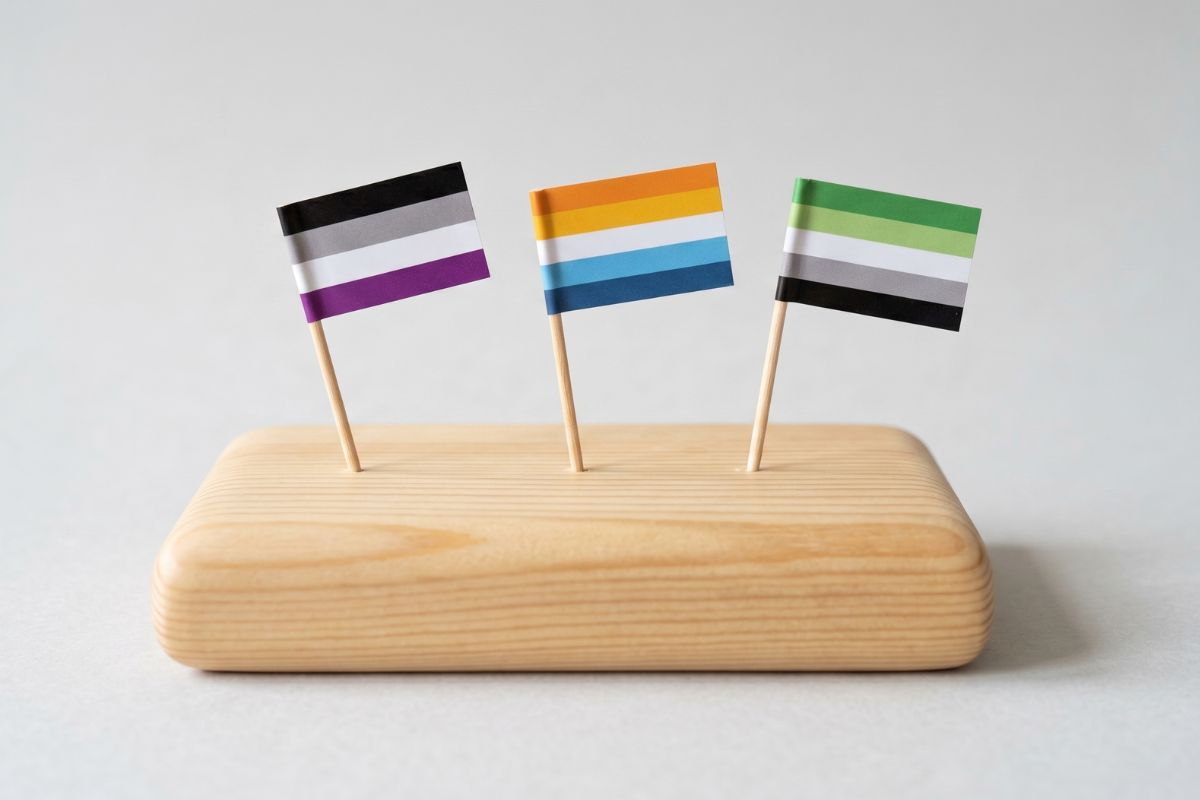
If you're not familiar with the term, asexuality is a sexual orientation where a person doesn't experience sexual attraction. It's a legitimate and valid identity, and it's important to talk about because a lot of people don't even know it exists.
It is important to recognise and validate all the different ways people experience attraction and desire. We've come a long way in terms of acceptance of the LGBTQ+ community, but there's still a lot of misunderstanding and ignorance when it comes to asexuality.
One of the biggest misconceptions about asexuality is that it's just a phase or that a person hasn't found the right person yet. But the truth is, asexuality is a real and lifelong orientation. Just like how some people are straight, gay, or bi, some people are asexual.
Another thing to keep in mind is that asexuality is a spectrum. Some people identify as completely asexual and experience no sexual attraction at all, while others may experience some degree of attraction but still consider themselves asexual. It's important not to assume that all asexual people are the same or have the same experiences.
It's also important to remember that asexuality doesn't mean a person can't have romantic relationships. Asexual people can still experience romantic attraction and have fulfilling romantic relationships with other people, whether they are asexual or not. It's just that sexual attraction isn't part of the equation.
If you're questioning whether or not you might be asexual, it's important to do some research and educate yourself. There are plenty of online resources and communities where you can connect with other asexual people and learn more about the orientation. Start with the Asexual Visibility & Education Network.
Overall, it's important to remember that asexuality is a legitimate and valid sexual orientation. It's time to start including asexual people in the conversation and recognising their experiences. Let's keep working towards a more inclusive and accepting world for everyone, no matter how they identify.
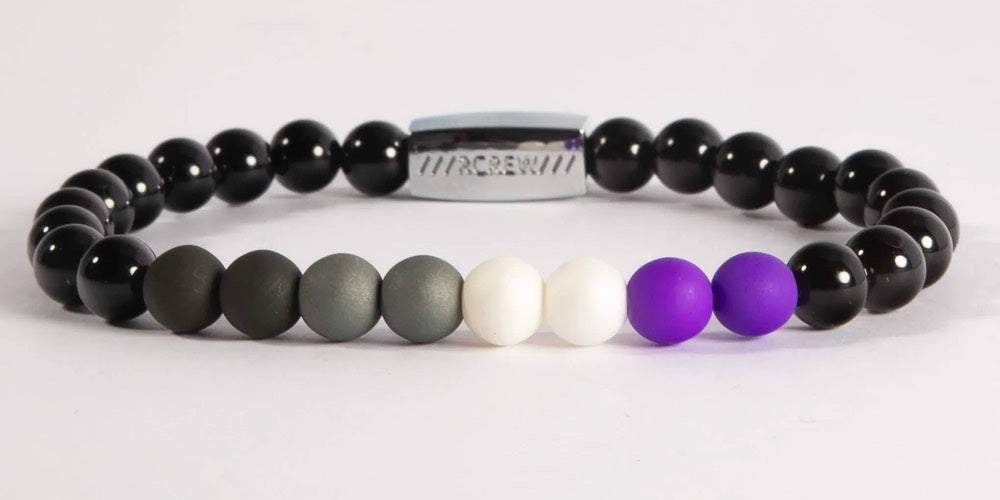
Check out our Asexual bracelet so that you can wear your asexual pride every day, and start the conversation with people around you about asexuality.

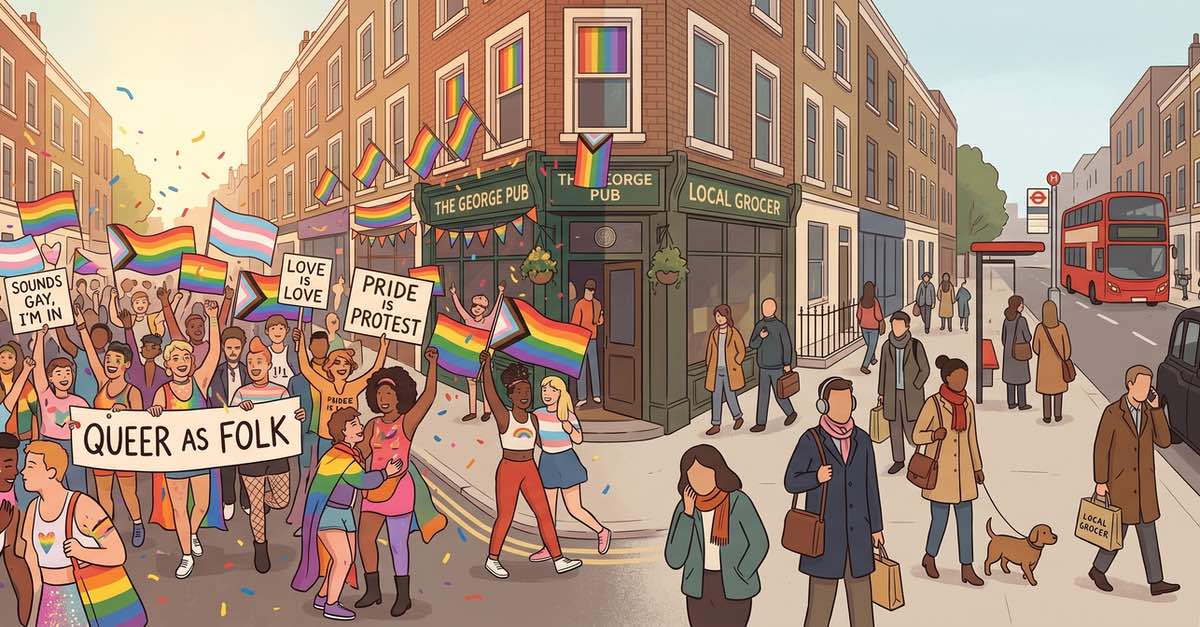
Pride Month is built around love and sexual liberation. For asexual and aromantic people, that framing can make June feel like the loneliest month of all. Here is what that experience actually looks like, and what belonging means when the party was not designed with you in mind.

For a few hours every summer, the guesswork stops. You can look around and simply know. This is what Pride does that nothing else does. The question worth asking is what happens when it ends.

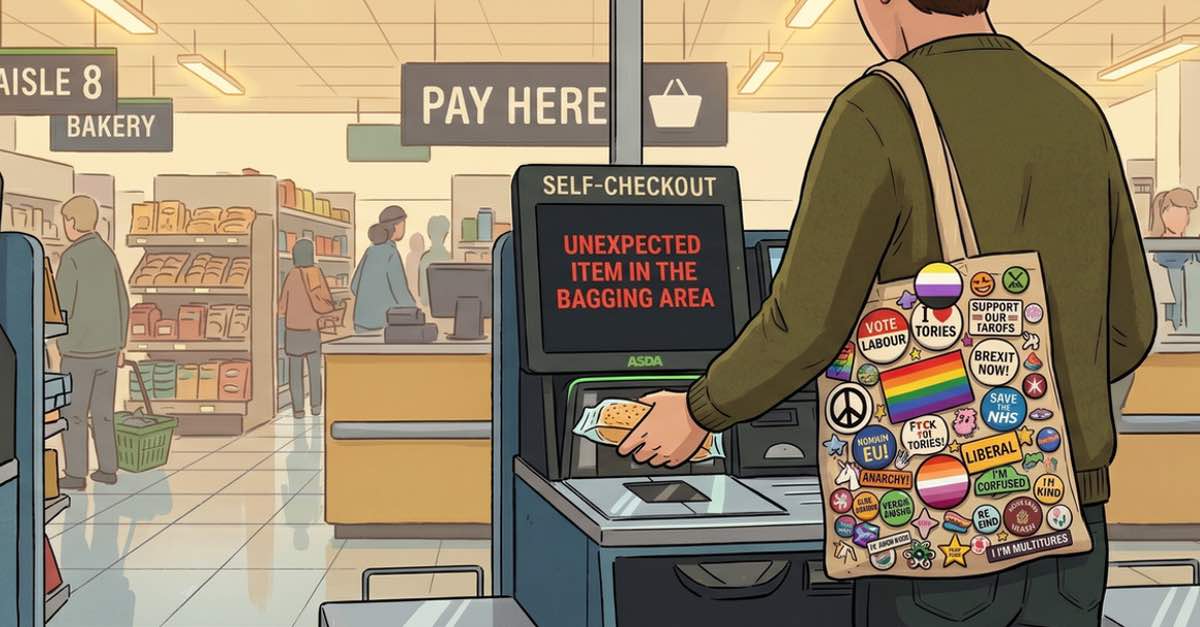
You and your people are in the same spaces every day. The same supermarkets, the same offices, the same commutes. The problem was never finding each other. It was knowing each other. And that is a different problem entirely.