Your Cart is Empty

All the latest news, stories and updates from RCREW

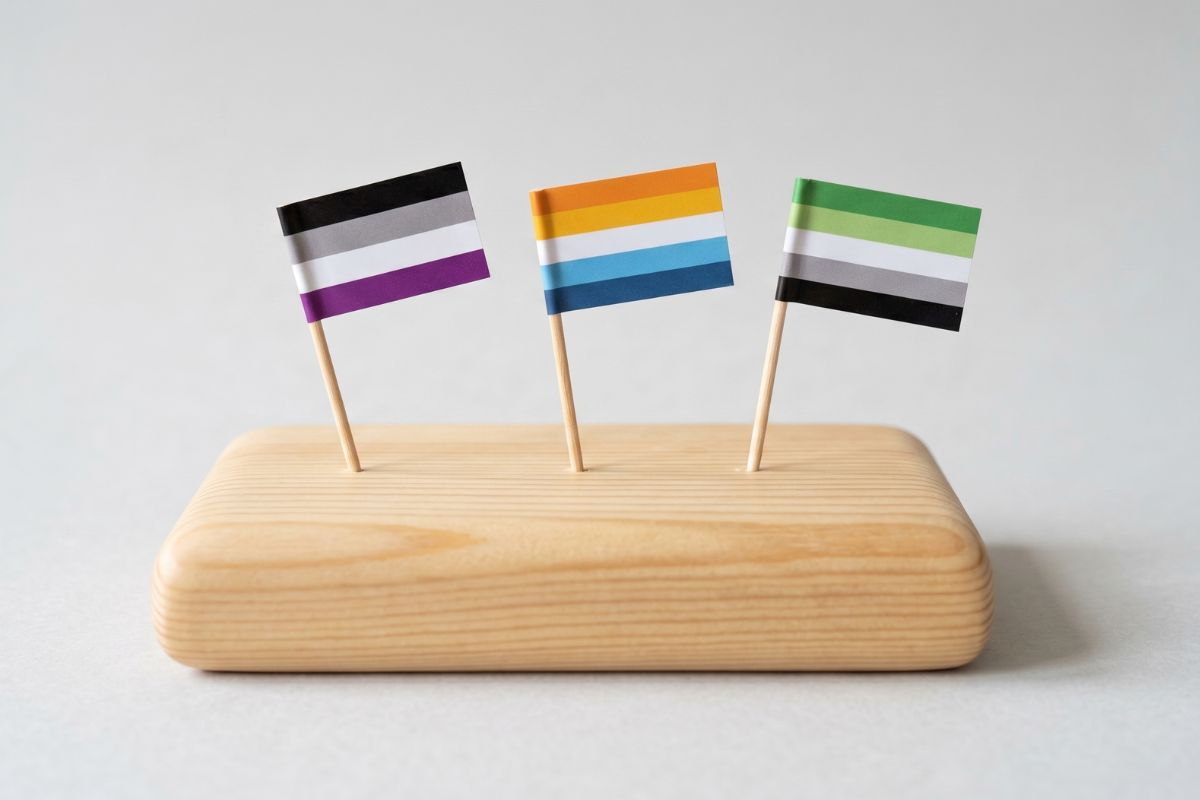
Pride Month is built around love and sexual liberation. For asexual and aromantic people, that framing can make June feel like the loneliest month of all. Here is what that experience actually looks like, and what belonging means when the party was not designed with you in mind.

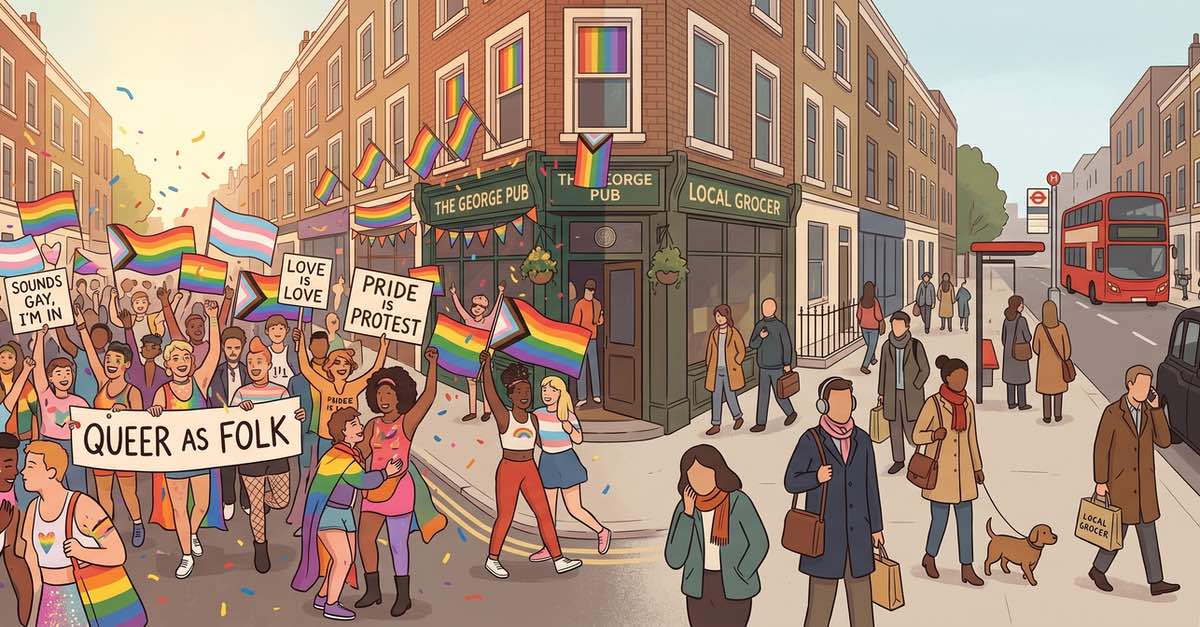
For a few hours every summer, the guesswork stops. You can look around and simply know. This is what Pride does that nothing else does. The question worth asking is what happens when it ends.

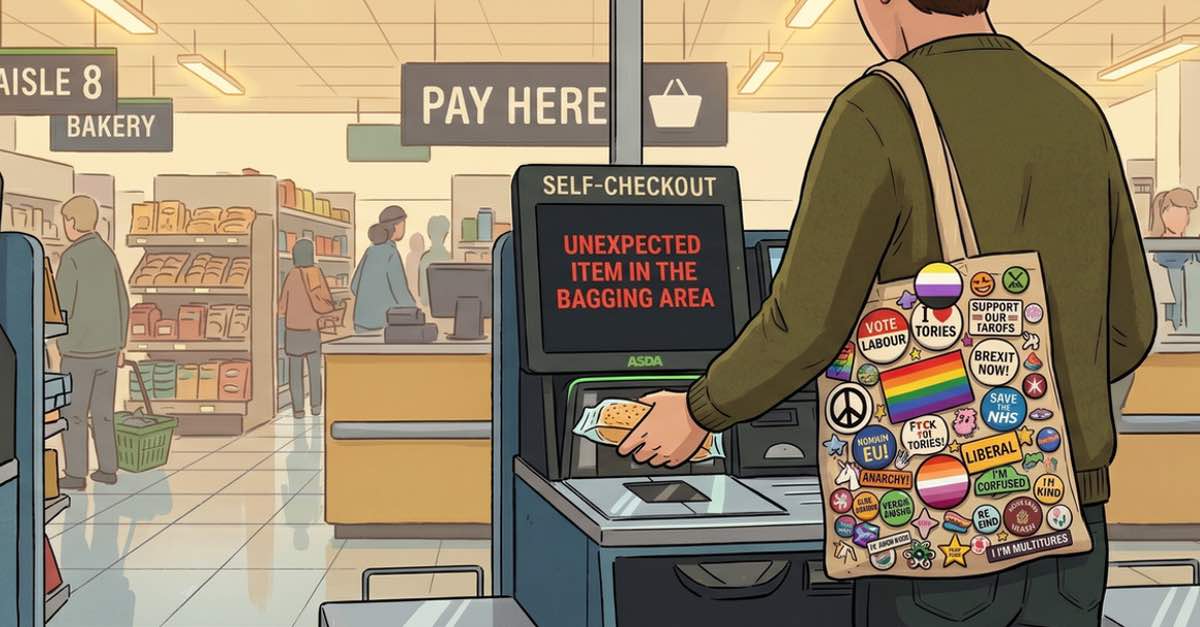
You and your people are in the same spaces every day. The same supermarkets, the same offices, the same commutes. The problem was never finding each other. It was knowing each other. And that is a different problem entirely.

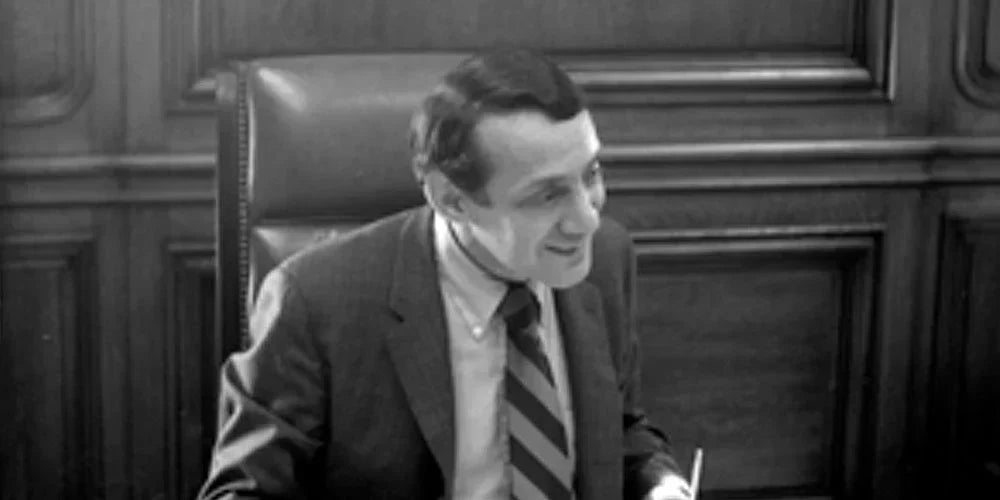
"Every gay person must come out," Harvey Milk said in 1978. He believed visibility would destroy myths and change the world.
He was right. Nearly 50 years later, coming out looks different. It's not always a speech or a grand announcement. Sometimes visibility is as quiet as wearing a bracelet.

IDAHOBIT began with people who refused to accept that who they loved was wrong. Thirty-six years on, the refusal that created it has never stopped. It just looks different now.

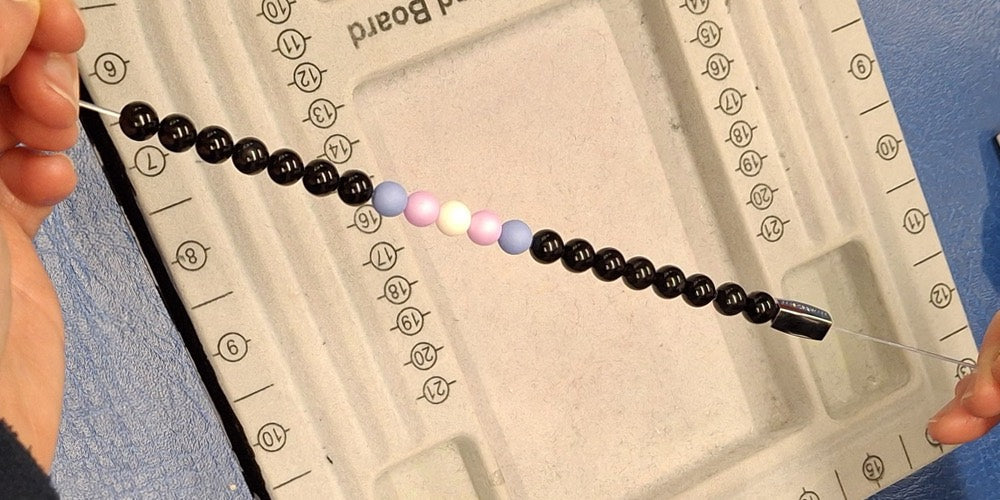
The people who make every RCREW bracelet work at Watford Workshop in Hertfordshire, where over a hundred adults with disabilities do skilled, purposeful work every day.

Most queer people spend a lifetime mastering the guessing game. Nobody told us it had an off switch.

Lesbian Visibility Week is for queer women everywhere. But for femme lesbians, visibility is a daily struggle the world rarely acknowledges. This is what being seen actually means.

Coming out later in life is rarely the clean, cathartic moment that popular culture portrays. It is messier, more complicated, and more quietly courageous than that

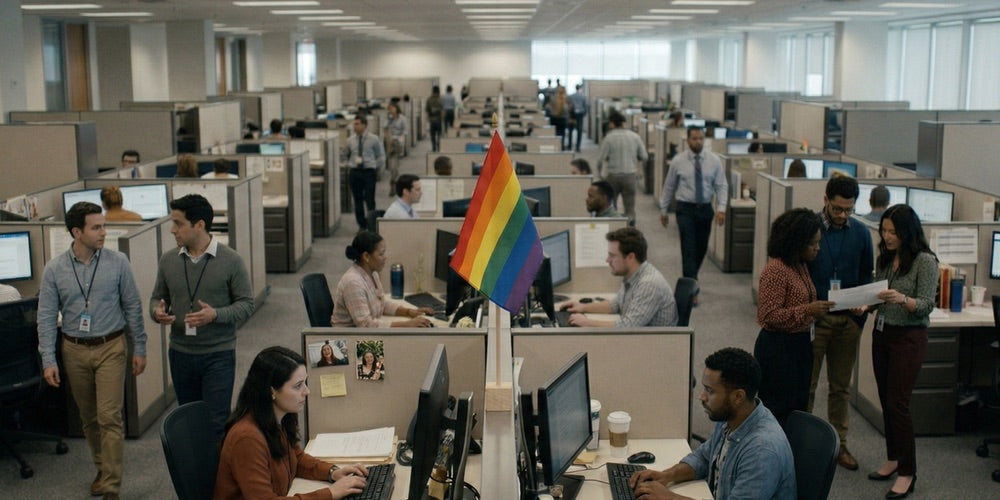
39% of LGBTQ+ employees still hide their identity at work. This post is for ERG leads holding the line; and includes a free offer for workplace networks.

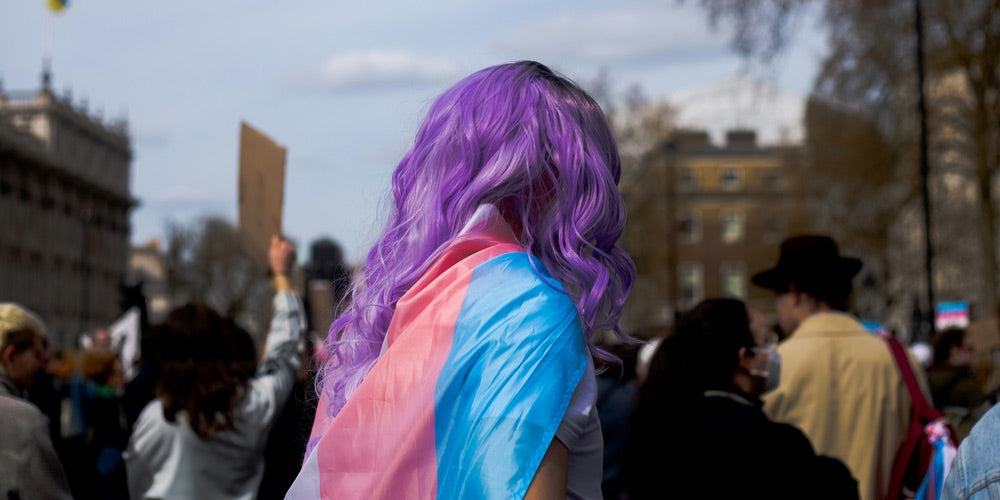
Being visible when the world wants you invisible is a radical act. This Trans Day of Visibility, we look at the reality of trans life in the UK today and why solidarity matters more now than ever before.

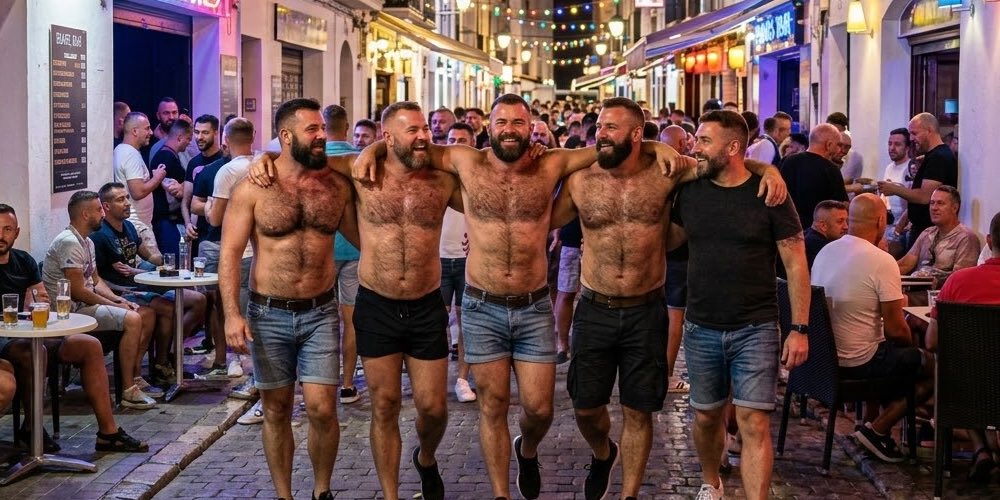
The bear brotherhood isn't a look. It's a value system. Here's what it actually means to belong to one of the most distinctive communities in queer life.