Your Cart is Empty


National Student Pride 2026 is happening on 13-14 February in London. If you've never been, you're in for something extraordinary.
Since 2005, National Student Pride (NSP) has been the UK's largest LGBTQ+ student event. What started as a direct response to homophobia on university campuses has grown into an "agenda-setting" festival that bridges student life and the professional world. It's not a party (well, it is, but it's more than that). It's a protest, a careers convention, a community festival, and for many students, their very first Pride.
This year's event is set to be massive. Thousands of students from across the UK. Drag royalty from RuPaul's Drag Race UK. Political trailblazers. The UK's largest LGBTQ+ inclusive careers fair. Live music. Panel discussions tackling everything from trans rights to queer homelessness. And yes, the legendary therapy puppy room.
If you're heading to London, here's everything you need to know. And if you can't make it, here's how to capture that NSP energy in your everyday student life.
National Student Pride runs across two packed days:
The day kicks off with the UpSkill Careers Afternoon at the London School of Economics (LSE). This is where forward-thinking employers (Google, Santander, the Civil Service, and more) actively recruit LGBTQ+ talent. The entire point is that you can show up as your full self. No code-switching. No hiding your pronouns on your CV. No wondering if mentioning your same-sex partner in an interview will cost you the job.
The evening shifts to celebration with the National Student Pride Awards, honouring student activists, societies, and allies who've made a real difference on their campuses. Then it's straight to the Welcome Party at G-A-Y Heaven, one of London's most iconic LGBTQ+ venues. Thousands of students. Multiple floors of music.
The main event. The Daytime Festival takes over the University of Westminster's Marylebone Campus. This is where NSP really comes alive.
You've got the UK's largest LGBTQ+ inclusive careers fair. Employers who don't just tolerate queer employees but actively want to hire you. It's a space where being visibly trans, non-binary, or gender non-conforming isn't a barrier. It's an asset.
There are panel discussions covering topics that matter: trans healthcare, queer activism, mental health, sex education, navigating family rejection. These aren't sanitised corporate panels. They're cutting-edge conversations led by people who've lived it.
The Music Stage showcases up-and-coming LGBTQ+ artists and student talent. You'll discover new favourites, support queer musicians, and dance.
And when it all gets a bit overwhelming (because activism is exhausting, even when it's joyful), there's the Therapy Puppy Room. Exactly what it sounds like. A room full of puppies. It's become an NSP institution, and for good reason.
There are Pride events all over the UK. London Pride. Manchester Pride. Brighton. Glasgow. So what makes NSP special?
For students who grew up in small towns or in families where being out wasn't easy, National Student Pride is often their first Pride ever. The atmosphere reflects that. It's supportive. It's emotional. People cry. People hug strangers. It's the first time many students have been in a room where being LGBTQ+ is the norm, not the exception.
Accessibility matters. NSP ensures that the Saturday Daytime Festival is free for students. You don't need disposable income to access community, careers advice, or activism. Visibility and networking aren't locked behind a paywall.
Most Pride events are either political (marches, protests) or celebratory (parties, parades). NSP is both. You can attend a panel on trans healthcare in the morning, network with potential employers at lunch, and dance at G-A-Y Heaven at night. It refuses to separate the political from the joyful. They're intertwined.
The diversity careers fair isn't a token gesture. It's the UK's largest, and it's designed for you. Employers attend because they want queer talent. You can ask questions like "What's your parental leave policy for same-sex couples?" or "Do you cover gender-affirming healthcare?" without worrying you've just torpedoed your chances.
For many students heading into corporate careers (law, finance, tech, consulting), this is the first time they've seen proof that being openly LGBTQ+ and professionally successful aren't mutually exclusive.
National Student Pride is two days. University is three years (or more).
After the event ends, you go back to your campus. Your city. Your everyday student life. Lectures. Seminars. Part-time shifts. Meal prep. Laundry. Essays.
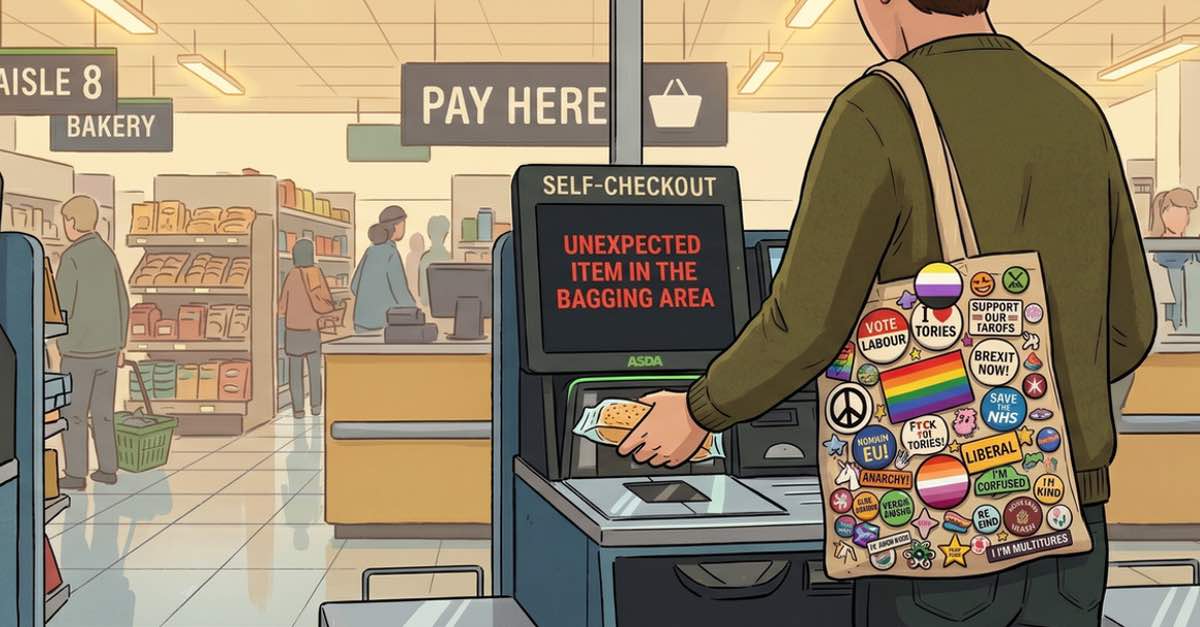
And here's the thing: the queer students don't disappear on 15 February. They're still here. They're in your Economics lecture. They're on your bus route home. They're buying meal deals at the same Tesco Metro. They're in your accommodation block, your sports team, your part-time job.
National Student Pride proves there are thousands of LGBTQ+ students at UK universities. After the event, they're dispersed across campuses, cities, and everyday life.
You just need a way to recognise each other.
Picture this: you're queuing at the Students' Union shop. The person in front of you has a bracelet. Bright pink, purple, and blue beads. You recognise it immediately: the bisexual flag. They turn around to grab their wallet. You make eye contact. You both know. No words needed. You've found each other.
Or this: you've been in the same seminar group for weeks. There's someone you like. You chat after class sometimes. You wonder if maybe they're queer, but you're not sure, and you don't want to assume. And then one day you notice their bracelet. Progress Pride colours. You break the ice. You mention your partner. They mention theirs. The conversation opens.
This is what coded signals do. They create permission. They say "I'm approachable" without requiring you to verbally come out to every new person you meet.
University is a unique phase of life, particularly in the UK. Most students leave home for the first time. You're dropped into a new city where you know nobody. Your entire social circle is built from scratch.
For LGBTQ+ students, this is both liberating and overwhelming. You're free to be yourself, but you're also navigating:
New friendships: Who in your flat is safe to talk to? Who in your course will get it?
Dispersed community: LGBTQ+ students aren't all in one building, university life spreads you across faculties, accommodation blocks, and timetables that never align.
Serendipity matters: The best friendships often happen accidentally. The person you sit next to in a lecture becomes your study partner, then your housemate, then your best friend. But you need a way to start that conversation.
Not everyone does societies: Some students work. Some have caring responsibilities. Some have social anxiety. Some live too far from campus. The LGBTQ+ Society is brilliant, but it's not accessible to everyone.
Coded signals work in all these contexts. They don't require you to attend specific events. They don't require verbal disclosure. They work in the lecture hall, the library, the bus, the supermarket, the gym, everywhere.
If you're attending NSP, we want to see where you wear your RCREW bracelet.
The challenge:
Tell us:
The prize:
We'll feature the best posts on our Instagram. One random submission wins a bracelet of their choice (any identity from our Bold Collection).
Deadline: 21 February 2026.
This isn't about showing off. It's about proving that coded signals work in real student life. It's about showing future students that there's a way to find your people beyond organised events.

Pride Month is built around love and sexual liberation. For asexual and aromantic people, that framing can make June feel like the loneliest month of all. Here is what that experience actually looks like, and what belonging means when the party was not designed with you in mind.

For a few hours every summer, the guesswork stops. You can look around and simply know. This is what Pride does that nothing else does. The question worth asking is what happens when it ends.

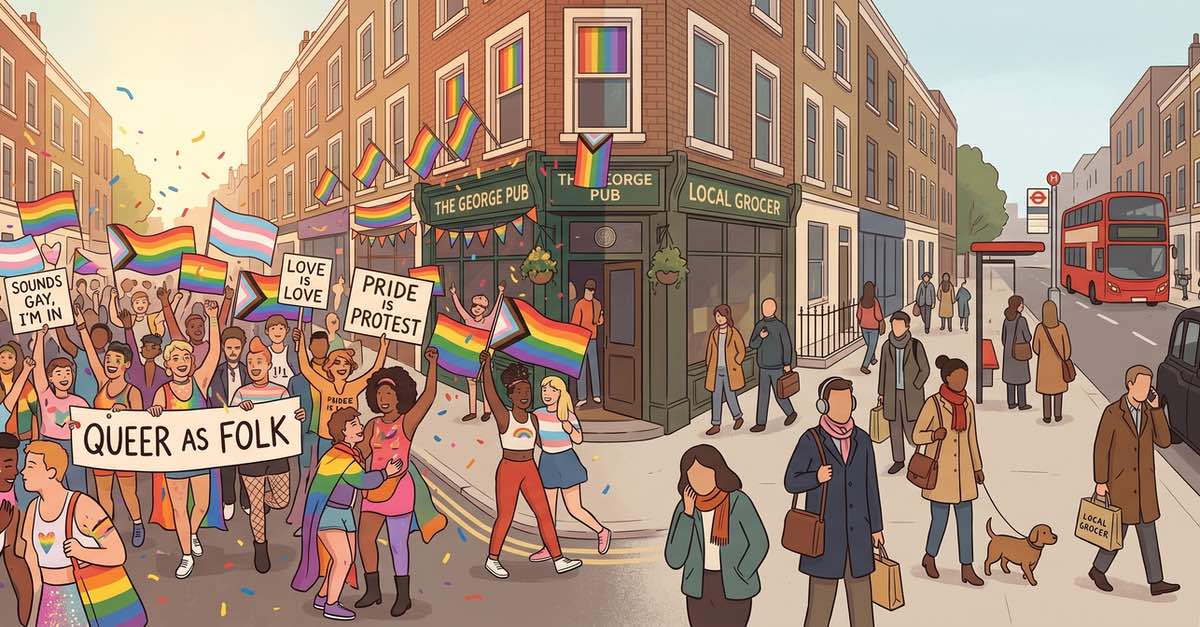
You and your people are in the same spaces every day. The same supermarkets, the same offices, the same commutes. The problem was never finding each other. It was knowing each other. And that is a different problem entirely.