Your Cart is Empty


Most people who want to be a good ally already are one, in the ways that matter most. They listen. They ask questions rather than assuming. They don't make their loved one's identity about themselves.
But there's often a gap between wanting to show up well and knowing what that actually looks like. Especially when someone you love has just come out, or when you're trying to understand an identity you haven't encountered before, or when you want to mark the moment with something more lasting than words.
This guide is for those people. Not a checklist of political positions, but a practical, human account of what the LGBTQ+ people in your life are most likely to need from you.
Allyship gets talked about in big, abstract terms: attending marches, speaking up in meetings, challenging prejudice when you see it. Those things matter. But for most people, most of the time, being a good LGBTQ+ ally looks quieter than that.
It looks like using the name and pronouns someone has asked you to use, without making a performance of how hard you're trying. It looks like not asking invasive questions about someone's body or medical history. It looks like not outing someone to people they haven't told yet, even with good intentions.
It looks like consistency. Not being visibly supportive during Pride month and then going quiet the rest of the year. The people who matter most to your LGBTQ+ loved ones are the ones who show up the same way in February as they do in June.
Allyship is not a status. It's a practice.
It's something you do, not something you are.
Being the person someone chooses to come out to is a significant thing. It means they trust you enough to be honest about something they may have sat with for years.
The most important thing you can do in that moment is make it safe for them to have told you. That means not making it about you: not crying, not expressing guilt about not having known sooner, not immediately asking a string of questions. It means saying something simple and warm, and then following their lead.
'Thank you for telling me' is a good start. 'I love you and that hasn't changed' is better. What you're communicating is that the relationship is intact, which is usually what they most need to hear.
After that first conversation, the most common thing LGBTQ+ people say they wished allies understood is this: let it be normal. Don't treat every subsequent interaction as an opportunity to demonstrate your support. Don't bring it up constantly. Don't go silent about it either. Just let it become part of how you know each other.
Language matters, and it can feel like a minefield if you're new to it. It isn't, once you understand the basics.
If someone has told you their pronouns, use them. If you get them wrong, correct yourself without making it into a dramatic apology, and move on. The correction is what matters; the extended apology makes the other person responsible for managing your feelings about having made a mistake.
If you're not sure what pronouns someone uses, it's fine to ask, or to use they/them as a neutral default until you know. What isn't fine is refusing to use someone's pronouns because you find them grammatically inconvenient.
On terminology more broadly: it's worth learning the language of the specific identities in your loved one's life. The difference between non-binary and genderfluid, between gay and queer, between bi and pan: these distinctions matter to the people who hold them.
One of the things allies can do that LGBTQ+ people often can't do for themselves in every context is be visibly supportive. Putting a pronoun in your email signature. Pushing back when someone makes a casual homophobic remark in a group chat. Introducing someone by their chosen name without hesitation.
This is sometimes called privilege work. When the cost of visibility falls entirely on the LGBTQ+ person, allies can help distribute that weight.
It also matters in smaller, private ways. Asking about a same-sex partner with the same casual interest you'd show any other relationship. Remembering that a person's gender identity doesn't require a physical change to be real. Not treating someone's queerness as a phase or a question to be resolved.
If you're looking for a gift for an LGBTQ+ friend, partner, or family member, the most common mistake is reaching for something that signals pride loudly for one occasion and then sits in a drawer.
The novelty rainbow mug, the flag for Pride weekend, the slogan t-shirt: none of these are wrong, but they tend to communicate support for the event rather than support for the person. They don't travel well into everyday life.
What tends to mean more is something made to be worn every day. Something beautiful enough that a person chooses to put it on regardless of whether they're going somewhere queer, something that carries the signal subtly enough that it works across different contexts.
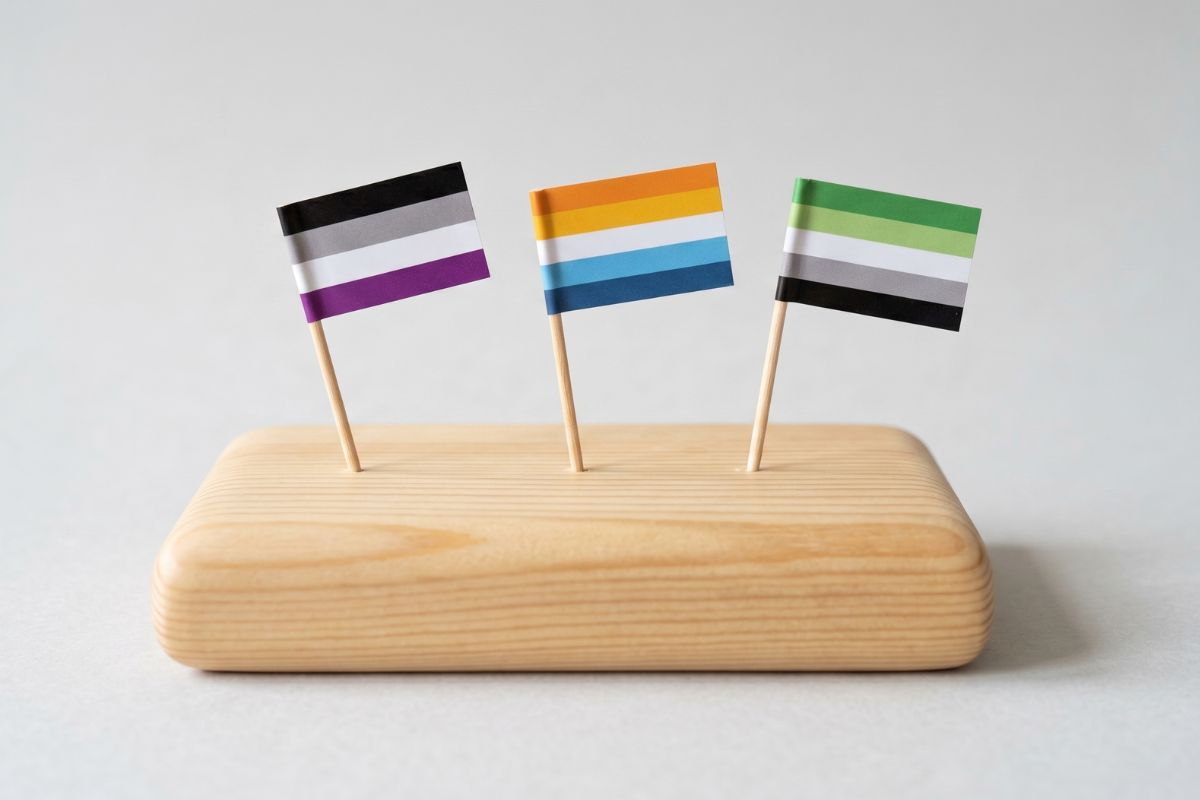
RCREW bracelets are made in the colours of specific identity flags. To someone unfamiliar with what the colours mean, they read as jewellery. To someone who knows the flag, they read as a signal: a quiet, specific acknowledgement of who that person is.
That's a different kind of gift from a pride accessory. It's not event-wear. It doesn't require a specific occasion to make sense. It's something a person might reach for on a Tuesday morning because it's part of how they present themselves to the world, not because it's June.
Every bracelet is made at Watford Workshop in Hertfordshire, by disabled workers who make each piece by hand. That provenance matters too: the gift carries a story about how it was made, not just what it represents.
Most pride gifts are designed for one weekend a year.
These are made for every day.
Shop identity pride bracelets on our gifts page
Everyone who tries to be a good ally gets it wrong sometimes. What matters is not getting it right every time. It's what you do when you get it wrong. Apologise simply, correct the behaviour, and don't make your mistake the centre of the conversation.
What matters is not getting it right every time. It's what you do when you get it wrong. Apologise simply, correct the behaviour, and don't make your mistake the centre of the conversation. The person you're supporting has usually encountered far worse than an honest mistake from someone who cares about them.
The goal isn't perfection. It's showing up, consistently, as someone who is genuinely trying.
Stonewall (stonewall.org.uk) has practical guidance for allies in a range of contexts, including workplaces and schools. PFLAG (pflag.org) is particularly useful for parents and family members navigating a loved one's coming out, with resources in both English and Welsh.
For understanding specific identities in more depth, the RCREW blog has guides to genderfluidity, non-binary identity, genderqueer experience, bisexuality, pansexuality, asexuality, and aromanticism, each written to be genuinely informative rather than introductory.
Showing up well for someone you love is rarely complicated. It's mostly a matter of paying attention, using the language they've asked for, and treating their identity as a normal part of who they are.
The rest follows from that

Pride Month is built around love and sexual liberation. For asexual and aromantic people, that framing can make June feel like the loneliest month of all. Here is what that experience actually looks like, and what belonging means when the party was not designed with you in mind.

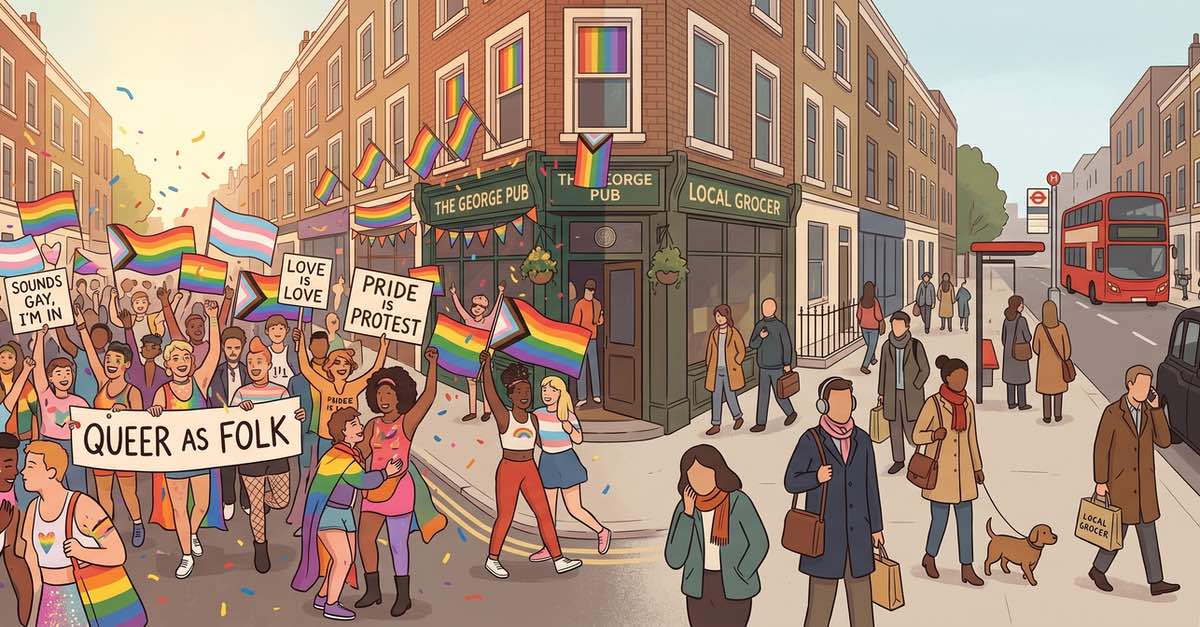
For a few hours every summer, the guesswork stops. You can look around and simply know. This is what Pride does that nothing else does. The question worth asking is what happens when it ends.

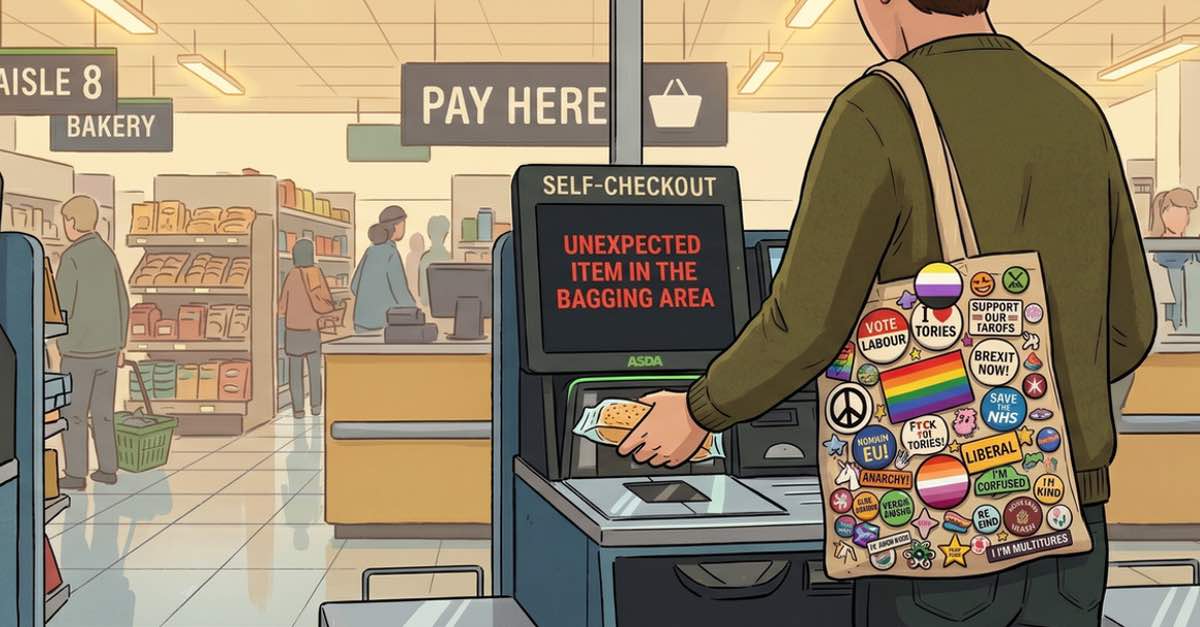
You and your people are in the same spaces every day. The same supermarkets, the same offices, the same commutes. The problem was never finding each other. It was knowing each other. And that is a different problem entirely.