Your Cart is Empty


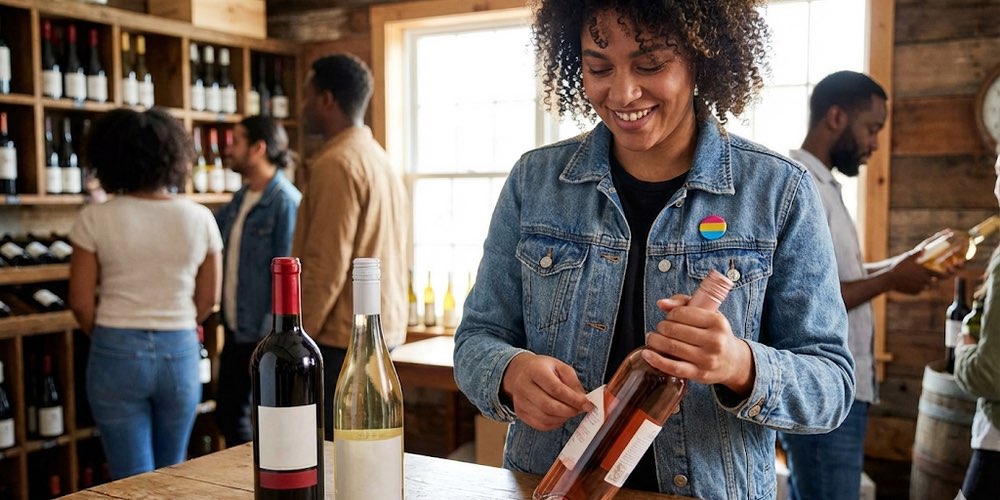
"I like the wine and not the label."
When David Rose delivered this now-iconic line on Schitt's Creek, he perfectly captured what it means to be pansexual in seven simple words. Gender isn't a deciding factor in who you're attracted to. It's the person themselves that matters.
If you've found yourself nodding along, wondering if this might describe your own experience, or simply want to understand what pansexuality means for someone you care about, you're in the right place. Let's explore what it truly means to be pansexual, beyond the stereotypes and misconceptions.
The term "pansexual" comes from the Greek prefix "pan," meaning "all." Pansexuality is the romantic, emotional, and sexual attraction to people regardless of their gender identity.
Here's the key part: for pansexual people, gender simply isn't a determining factor in attraction. Someone who's pansexual might be attracted to men, women, non-binary people, genderfluid individuals, and people across the entire gender spectrum. What matters isn't the gender of the person—it's who they are as an individual.
Some pansexual people describe themselves as "gender-blind," meaning that gender doesn't play a role in their attraction at all. Others find that whilst they can be attracted to people of any gender, they might experience that attraction differently depending on the person. Both experiences are valid expressions of pansexuality.
This is probably the most common question about pansexuality, and it's worth addressing head-on.
Bisexuality typically refers to attraction to more than one gender. Pansexuality specifically emphasises attraction regardless of gender, or to all genders. There's significant overlap between these identities, whilst they're distinct, many people identify with both labels or use them interchangeably.
The distinction often comes down to personal preference and what feels right for each individual. Some people choose "pansexual" because they feel it better expresses their experience of attraction without gender being a factor. Others prefer "bisexual" because of its historical significance or because they connect with the bi+ community.
Neither label is more evolved, more inclusive, or more "correct" than the other. Both bisexual and pansexual people can and do experience attraction across the gender spectrum. The idea that pansexuality is somehow more progressive or trans-inclusive than bisexuality is a harmful misconception. Bisexuality has never been limited to attraction to only two genders, and the bi+ community has always included trans and non-binary people.
Some people describe the difference this way: bisexual people might experience attraction differently depending on someone's gender (for instance, being attracted to confidence in men and creativity in women), whilst pansexual people's attraction isn't influenced by gender at all. Whilst this can be a helpful distinction for some, it doesn't apply to everyone who uses these labels.
Ultimately, how someone identifies is a personal choice. Many people find home in both the bisexual and pansexual communities, whilst others strongly identify with one label over the other. Both are valid, both are real, and both describe authentic experiences of multi-gender attraction.
Unfortunately, pansexual people face unique misconceptions that can be frustrating and harmful. Let's address some of the most common myths:
This is probably the most persistent stereotype. Having the capacity to be attracted to people of any gender does not mean automatic attraction to every person you meet. In the same way a heterosexual woman isn't attracted to every man she encounters, pansexual people have preferences, standards, and specific people they find attractive.
Pansexuality describes the potential for attraction across all genders, not a guarantee of universal attraction.
Whilst the term "pansexual" has gained visibility in recent years, the experience isn't new. The word first appeared in 1914, and people have experienced attraction regardless of gender throughout history. Increased awareness doesn't mean the identity is new or invalid. It means we finally have language to describe experiences that have always existed.
Attraction to multiple genders has nothing to do with the desire for multiple partners. Pansexual people are equally capable of committed, monogamous relationships as anyone else. Sexual orientation and relationship structure are completely separate aspects of identity.
This misconception sometimes suggests that by existing, pansexuality implies that bisexual people aren't attracted to trans individuals. This is completely false. Bisexuality has always included attraction to trans and non-binary people. Pansexuality isn't about being more inclusive than bisexuality. It's simply a different way of experiencing and describing attraction.
Many pansexual people describe a moment of relief when they first learn the term exists. After years of feeling like they didn't quite fit into existing categories, "pansexual" finally provides language for their experience.
For some, the realisation comes after identifying as bisexual and discovering that pansexuality better captures their experience. For others, it's the first label that feels right. There's no wrong path to understanding your own identity.
You might recognise yourself in these experiences: You've never really understood why gender matters so much in attraction. You find yourself attracted to people and only later do you think about their gender. You've been in relationships with people of different genders and the experience felt fundamentally the same. You connect with people based on personality, energy, and who they are rather than what gender they are.
If these experiences resonate with you, pansexuality might be the label that finally feels like home. Or you might find that whilst you experience these things, another label feels more comfortable.
Some pansexual people have complicated feelings about labels themselves. After all, if the whole point is that gender doesn't matter, why does the label matter?
Here's why labels can still be important: They provide language to describe your experience to others. They connect you to a community of people with similar experiences. They validate that your way of experiencing attraction is real and shared by others. They can be empowering and affirming.
Whilst some people embrace the label wholeheartedly, others use it loosely or alongside other identities like queer or bi+. There's no wrong way to relate to the term "pansexual."
In the 2021 UK Census, 112,000 people in England and Wales identified as pansexual. Combined with bisexual people, those attracted to multiple genders made up 1.51% of the population. Yet despite these numbers, many pansexual people find themselves constantly explaining their identity.
You might find yourself serving as a pansexuality educator, answering the same questions repeatedly: "What does that mean?" "Isn't that the same as bisexual?" "So you're attracted to everyone?" "What about pans?" (Yes, people really ask that one.)
Whilst this can be exhausting, many pansexual people also appreciate opportunities to increase visibility and understanding. Each conversation is a chance to combat misconceptions and help someone else who might be questioning their own identity.
Pansexual people often experience a unique form of erasure. In LGBTQ+ spaces, pansexuality is sometimes dismissed as "bisexuality with extra steps" or a trendy new label for an existing identity. In straight spaces, pansexuality might be met with confusion or dismissal.
You might find that people question whether pansexuality is "real" or necessary as an identity. They might suggest you're overthinking things or making sexuality too complicated. These experiences can be invalidating and isolating.
It's important to remember that you don't need anyone's permission or approval to identify as pansexual. Your identity is valid regardless of whether others understand it.
Being pansexual doesn't make relationships easier or more complicated than anyone else's, and whilst you might face unique challenges:
Your identity might be questioned or invalidated based on your current partner's gender. If you're in a relationship that appears heterosexual, people might assume you're straight. In a same-gender relationship, they might assume you're gay or lesbian. Your pansexuality doesn't change based on who you're with.
You might encounter partners who don't understand or accept your identity. Some people wrongly believe that pansexuality means you're more likely to cheat or can't commit. These misconceptions can strain relationships if not addressed openly.
On dating apps and in dating generally, you might face fetishisation or assumptions about your sexual availability. Being pansexual doesn't mean you're up for anything or interested in everyone.
You might experience microaggressions where your sexuality is dismissed or erased. Standing firm in your identity, regardless of external perceptions, is an ongoing process.
The good news? When you find partners who respect and celebrate your identity, those relationships can be deeply affirming. Many pansexual people find that their partners appreciate their openness and the way they experience attraction.
The pansexual community is growing and vibrant. Many people find connection through online communities, social media, bi+ organisations (which include pansexual people), and LGBTQ+ groups.
Pansexual and Panromantic Visibility Day, celebrated on 24 May, is an opportunity to connect with others who share your identity and celebrate pansexual voices. Many UK cities host bi+ and pansexual meetups, support groups, and social events.
Finding your people can make all the difference. Whether through online communities or in-person gatherings, connecting with other pansexual people who understand your experience can be incredibly validating.
Representation matters. When pansexual people see themselves reflected in media, public figures, and their communities, it validates their experiences and helps combat erasure.
For years, pansexuality was largely invisible in mainstream culture. People who experienced attraction regardless of gender often had no language to describe their experiences, or defaulted to labels that didn't quite fit. The increased visibility of pansexuality in recent years has been transformative for many people.
Increased visibility also means:
Young people questioning their sexuality have language to describe their experiences. Before pansexuality became more widely known, many people struggled to understand their own attraction patterns. Having the term available helps people make sense of their experiences earlier.
Pansexual individuals feel less isolated and more connected to community. Knowing you're not alone in your experience of attraction makes a profound difference to mental health and wellbeing.
Society develops a better understanding of the diversity within LGBTQ+ identities. Pansexual visibility helps challenge binary thinking about attraction and gender.
Mental health outcomes improve when people feel seen and accepted. Studies consistently show that LGBTQ+ individuals who feel accepted and visible experience better mental health outcomes.
When Janelle Monáe came out as pansexual in 2018, searches for the term "pansexual" skyrocketed. Her visibility sparked countless conversations, educated millions of people, and helped others recognise their own experiences in her words. That's the power of representation.
The pansexual pride flag was created in 2010 to increase visibility and provide a symbol for the community. The flag consists of three horizontal stripes:
 |
Pink: Represents attraction to people who identify as female Yellow: Represents attraction to non-binary and genderqueer people Blue: Represents attraction to people who identify as male Together, these colours symbolise attraction to people across the entire gender spectrum. |
Whilst there's no one way to "look" pansexual (and assuming someone's identity based on appearance is never a good idea), there are subtle signals that might indicate someone shares your identity:
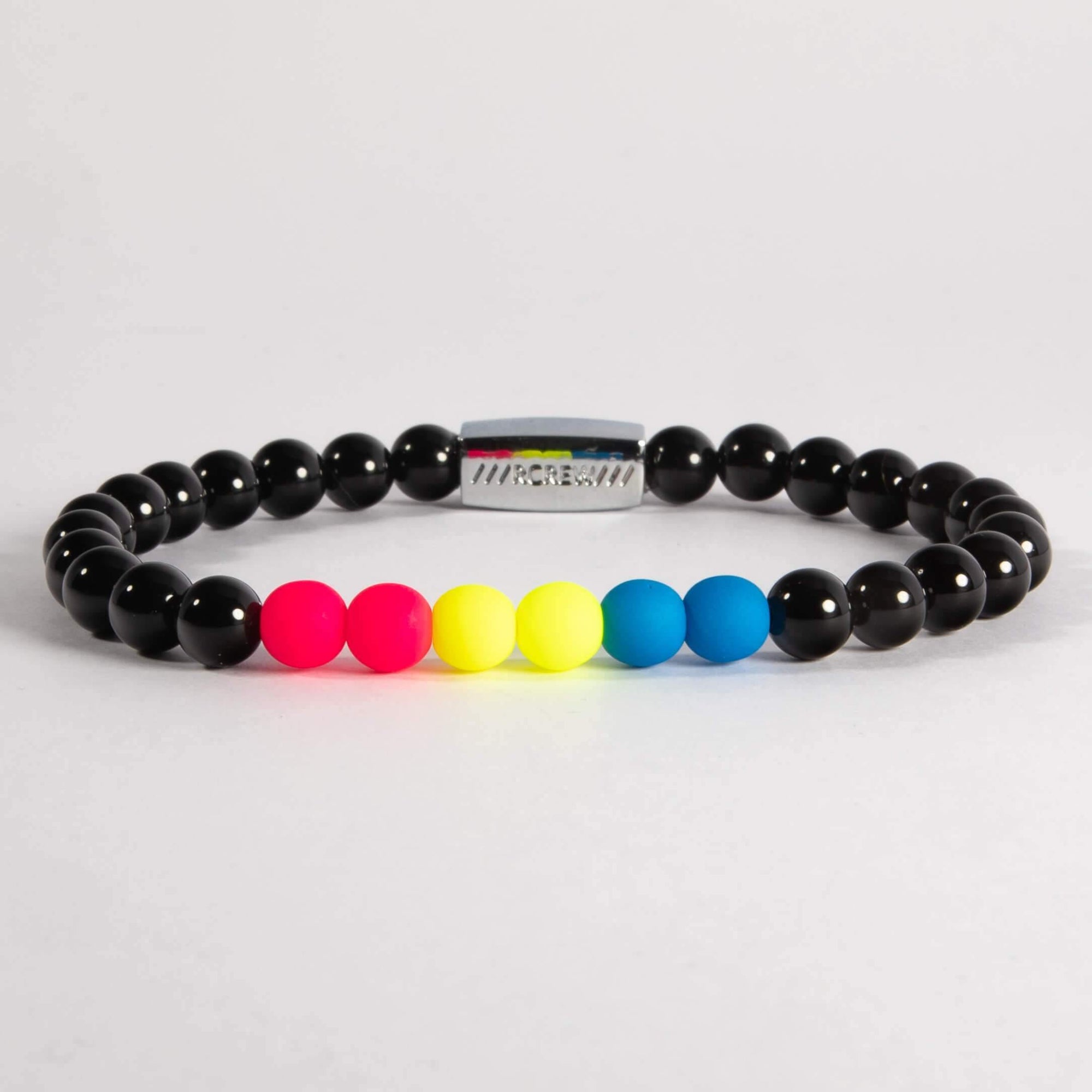
Pride symbols: Pansexual pins, pride jewellery, like pansexual bracelets, offer a subtle way to signal your identity whilst adding a meaningful piece to your everyday wardrobe. These small symbols can spark connections with others who recognise what they represent.
Direct mentions: Some people include their identity in social media bios, dating profiles, or casual conversation.
Community involvement: Participation in bi+ organisations, LGBTQ+ events, or online pansexual communities.
Remember that many pansexual people aren't publicly out, don't feel the need to signal their identity, or might not have access to pride symbols. The absence of visible signals doesn't mean someone isn't pansexual.
Our Pansexual Bracelet is designed to shine a subtle light on your pansexuality. Because you deserve to be seen for who you are, someone who experiences attraction beyond the boundaries of gender.
Representation has grown significantly in recent years, with more pansexual characters and public figures increasing visibility. Whilst there's still a long way to go, seeing pansexual people in media helps normalise the identity and provides important validation for those questioning their sexuality.
David Rose (Schitt's Creek): Perhaps the most famous pansexual character in television, David Rose, played by Dan Levy, explains his sexuality through that memorable wine metaphor: "I do drink red wine. But I also drink white wine. And I've been known to sample the occasional rosé. And a couple summers back, I tried a merlot that used to be a chardonnay, which got a bit complicated... I like the wine and not the label." The scene has become iconic for its simple, accessible explanation of pansexuality, whilst David's relationship with Patrick shows pansexual people in loving, committed partnerships. The show's creator, Dan Levy, deliberately wrote David's pansexuality without any homophobia or prejudice, creating a world where his identity is simply accepted. Interestingly, the scene helped actress Emily Hampshire, who plays Stevie, understand her own pansexuality years later.
Legends of Tomorrow: Sara Lance's character openly identifies as pansexual and has relationships with people of various genders throughout the series. Her portrayal shows pansexuality in an action hero context, challenging stereotypes about who can be pansexual.
Euphoria: Jules Vaughn explores her identity as a trans woman who's pansexual, providing important intersectional representation. The show handles her identity with nuance and complexity, showing how sexuality and gender identity intersect.
Deadpool (Films): Whilst not explicitly stated in the films, both the comics and actor Ryan Reynolds have confirmed that Deadpool is pansexual, making him one of the few pansexual superheroes in mainstream media.
Janelle Monáe: The singer, songwriter, and actress came out as pansexual in a 2018 Rolling Stone interview, stating, "Being a queer black woman in America, someone who has been in relationships with both men and women, I consider myself to be a free-arse motherfucker." After initially identifying as bisexual, she explained, "Later I read about pansexuality and was like, 'Oh, these are things that I identify with too.' I'm open to learning more about who I am." Her album "Dirty Computer" explores themes of sexual freedom and identity, whilst her visibility sparked widespread conversations about pansexuality. When the interview was released, "pansexual" became the most-searched word on Merriam-Webster's dictionary, demonstrating the power of celebrity representation.
Bella Thorne: The actress and singer has been open about her pansexuality, helping to normalise the identity for younger audiences. She's spoken about how gender doesn't factor into her attraction.
Miley Cyrus: Came out as pansexual in 2015, using her platform to increase visibility and understanding. She told Paper Magazine, "I'm literally open to every single thing that is consenting and doesn't involve an animal and everyone is of age."
Brendon Urie: The Panic! at the Disco frontman has spoken openly about being pansexual and attracted to people regardless of gender, helping bring pansexual visibility to the music world.
Cara Delevingne: The model and actress has identified as pansexual, describing her attraction as not limited by gender or biological sex.
Layla Moran MP: In 2020, the Liberal Democrat MP became the first openly pansexual member of the UK Parliament, providing important political representation.
This growing representation matters immensely. Every pansexual character in media and every public figure who comes out helps validate the experiences of pansexual people everywhere and educates the wider public about what pansexuality means.
Bi Pride UK: Creates spaces for people who experience attraction beyond gender, explicitly including those who identify as pan, pansexual, panromantic, bi, bisexual, poly, polysexual, queer, fluid, or no label at all.
Biscuit: Offers resources, advocacy, community, and support specifically for bisexual, pansexual, queer, and other non-monosexual people in the UK.
London Bi Pandas: Formed in 2007, this group builds bi+ community in London by providing safe spaces for anyone identifying under the bi+ umbrella, including pansexual and panromantic people.
Stonewall UK: Whilst focused on the broader LGBTQ+ community, Stonewall provides resources and advocacy that benefit pansexual individuals.
MindOut: Mental health service run by and for LGBTQ+ people, explicitly welcoming those who identify as pansexual.
Switchboard LGBT+ Helpline: 0300 330 0630 (Open 10:00-22:00 every day). A safe space to discuss sexuality, gender identity, and emotional wellbeing.
MindOut Online Support: National mental health support specifically for LGBTQ+ people, including those who are pansexual.
LGBT Foundation: 0345 3 30 30 30 (Monday-Friday, 10:00-18:00). Provides support, advice, and information to LGBT communities across the UK.
"The ABC's of LGBT+" by Ashley Mardell: Includes comprehensive information about pansexuality and other identities.
"Bi: Notes for a Bisexual Revolution" by Shiri Eisner: Whilst focused on bisexuality, this book includes important discussions about pansexuality and multi-gender attraction.
"The Queens' English: The LGBTQIA+ Dictionary of Lingo and Colloquial Phrases" by Chloe O. Davis: Provides definitions and context for pansexuality and related terms.
r/pansexual: Active Reddit community with over 200,000 members sharing experiences, resources, and support.
#Pansexual and #PansexualPride: Active hashtags on social media platforms for connecting with other pansexual people.
The Bi Pan Library: Online resource exploring pansexuality, bisexuality, and multi-gender attraction.
If you're pansexual, your identity is valid. It doesn't matter if you're currently in a relationship or single. It doesn't matter if people understand it immediately. It doesn't matter if you've had relationships with people of one gender or many.
Your attraction to people regardless of their gender is a beautiful expression of human diversity. You're part of a growing, vibrant community of people who see beyond gender to the person underneath.
Whether you've known you were pansexual for years or you're beginning to explore this identity, you deserve to be seen, understood, and celebrated for exactly who you are. Your experience matters.
Like the wine and not the label? Welcome home. We're glad you're here.

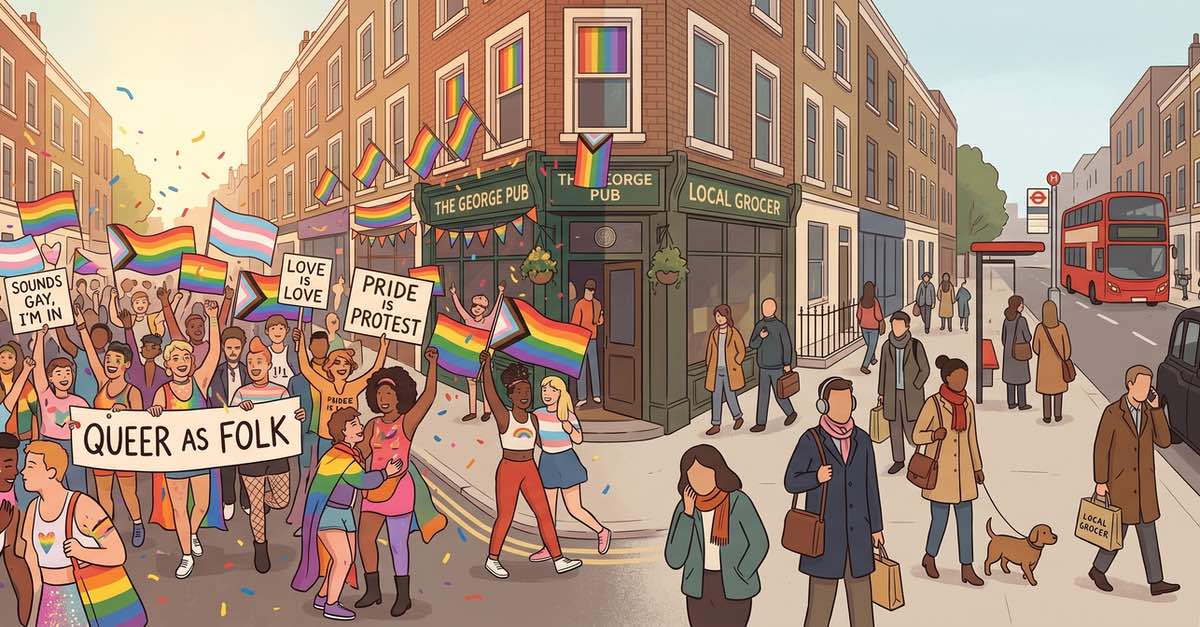
Pride Month is built around love and sexual liberation. For asexual and aromantic people, that framing can make June feel like the loneliest month of all. Here is what that experience actually looks like, and what belonging means when the party was not designed with you in mind.

For a few hours every summer, the guesswork stops. You can look around and simply know. This is what Pride does that nothing else does. The question worth asking is what happens when it ends.

You and your people are in the same spaces every day. The same supermarkets, the same offices, the same commutes. The problem was never finding each other. It was knowing each other. And that is a different problem entirely.