Your Cart is Empty


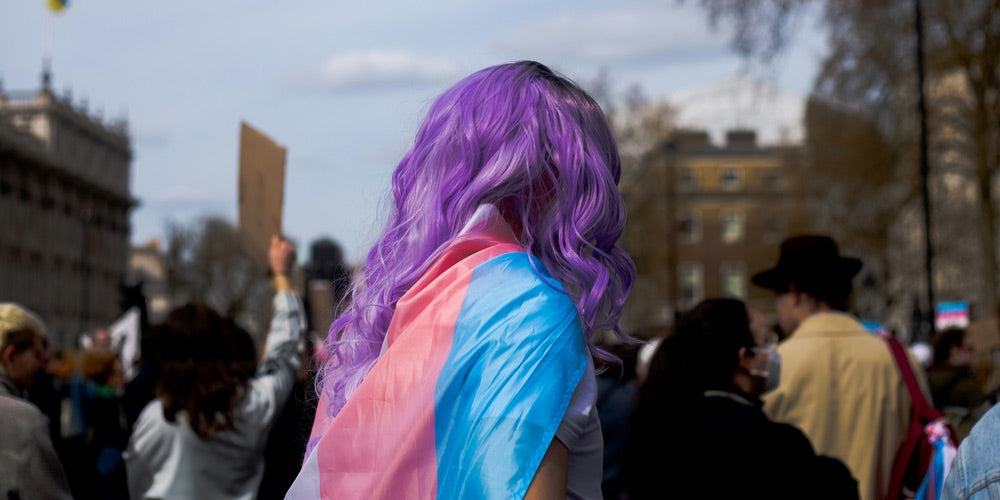
Being visible when the world wants you invisible is a radical act. It always has been. But in 2026, for trans people in the UK, it has become something closer to defiance.
Every year on 31 March, the LGBTQ+ community marks Trans Day of Visibility (TDOV). Created in 2009 by activist Rachel Crandall, the day was born from a specific frustration: the only well-known trans-centred date was the Transgender Day of Remembrance, which mourns those lost to violence. Crandall wanted a day that celebrated living trans people: a day that said: we are here, and we are worth celebrating.
Seventeen years later, that need has not faded. It has sharpened.
In April 2025, the UK Supreme Court delivered a unanimous ruling that the legal definition of ‘woman’ refers to biological sex, not the gender recognised in a Gender Recognition Certificate. The subsequent interim guidance from the Equality and Human Rights Commission (EHRC) recommended that trans people be excluded from spaces aligned with their lived gender. For many, this was not a legal abstraction; it was a statement about whether they belong in public life at all.
The legal landscape is only one piece of the puzzle. The cultural one, while harder to measure, is no less real. For years, a coordinated campaign has framed trans people, and trans women in particular, as a threat to women’s spaces, children, and the fabric of society. Researchers have documented this pattern: a small number of determined lobby groups, taking their lead from US-based organisations, pushing a narrative of ‘raising reasonable concerns’ while systematically working to erode rights held for decades.
The result is a media environment where a person’s existence is treated as permanently up for debate.
These courtroom decisions and media cycles have a measurable heartbeat. The Trans Lives 2025 report, published on 3 March 2026 by TransActual, provides the clearest picture we have of what this environment actually costs.
Based on responses from over 4,000 trans people in the UK:
This atmosphere has forced a painful new phenomenon: the "Trans Exile." The Trans Exile Network, a support group founded by former judge Victoria McCloud, now connects around 300 trans people and their families who have left the UK or are planning to do so. Ireland has become the most common destination. As McCloud noted when she moved in 2024, the "writing was on the wall" as early as the 2024 election.
Ten years ago, the UK was ranked first in Europe for LGBTQ+ rights. By 2024, it had fallen to 22nd. That is not a slow drift; it is a slide.
History has a pattern. The strategy of isolating a minority and framing their existence as a threat is a familiar playbook. It has been used before against other parts of the LGBTQ+ community. The community that survives is the one that recognises the playbook in time and refuses to let the target be isolated.
The protections currently under fire: the Equality Act, the Human Rights Act, do not only cover trans people. They cover all of us.
On the surface, the data is mixed. Trans identity hate crimes in England and Wales nearly doubled over the past five years: an 88% increase; while sexual orientation hate crimes rose 44%. However, the most recent Home Office figures (March 2025) showed an 11% fall in recorded trans hate crimes. While this is the first drop in years and is genuinely encouraging, one year’s improvement does not yet change the overall direction of travel. But it does prove that the direction can change.
Despite the pressure, the community has not remained quiet. On 26 July 2025, more than 100,000 people marched through London for Trans+ Pride. It was the largest trans pride march ever recorded, anywhere in the world.
In the same year that trans people were told their place in public life was debatable, 100,000 people: straight allies, parents, friends, and feminist organisations, showed up. Emergency protests flared in over 20 towns and cities in a single weekend, from Belfast to Brighton.
None of that happened because it was easy. It happened because enough people understood what solidarity actually means when it costs something. We have more love, more support, and more allies than at any other point in history. That is not optimism; it is documented fact.
TDOV is not a day to observe from a distance. It is a day to close ranks around the people in your community who are carrying the heaviest part of this burden.
Whether you are gay, bi, straight, queer, or questioning: today, we show up for trans people. Because that is what a community does when one part of it is under pressure.

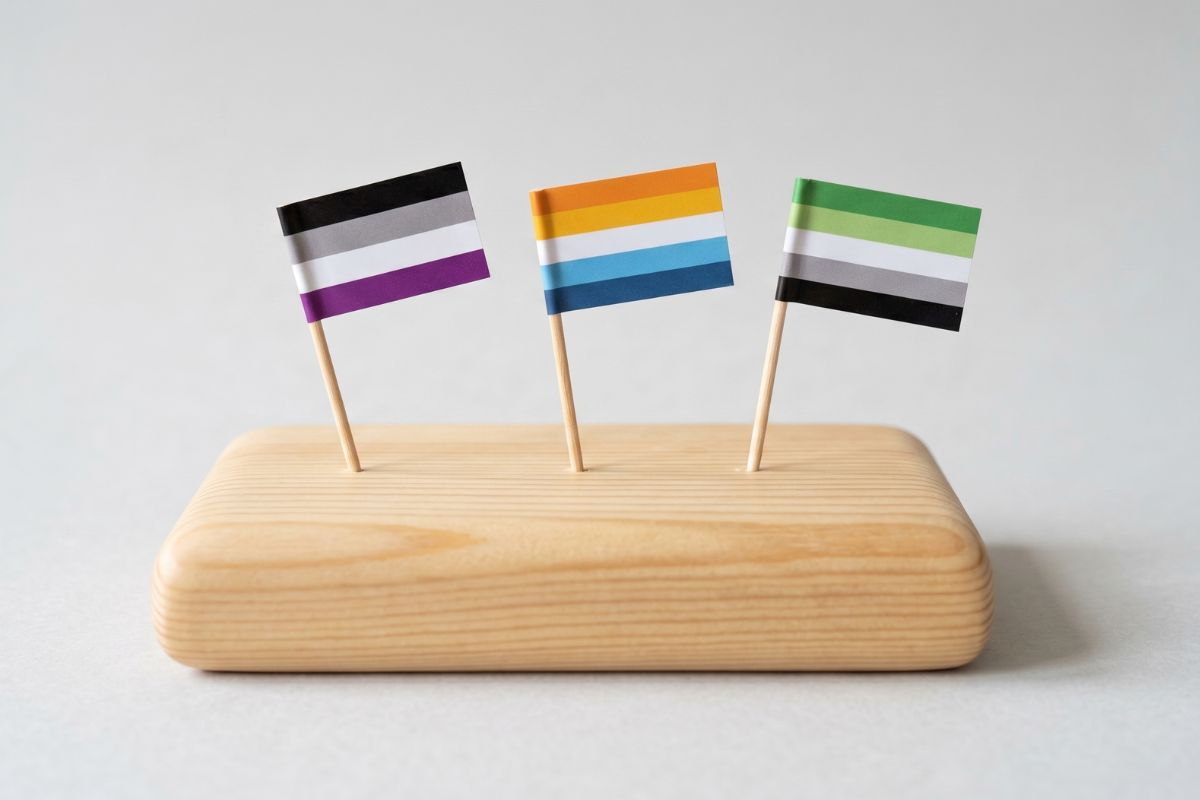
Pride Month is built around love and sexual liberation. For asexual and aromantic people, that framing can make June feel like the loneliest month of all. Here is what that experience actually looks like, and what belonging means when the party was not designed with you in mind.

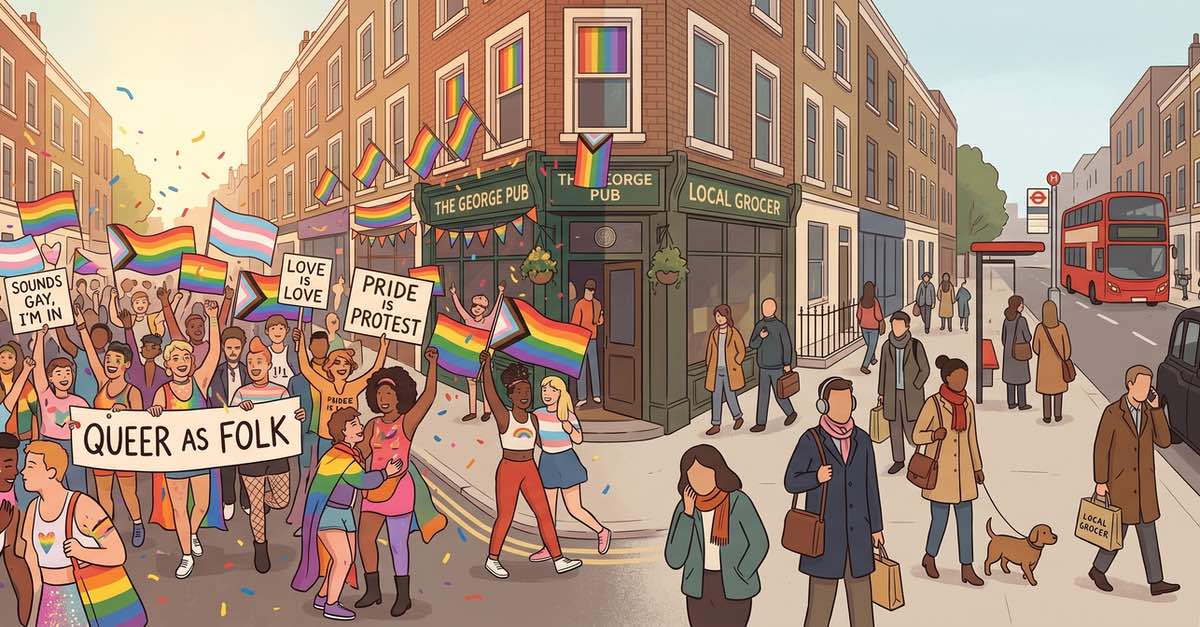
For a few hours every summer, the guesswork stops. You can look around and simply know. This is what Pride does that nothing else does. The question worth asking is what happens when it ends.

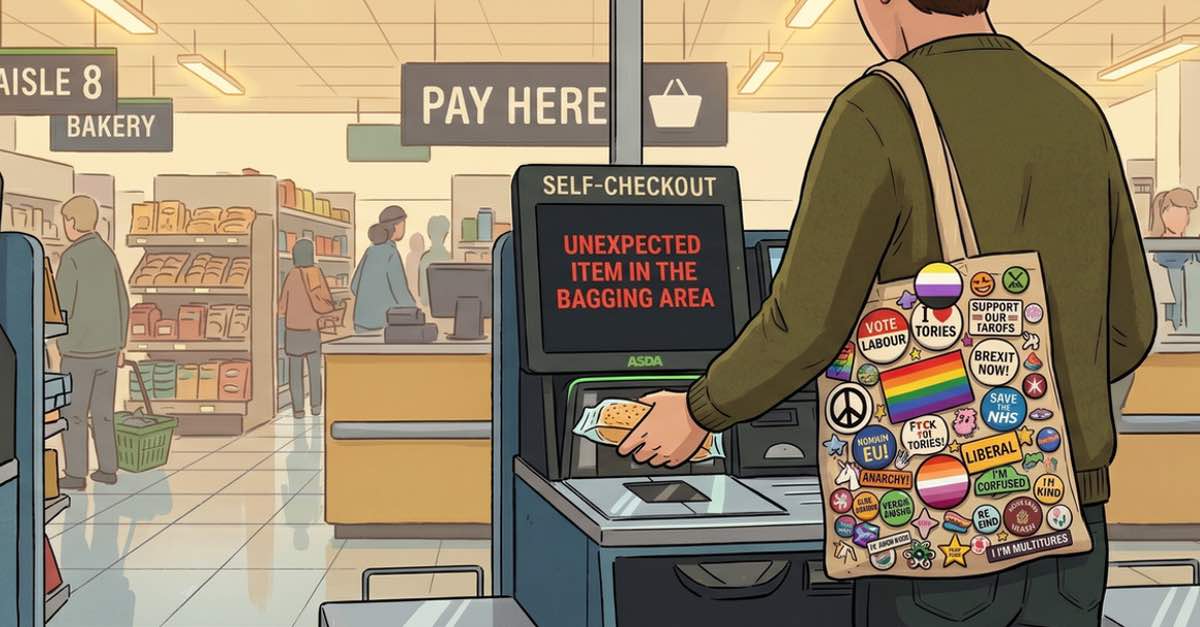
You and your people are in the same spaces every day. The same supermarkets, the same offices, the same commutes. The problem was never finding each other. It was knowing each other. And that is a different problem entirely.