Your Cart is Empty


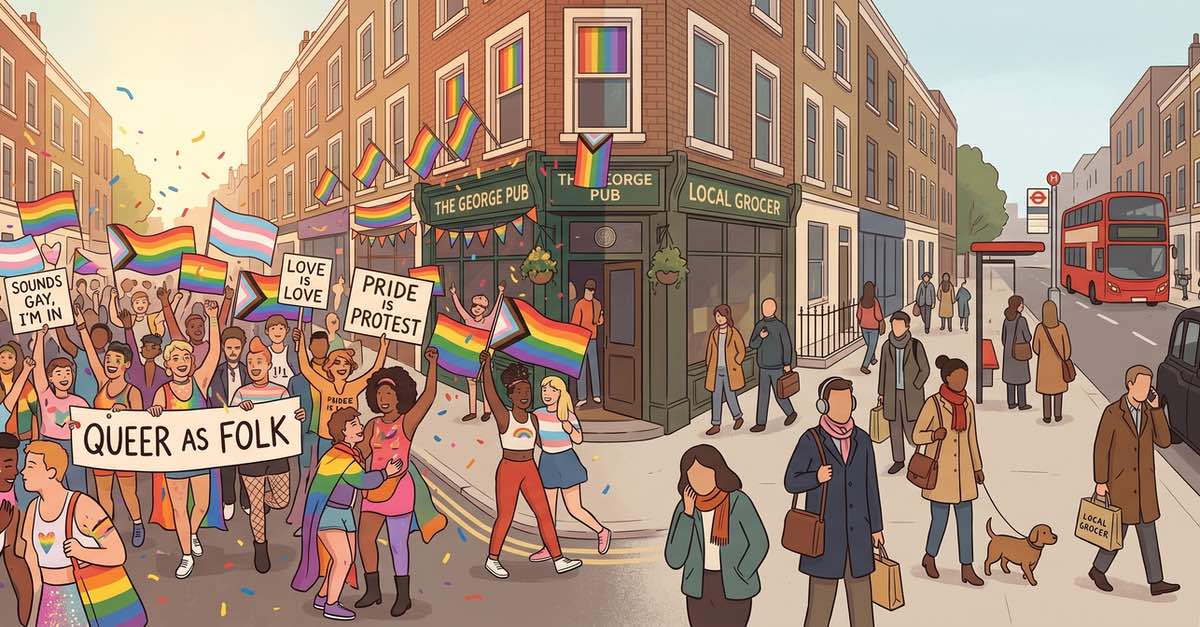
For one month a year, LGBTQ+ people are unmistakably visible to each other.
Not every day of June. The flags appear on public buildings. Some companies update their branding. Life, largely, carries on. But at the marches, the events, the gatherings, on those specific days, something different happens. The crowds arrive, the streets fill, and for a few hours the guesswork stops. You can look around and simply know.
That visibility did not arrive easily, and it did not arrive by accident.
On 28 June 1969, the police raided the Stonewall Inn in Greenwich Village, New York. It was not the first raid. It was not the first time LGBTQ+ people had been harassed, arrested, or driven from the few spaces that existed for them. But it was the night the community fought back. The uprising that followed lasted several days. The first Pride marches, held a year later to mark the anniversary, were not celebrations. They were demonstrations. Acts of defiant, public visibility in a city that had spent years trying to make LGBTQ+ people invisible.
Three years later, on 1 July 1972, around 2,000 people marched through London from Hyde Park to Trafalgar Square. They were making the same argument on different streets. Visibility as resistance. Community as a political act.
The decades that followed tested that argument repeatedly. In 1988, Section 28 became law in the UK, prohibiting local authorities from promoting homosexuality. It was repealed in Scotland in 2000 and in England and Wales in 2003. For over a decade, a generation of LGBTQ+ young people grew up in schools where their existence could not be acknowledged, let alone affirmed. There were no apps, no online communities, no algorithms connecting people with shared experience. Finding your people meant finding them in the real world, carefully, often quietly, in spaces that had to be sought out rather than stumbled upon. Pride during those years carried a particular weight. It was proof of presence. A reminder, to each other as much as anyone else, that the community was still there.
That history is not distant. Section 28 was repealed just over twenty years ago. The people who navigated it are in their thirties, forties, and fifties. Pride carries that weight whether the floats are corporate-sponsored or not. The visibility it creates is built on something real.
There is a specific feeling that arrives at a Pride event that is difficult to describe to someone who has not experienced it.
It is not just celebration, though celebration is part of it. It is not just political solidarity, though that is part of it too. It is something more immediate than either of those things. It is the feeling of being in a space where the usual calculations are suspended. Where you do not need to read signals or make guesses or wonder whether the person next to you would understand. Where the answer to that question is simply, obviously, yes.
Pride creates that feeling at scale. Thousands of people, in public, visible to each other and to the wider world, without apology or concealment. For many LGBTQ+ people, particularly those who grew up in places where visibility carried real risk, that experience is not ordinary. It can be, for some, the first time they have ever felt it.
That visibility works on two levels at once.
The first is internal. Within the crowd, LGBTQ+ people are visible to each other. The isolation that many carry quietly through the rest of the year is replaced by something else entirely. You are not alone. You were never alone. Pride makes that undeniable in a way that nothing else does at scale.
The second is outward. Pride makes the community visible to the wider world. Not as a stereotype or an abstraction, but as people. Neighbours, colleagues, siblings, parents. Ordinary people, present in public space, living openly. That visibility changes things. It always has. Every person who sees a Pride march and recognises someone they know carries something away from it. Representation in public life shifts what people believe is possible. It always has.
Both of those things matter. And that is what Pride was built to create.
The march ends. The crowds disperse. The flags come down from the public buildings. And ordinary life resumes.
This is not a criticism of Pride. It is simply what happens. Pride was built as a concentrated act of public visibility: a protest, a celebration, a political statement made on specific days. It was never designed to solve what comes after. The morning commute. The new job. The waiting room. The ordinary spaces where LGBTQ+ people spend most of their lives, and where the visibility Pride creates does not reach.
For some people, carrying visibility into everyday life is straightforward. Low-stakes, unremarkable, simply part of how they move through the world.
For others, it involves a genuine calculation. Visibility carries different weight depending on where you are, who you are with, and what the consequences might be. For trans people in particular, that gap between Pride and everyday life can be stark. The safety that a crowd provides does not follow you to the office, or the school run, or the town where you grew up.
What changes that equation, even partially, is not visibility that announces itself to everyone. It is visibility that is chosen. Readable to those who know what they are looking at. Unremarkable to everyone else. A signal that works in an ordinary space, on any given day, without requiring the wearer to make a declaration to the whole room.
That is a different kind of visibility from a Pride march. Quieter, and more persistent.
The question Pride implicitly asks, every June, is what happens next. Not after the march. After the month. After the flags come down and the branding reverts and the ordinary world reasserts itself.
The tools available for everyday visibility were not built for everyday life. A Pride t-shirt works at a march. It works less well at a job interview, or a work conference, or a supermarket on an ordinary Wednesday. And yet those are the spaces where most of life happens. Where the internal visibility Pride creates, that sense of not being alone, would mean something if it could be sustained.
The gap is not always about hesitation. Sometimes it is simply about the absence of the right signal. Something that says what needs to be said, to the people who need to hear it, without saying it to the whole room.
Designing a solution for that exact gap is why RCREW exists.
Each bracelet translates an LGBTQ+ identity flag into a sequence of semi-precious stones worn on the wrist. To those who recognise the code, it is unambiguous. To everyone else, it is colourful jewellery. The visibility is real. The choice of who reads it stays with the wearer, not the room, not the occasion, not the month.
It does not replicate what Pride does. Nothing does. But it extends something of what Pride points toward: the idea that visibility should not require a dedicated venue, a specific month, or a crowd of thousands to be possible.
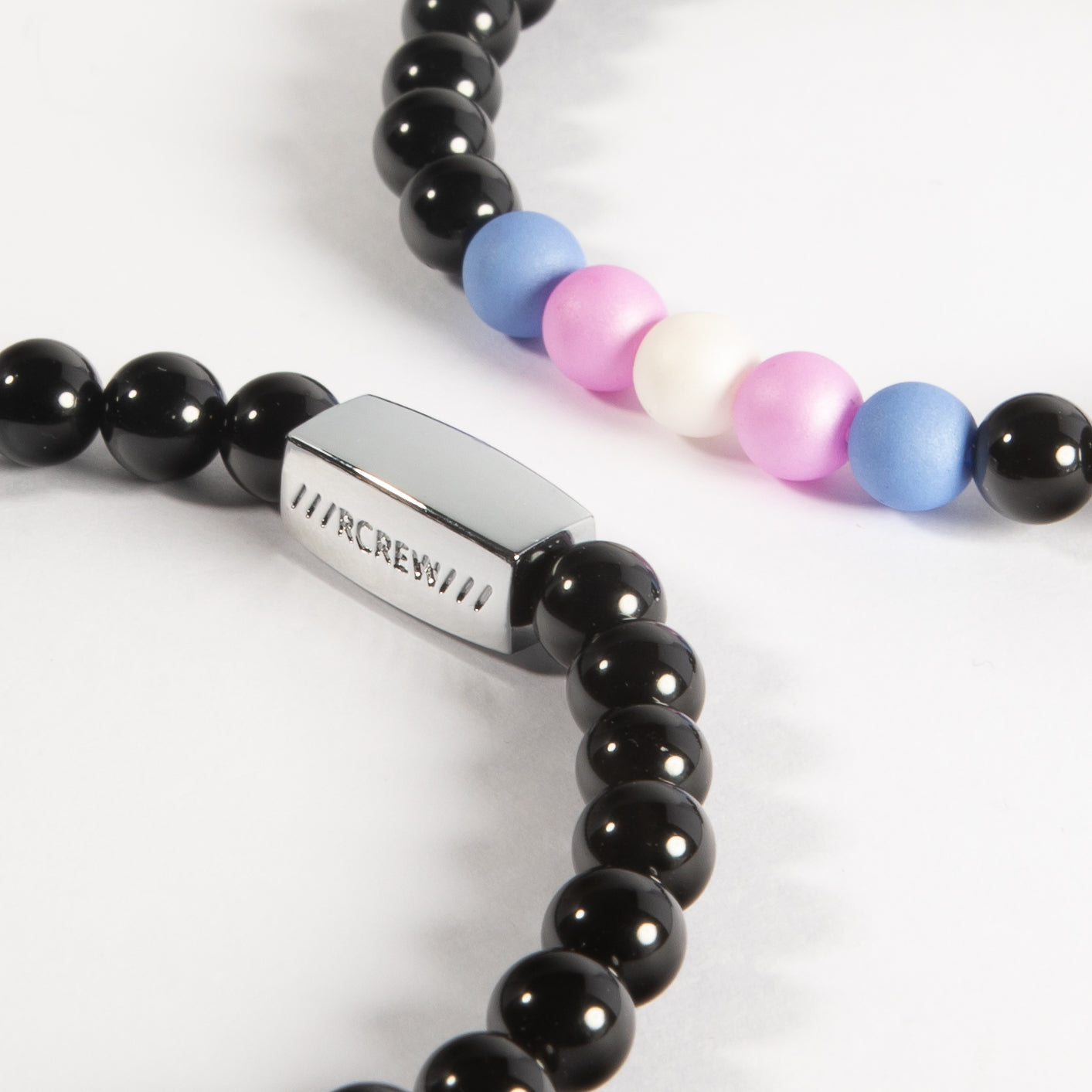
The Trans Pride bracelet, part of the RCREW identity collection. Shop the full range →
For over fifty years, Pride has been visible, defiant, and present. That is no small thing.
What Pride represents is bigger than any single march. The visibility it creates, the sense of community it produces, the reminder that LGBTQ+ people are here and have always been here: those things do not belong to June. They belong to the people who carry them.
The flags will come down. The branding will revert. The public buildings will return to their usual colours. And the community will continue, in ordinary spaces, on ordinary days, finding each other in the ways it always has. Quietly, persistently, and with considerably more ingenuity than the world has ever given it credit for.
That is what Pride was really built to celebrate. Not a month. A way of being in the world.
Shop the collection
 Bold Progress Pride Bracelet from £14.00
  Bold Non-Binary Bracelet from £14.00
 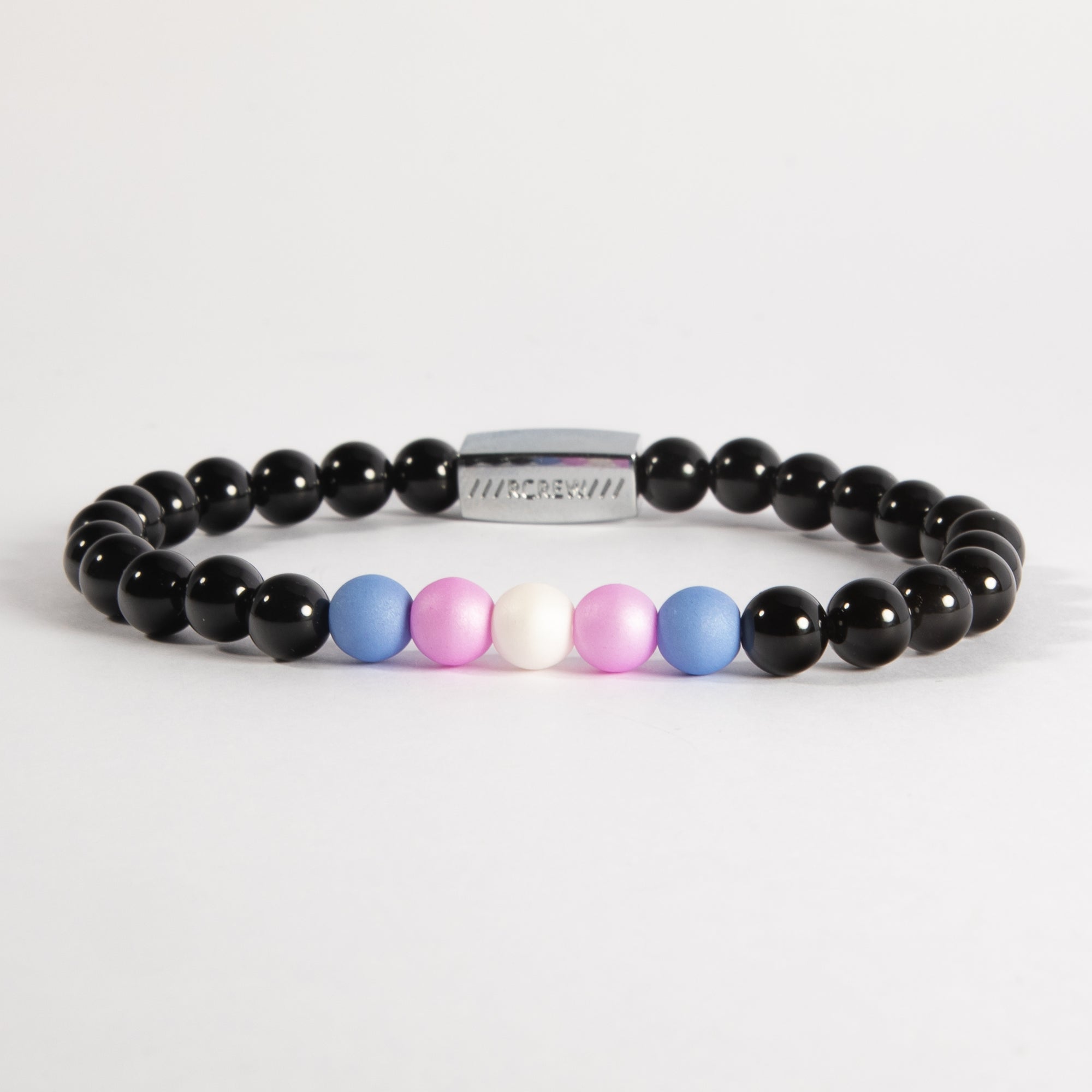 Bold Trans Bracelet from £14.00
  Bold Bisexual Bracelet from £14.00
Every RCREW bracelet is handmade by a registered charity providing supported employment for people with disabilities. Watford Workshop, Hertfordshire, UK.
Shop the full collection → rcrew.com
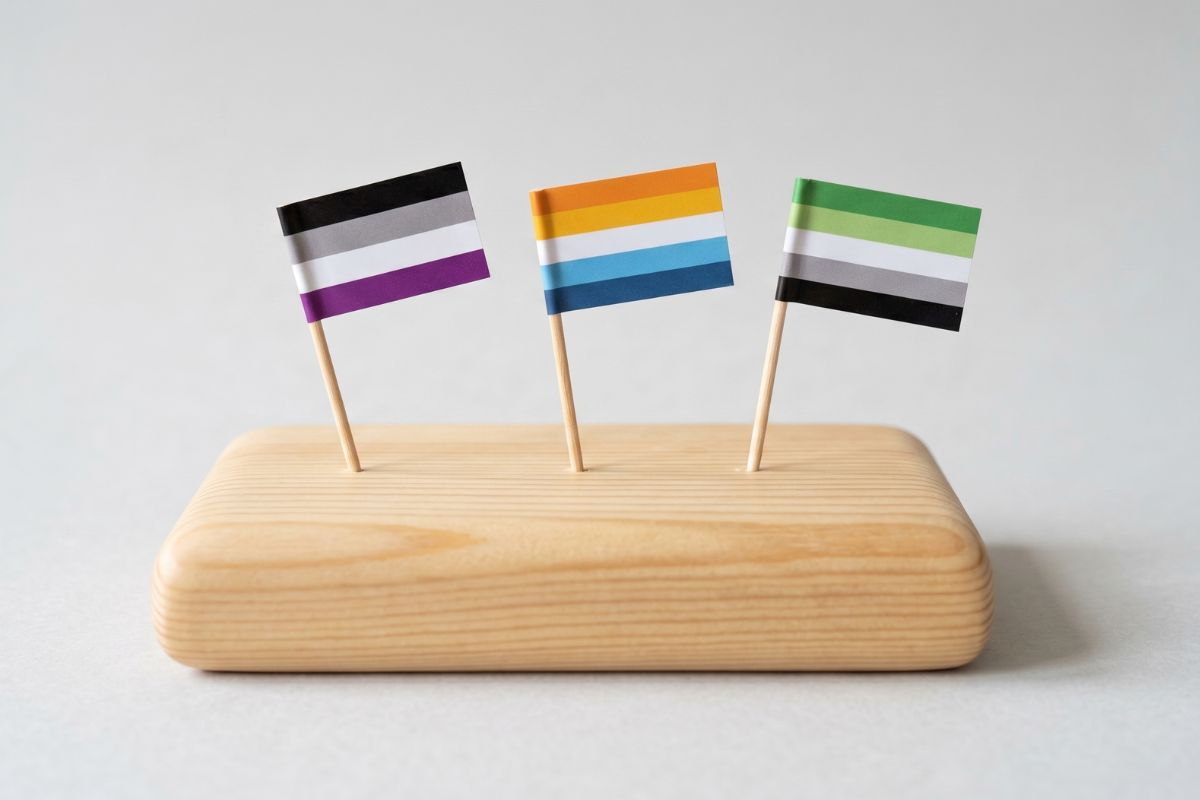
Pride Month is built around love and sexual liberation. For asexual and aromantic people, that framing can make June feel like the loneliest month of all. Here is what that experience actually looks like, and what belonging means when the party was not designed with you in mind.

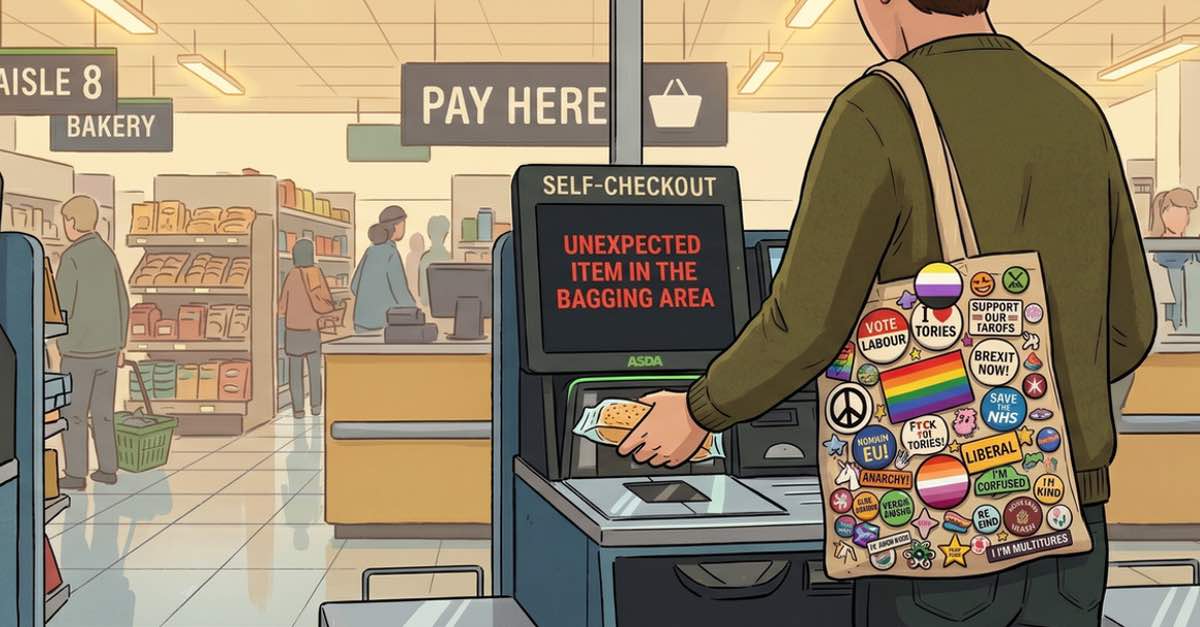
You and your people are in the same spaces every day. The same supermarkets, the same offices, the same commutes. The problem was never finding each other. It was knowing each other. And that is a different problem entirely.

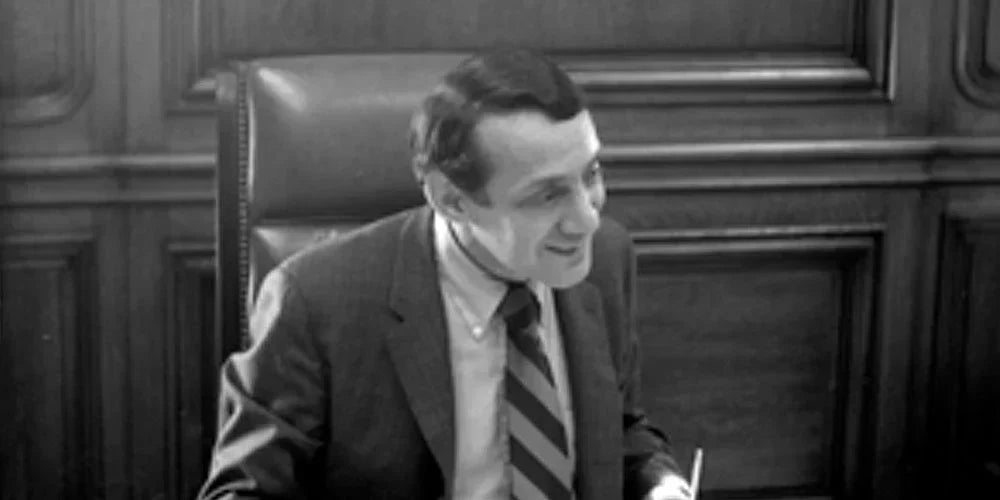
"Every gay person must come out," Harvey Milk said in 1978. He believed visibility would destroy myths and change the world.
He was right. Nearly 50 years later, coming out looks different. It's not always a speech or a grand announcement. Sometimes visibility is as quiet as wearing a bracelet.