Your Cart is Empty


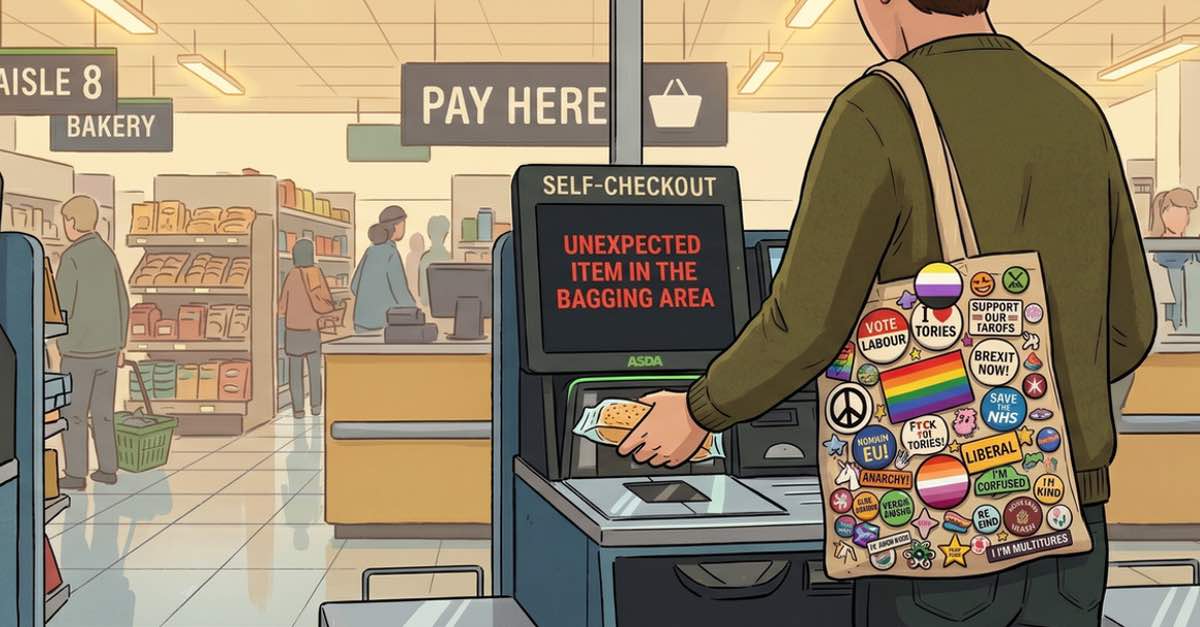
The machine protests before you've even registered what made you look up. But you did look up. And now you see them.
The person at the next machine along. Something about them. You cannot say what, exactly. A haircut, maybe. The way they're dressed. Something in the way they carry themselves that makes you look twice, then look away, then look back.
You clock them.
You have been doing this your whole life. At work, on the bus, in waiting rooms, at parties where you know almost no-one. The evidence is always ambiguous. The signals are rarely clear. There is no reliable way to know for certain, so you carry it with you.
Their machine beeps. Transaction complete. By the time you've finished bagging your shopping, they are already walking out. The moment closes before it ever opened.
The question lingers.
This is not a personal quirk. It is what happens when there is no shared language for finding each other in ordinary life. When the spaces that existed were never built for everyone. When the clocking is all you have.
The problem is not the clocking. The problem is that it will always be pure guesswork.
Most LGBTQ+ people grow up learning a version of the world that wasn't written for them.
Most people grow up watching relationships that look like the ones around them. Without effort or instruction, they learn how the world works socially: how to fit in, where they belong, what is expected of them. It is absorbed, not taught. And it fits, because the world it describes was built with them in mind.
For many LGBTQ+ people, the same world is there to absorb. They learn the script just as everyone else does. But it never quite fits. The social tools, the cues, the unwritten rules of how to connect: they work for everyone around you, and somehow not quite for you.
That gap is hard to name when you are living inside it. What it produces, over time, is a feeling of being slightly outside something. Present, but not fully part of it. Watching others belong in a way that seems effortless, and not understanding why the same effortlessness isn't available to you.
The result, for many, is isolation. Not dramatic or sudden. Quiet, and cumulative.
And then comes the moment of knowing who you are. Which should feel like the beginning of something. And it is. But it also means starting again, without a map, without a model, building from scratch what others absorbed without ever noticing it was being handed to them.
So you find your people eventually. Some of them, anyway. You build community where you can, in the spaces available, through the connections that happen to present themselves. It is possible. People do it every day.
But outside those spaces, the problem never goes away. You are still at the self-checkout. Still on the bus. Still in the meeting room, the waiting room, the party where you know almost no-one. Still clocking people, still carrying the question with you when the moment closes.
The difference now is that you know what you are looking for. And you know how rarely ordinary life gives you enough to go on.
Some people carry signals that are easier to read. A pin, a red ribbon, a ring on a particular finger. But even these are guesswork. None of it is certain. None of it was designed to be.
And that is only half the problem.
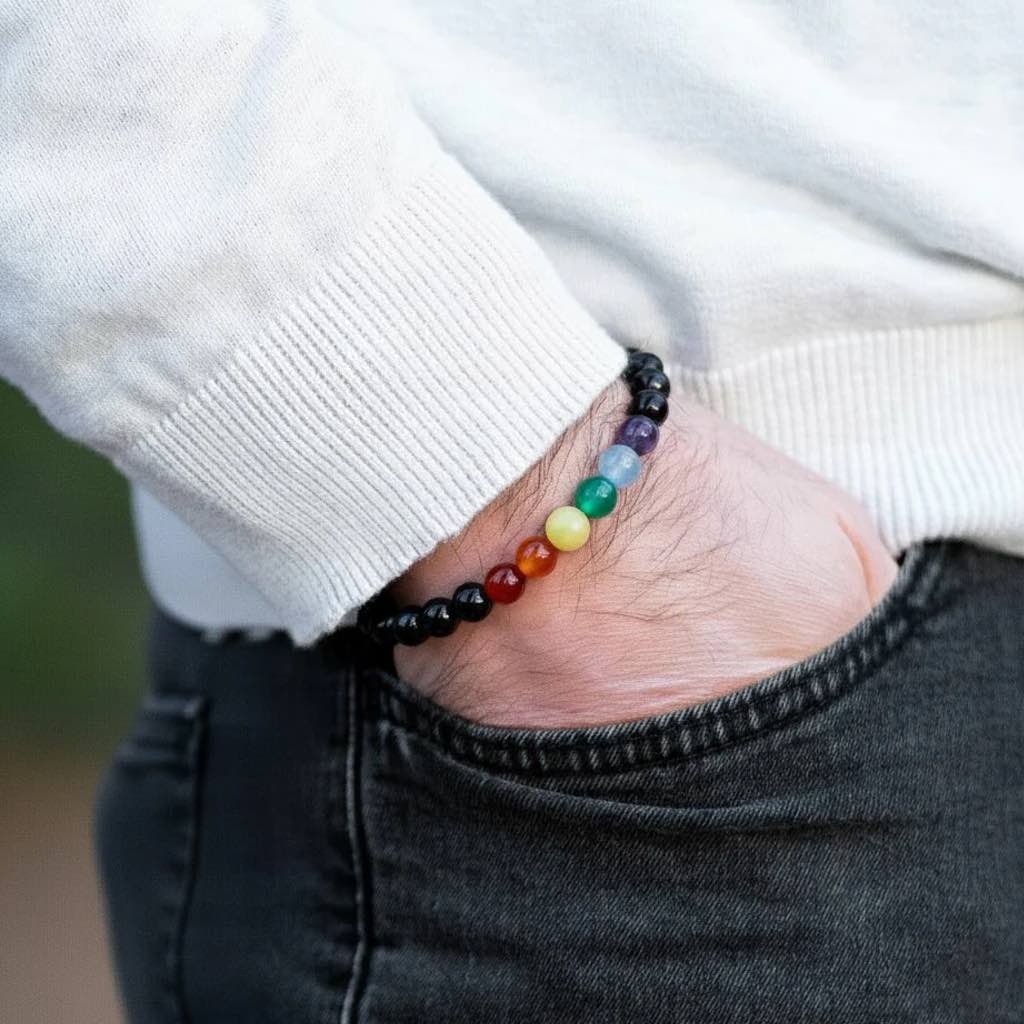
A signal that works in any room, on any day. Shop RCREW bracelets →
Say it works. Say the signal is clear enough. Say you know.
What happens next is not as simple as it sounds.
There are two reasons you might clock someone. Attraction is one. Simple recognition is the other: that person is one of us, and might become a friend, a connection, someone who understands. Both are valid. But they ask different things from you in the moment that follows.
And in that moment, most people hesitate.
Some people cross that distance effortlessly. But for most, it is more complicated. You wait for a better moment. A clearer opening. A reason that feels sufficient. And then, the moment passes.
This is not a personal failing. It is what happens when you have spent a lifetime clocking people and being unsure often enough to pause. When there is no shared starting point. Nothing that says, before a word is spoken: I see you, and I am open to being seen.
That is the gap. Not the visibility problem, which is real. The gap that remains even after visibility is resolved.
What changes it is not confidence. It is context. Two people who already share something before they speak begin differently. The first barrier is already gone.
What comes next is just two people. And for the first time, the only thing standing between them is the choice to interact.
Your people are already out there. They always have been. Visibility was always the problem. Knowing them was always the answer.
RCREW bracelets were built specifically for this moment. Not a pin worn for other reasons. Not a ribbon with a dozen possible meanings. A deliberate system: each bracelet translates an LGBTQ+ identity flag into a precise sequence of colours, worn on the wrist. To those who know the code, it is unambiguous. To everyone else, it is colourful jewellery.
Wearing one is a choice to be visible in ordinary spaces. Not loudly. Not to everyone. To the people who are looking for the same thing you are.
It does not close the distance between two people. What it does is remove the guesswork from the moment before. The clocking stops being guesswork. A shared starting point exists. The choice to interact is real in a way it wasn't before.
What happens next is up to you.
Shop the collection
 Bold Progress Pride Bracelet from £14.00
  Bold Bisexual Bracelet from £14.00
  Bold Lesbian Bracelet from £14.00
  Bold Non-Binary Bracelet from £14.00
Every RCREW bracelet is handmade by disabled workers at Watford Workshop, a supported employment initiative based in Hertfordshire, UK.
Shop the full collection → rcrew.com
Pride Month is built around love and sexual liberation. For asexual and aromantic people, that framing can make June feel like the loneliest month of all. Here is what that experience actually looks like, and what belonging means when the party was not designed with you in mind.

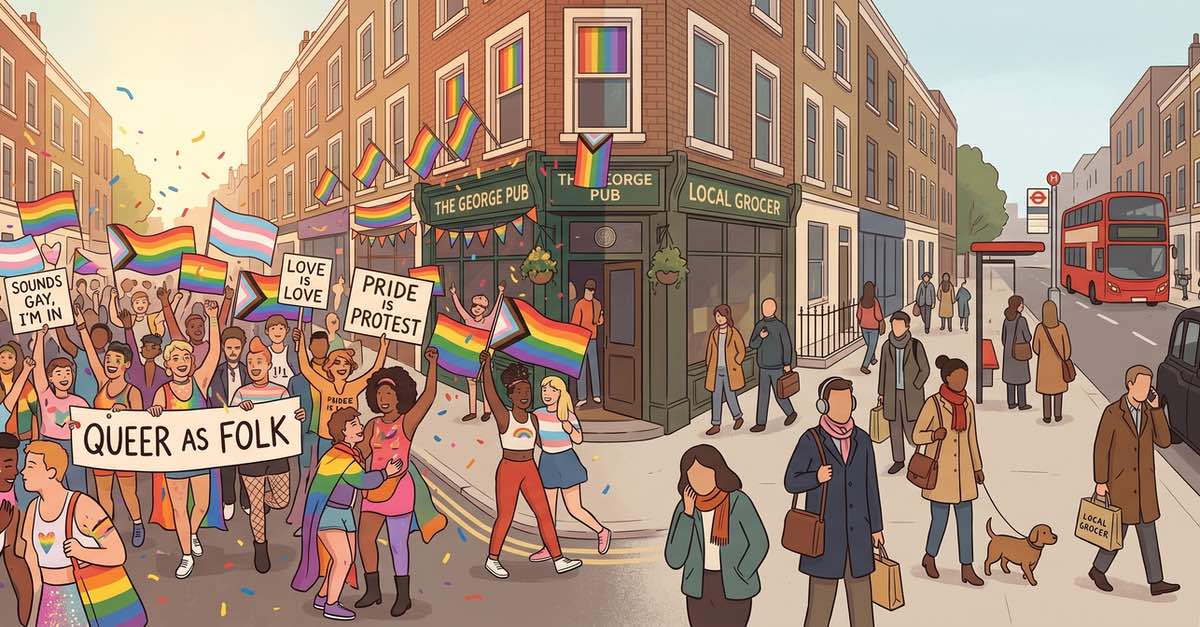
For a few hours every summer, the guesswork stops. You can look around and simply know. This is what Pride does that nothing else does. The question worth asking is what happens when it ends.

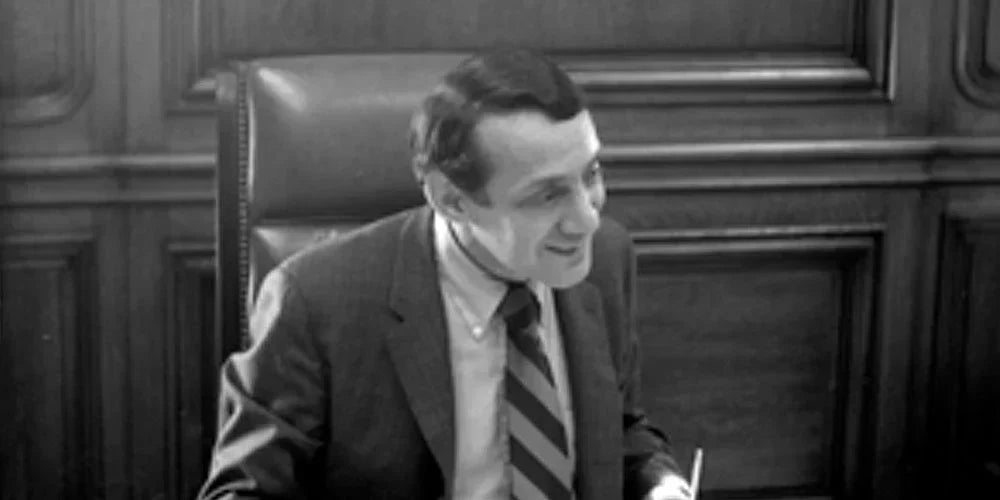
"Every gay person must come out," Harvey Milk said in 1978. He believed visibility would destroy myths and change the world.
He was right. Nearly 50 years later, coming out looks different. It's not always a speech or a grand announcement. Sometimes visibility is as quiet as wearing a bracelet.