Your Cart is Empty


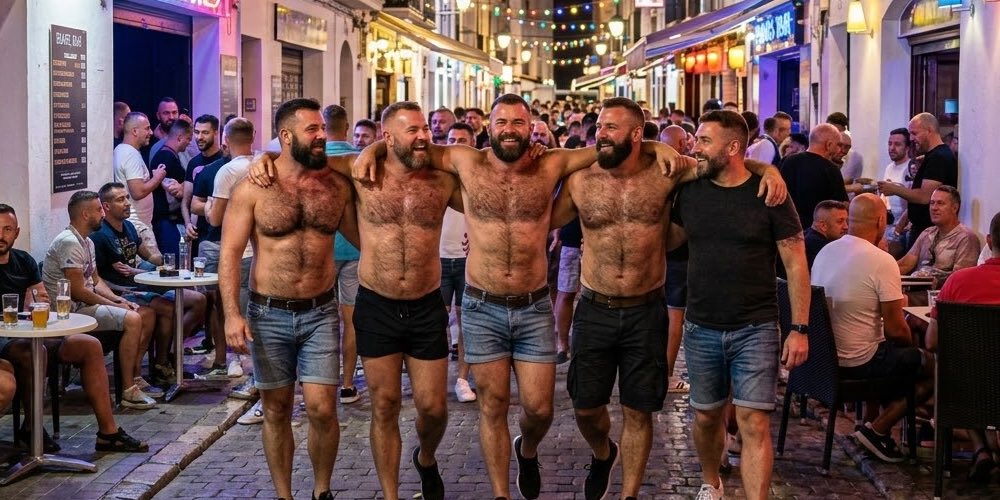
There's a particular moment that bears often describe. Walking into a bear space for the first time (a bar, a bear run, a weekend away with the community) and feeling something shift. Not the relief of being tolerated. Something more than that. The recognition that the room was built for you, not around you. That the men here were not merely accepting of how you look; they were specifically, deliberately, here because of it.
That feeling has a name. It's called the bear brotherhood. And it runs a lot deeper than appearances.
Gay bear culture is sometimes described from the outside as a subculture defined by body type: larger men, bearded, hairy, ruggedly masculine. That description is accurate as far as it goes. But it misses the point almost entirely.
The bear brotherhood is a value system. It was built on the belief that gay men shouldn't have to perform a particular version of themselves to belong somewhere. That showing up as you actually are: your body, your age, your version of masculinity, should be enough. Not tolerated. Celebrated.
That idea sounds simple. In practice, within the broader landscape of gay male culture, it was radical. It still is.
The brotherhood part of the name matters. Bears don't gather around a shared aesthetic. They gather around a shared understanding: that belonging is not something you earn by looking right, and that the men in this community have your back in a way that goes beyond a night out. Bear spaces tend to be warmer, less competitive, and more genuinely welcoming than much of mainstream gay culture. That reputation wasn't built by accident. It was built by men who knew what it felt like to be on the outside, and chose to build something different.
Like any community that has grown and diversified over decades, bear culture is still working out what inclusion really means in practice. The conversation is ongoing, and it's worth having. But the founding intention, that this is a space for everyone who wants to be here, remains the compass.
One of the distinctive things about bear culture is how intentionally it has always expressed itself. The signal travels, and bears have always found ways to make it travel.
That instinct, finding your people without announcing yourself to everyone, comes from the same place the brotherhood does: the understanding that queer connection in everyday spaces requires a language that works in every room, not only in dedicated venues.
The bear pride flag is part of that language. Seven stripes in shades of dark brown, rust, gold, tan, white, grey and black, representing bear fur colours from across the world. A deliberate statement that the community includes men of every background. Its creator, Craig Byrnes, didn't call it the Bear Pride Flag. He named it the International Bear Brotherhood Flag. Solidarity first. That one word tells you everything about what this community was built to be.
For the full history of the flag and how the brotherhood came to be, read What Is Gay Bear Pride? A Guide to the Brotherhood.
The bear community has always been precise about inclusion, which is why it developed its own vocabulary. These aren't labels imposed from outside. They're tools that the community built for itself, so that people could find where they fit and find others like them.
The short answer to who belongs here is the same now as it was when the first bear clubs formed: anyone who feels they do.
Bear events exist on every continent. But two are worth knowing in particular, not for their size, but for what they feel like when you're there.
Bear Week, Provincetown, Massachusetts has run every July since 2001. Provincetown itself is one of the oldest LGBTQ+ resort towns in the world, a place with its own deep history of queer belonging. Bear Week fills it with tens of thousands of bears, cubs, otters and admirers for seven days of community that goes well beyond parties. For many bears, it's where they first understood what the brotherhood actually meant at scale. The scale is part of it: arriving in a town where the community is simply everywhere, unhidden and uncomplicated.
Sitges Bear Week, Spain takes place every September and draws over 8,000 people to a small coastal town south of Barcelona that has its own dedicated Bear Village for the week. Sitges has a particular warmth to it. The combination of Mediterranean ease, a tight-knit physical space, and a community that has been coming back year after year creates something that feels less like an event and more like a reunion. If Provincetown is where you discover the scale of the brotherhood, Sitges is where you feel its depth.
Both are worth putting in the diary. Both will remind you why the community was worth building in the first place.

The bear brotherhood has always been inventive about how it makes itself visible. The flag. The vocabulary. The paw print, worn as a tattoo, that other bears clock in any room without a word being exchanged. A community that built its own language from scratch has always understood that identity needs to travel: beyond the bar, beyond the event, into the ordinary world.
What it didn't have was an everyday piece of jewellery made specifically for it. Something beautiful enough to wear every day, in every room, that carried the signal without shouting it.
The RCREW Bear Pride Bracelet carries the colours of the Brotherhood flag in semi-precious stone. To most people, it reads as a piece of quality jewellery. To a bear who recognises those warm earth tones on your wrist, it says something else entirely.

It's a nod across a room. A quiet 'me too' from someone who gets it. A conversation that wouldn't have happened otherwise. Wear it to work, on the commute, at a coffee shop, at a bear run. The brotherhood is wherever you are.

Semi-Precious Bear Pride Bracelet
£35.00
Shop the Bear Pride Bracelet →
Made by hand at Watford Workshop in Hertfordshire, a registered charity providing supported employment for people with disabilities.
The brotherhood is yours. Wear it.
Want to go deeper? Read What Is Gay Bear Pride? A Guide to the Brotherhood for the full history of how the community formed, the flag's origins, and the global events calendar.

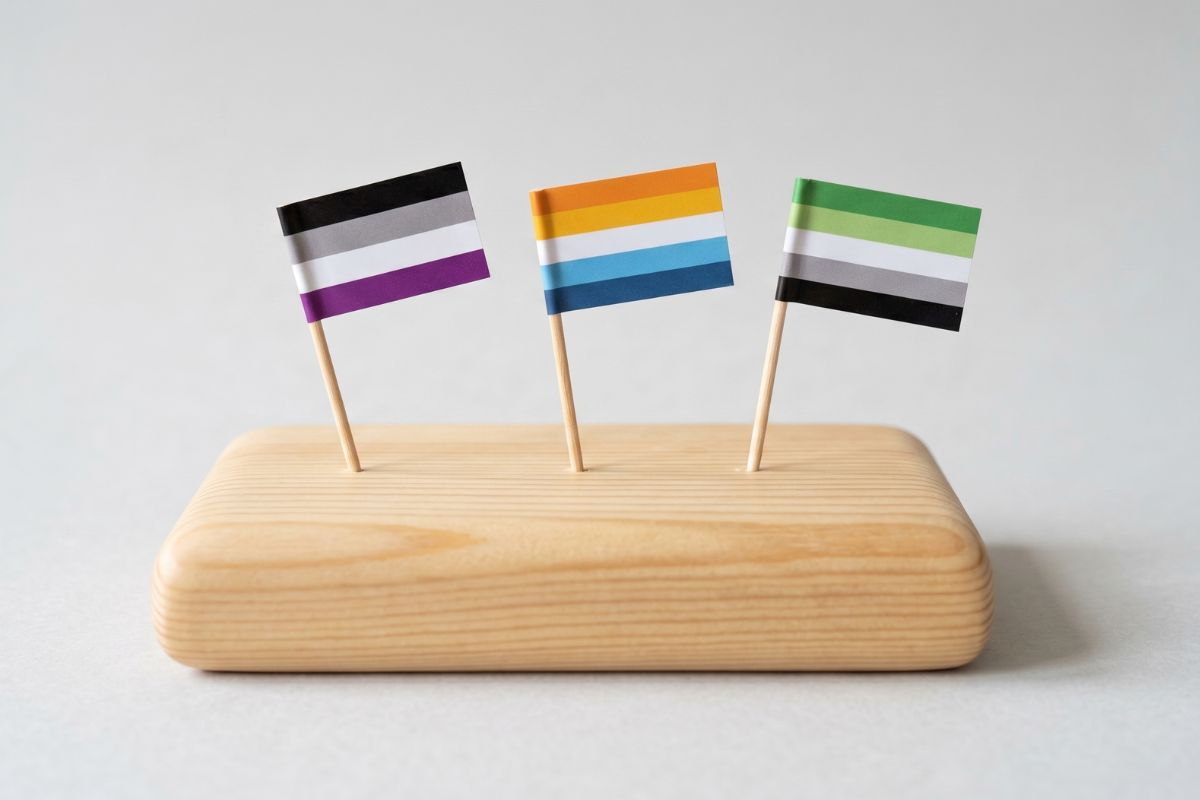
Pride Month is built around love and sexual liberation. For asexual and aromantic people, that framing can make June feel like the loneliest month of all. Here is what that experience actually looks like, and what belonging means when the party was not designed with you in mind.

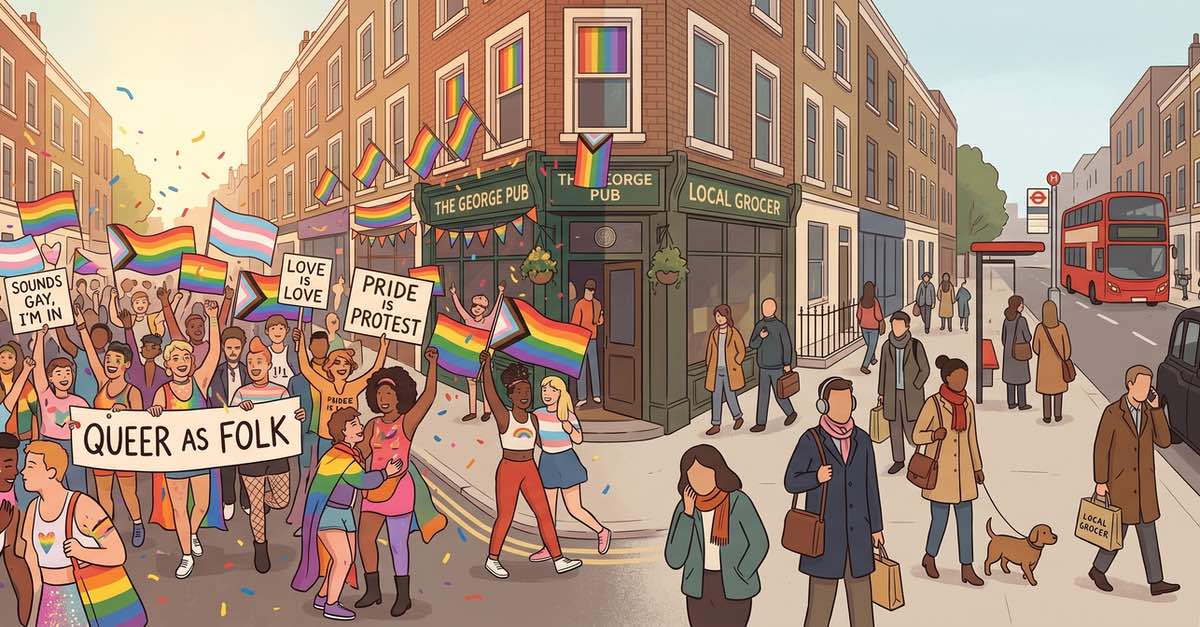
For a few hours every summer, the guesswork stops. You can look around and simply know. This is what Pride does that nothing else does. The question worth asking is what happens when it ends.

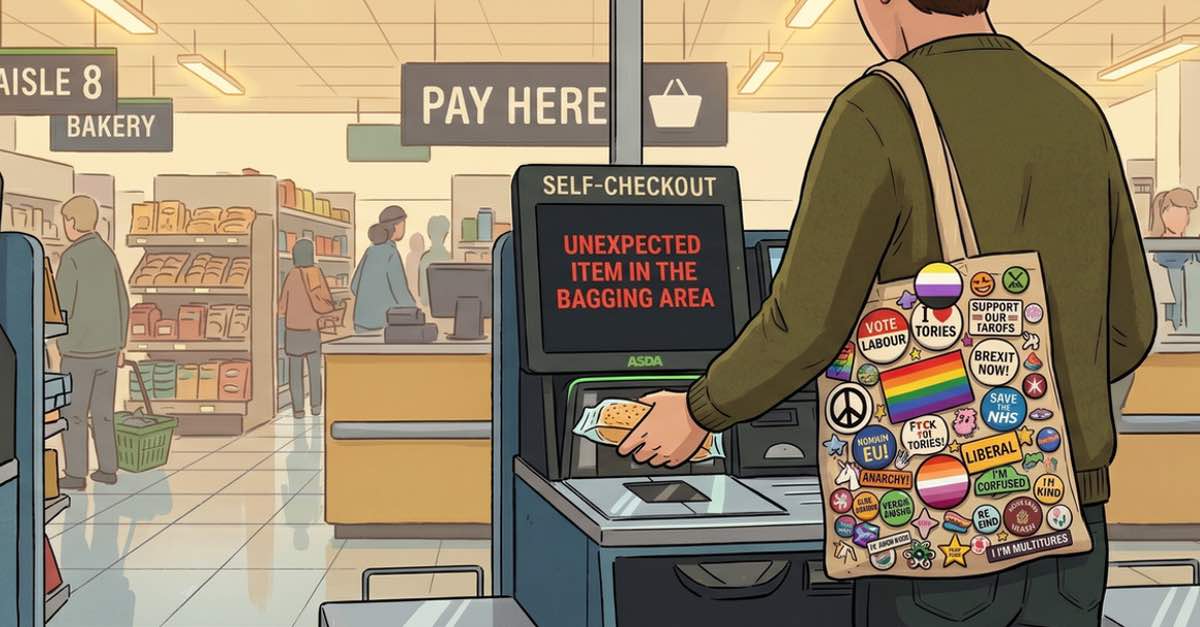
You and your people are in the same spaces every day. The same supermarkets, the same offices, the same commutes. The problem was never finding each other. It was knowing each other. And that is a different problem entirely.