Your Cart is Empty


A US lawmaker just introduced bills to overturn marriage equality and anti-discrimination protections for LGBTQ+ people.
"That's America's problem," you might think. "We have marriage equality in the UK. We have the Equality Act. We're protected."
But whilst you were dismissing US news as irrelevant, Reform UK, currently polling to become the largest party in the UK Parliament, banned Pride flags in every council it controls.
All ten of them.
And the party's leader, Nigel Farage, opposed same-sex marriage from the start. And he's never taken it back.
If you think UK marriage equality is safe, you're not paying attention.
On 9th January 2025, US Congressman Mike Johnson introduced bills to overturn marriage equality and roll back anti-discrimination protections. The bills would allow states to refuse to recognise same-sex marriages and permit discrimination based on "religious freedom."
This isn't fringe politics. Mike Johnson is a sitting congressman with significant backing. And in a country where the Supreme Court already overturned Roe vs Wade, nothing feels permanent.
Here's why this matters to you in the UK: Because the exact same playbook is being used here.
Reform UK controls ten councils across England. Their first major policy decision? Ban Pride flags on all council buildings.
From their official guidance: "No other flags will be permitted to fly from council buildings. Only the Union Flag and the St George's flag."
This isn't about "flag neutrality." It's about erasing LGBTQ+ visibility from public spaces.
Reform UK isn't some fringe movement. Recent polling shows them winning 271 seats in the next general election, enough to form a government.
Nigel Farage has been consistent in his opposition to LGBTQ+ rights.
On same-sex marriage in 2013: "I didn't support equal marriage. I thought it was wrong."
On relationships in 2014: "The most stable relationships tend to be between men and women."
In 2025? He's never walked these statements back. Never apologised. Never "evolved" his position.
And now he's leading a party that could win the next election.
YouGov polling reveals what Reform supporters actually believe: 69% want to ban transgender people from legally changing their gender. 35% oppose same-sex marriage.
This isn't a small minority. This is the core voter base of a party polling high enough to form a government.
Whether it's the US or the UK, the pattern is identical.
First, target trans people. Frame it as "protecting children." Ban trans healthcare. Remove gender recognition rights.
Second, remove LGBTQ+ visibility. Ban Pride flags in public spaces (Reform UK is doing this now). Roll back corporate DEI programmes (happening globally).
Third, attack marriage and anti-discrimination protections. Frame discrimination as "religious freedom." Overturn marriage equality.
We're currently at the second stage in the UK. The US is showing us what the third stage looks like.
Marriage equality in the UK enjoys broad support. 64% of Britons support it. Only 21% oppose it overall.
Yet 35% of Reform voters oppose it. If Reform forms a government, those are the voters politicians will be appeasing.
Remember: in 2016, polls showed the Remain side was ahead. There was public support. And yet we left the EU anyway.
Public support doesn't protect rights when populist movements gain power. Brexit proved that. Trump's election proved that. The overturning of Roe vs Wade proved that.
We've also seen this closer to home. Section 28, the law that banned "promotion of homosexuality" in schools, was UK law from 1988 to 2003. It was repealed less than 25 years ago.
Marriage equality is 13 years old in the UK. Section 28 lasted 15 years.
Nothing is permanent.
The past year has shown us that institutional support for LGBTQ+ people is conditional.
Disney eliminated its diversity team. Amazon shut down DEI initiatives. Meta scaled back LGBTQ+ representation efforts. Major corporations withdrew Pride sponsorships worldwide. Rainbow flags came down from office buildings.
These were leaders in LGBTQ+ inclusion. And they abandoned us the moment it became financially or politically inconvenient.
If corporations with their diversity officers and Pride campaigns can retreat this quickly, what makes legislative protections secure?
Laws can be changed. The Equality Act can be amended. Marriage equality can be overturned.
What Actually Protects Us
History shows that LGBTQ+ rights aren't protected by laws alone.
Visibility matters. When LGBTQ+ people are visible at work, in public, in communities, it's harder to pass discriminatory laws. This is why Pride flag bans matter. They're strategic erasure.
Community endures. Before marriage equality, before the Equality Act, before any legal protections, we had each other. That's what kept us safe. When official channels fail, community is what survives.
Political engagement determines outcomes. Rights are won and lost at the ballot box. Local elections matter because that's where Reform is winning. Pay attention. Vote.
Stay informed. Follow UK LGBTQ+ organisations like Stonewall UK and LGBT Foundation. Pay attention to council elections. Watch what politicians actually do, not just what they say during Pride Month.
Stay visible. Don't let backlash push you back into the closet. Be visible at work, in your community, in public spaces when it's safe. Your visibility makes it harder for them to legislate against us.
Build community. Connect with LGBTQ+ people in your area. Support LGBTQ+ businesses and organisations. Create networks that exist outside of apps and institutions.
Vote. In every election. Based on candidates' actual records on LGBTQ+ rights. Don't assume your rights are safe enough to stay home.
When I started RCREW, it was about making real-world LGBTQ+ connection easier. Helping people find each other in everyday life, not just online.
Watching the past year has clarified something: this isn't just about connection. It's about our place in society.
When institutions fail us, we need each other. When official support disappears, we need community. When they try to make us invisible, we need to be seen.
That bracelet on your wrist isn't just jewellery. It's a declaration: I'm here. I see you, you see me. We're not going anywhere.
Reform UK can ban Pride flags from council buildings. They can't ban the bracelet on your wrist. They can't legislate away the recognition between strangers. They can't erase the community we build, one connection at a time.
Personal visibility is the resistance they can't control.
The US is showing us what's coming. Reform UK is showing us it's already here.
You can dismiss this as alarmism. You can assume your rights are secure because they exist today.
Or you can recognise the pattern.
We've been here before. Section 28 happened. The AIDS crisis happened. Decades of criminalisation happened.
And we survived because we refused to disappear. Because we built community that outlasted hostile governments. Because we stayed visible when they wanted us hidden.
Marriage equality in the UK is not guaranteed. The Equality Act is not untouchable.
But they can't ban us. They can't legislate us out of existence. They can't erase us when we refuse to hide.
When Pride flags come down, we wear them on our wrists.
When laws threaten to change, we build community that survives regardless.
When they want us invisible, we refuse.
That's not optimism. That's strategy. That's survival.
Stay informed. Stay visible. Stay connected.
RCREW creates pride bracelets for real-world LGBTQ+ connection. When institutions fail us, we still have our community. Browse the collection at rcrew.com

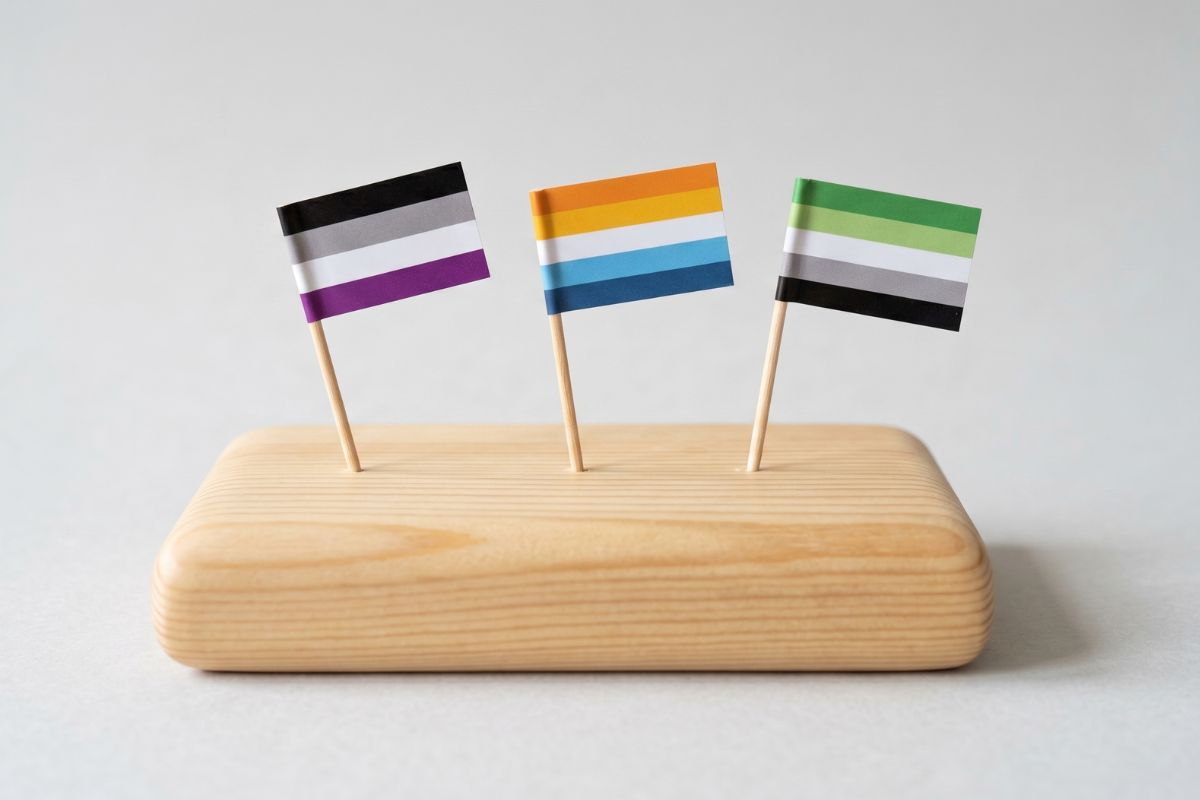
Pride Month is built around love and sexual liberation. For asexual and aromantic people, that framing can make June feel like the loneliest month of all. Here is what that experience actually looks like, and what belonging means when the party was not designed with you in mind.

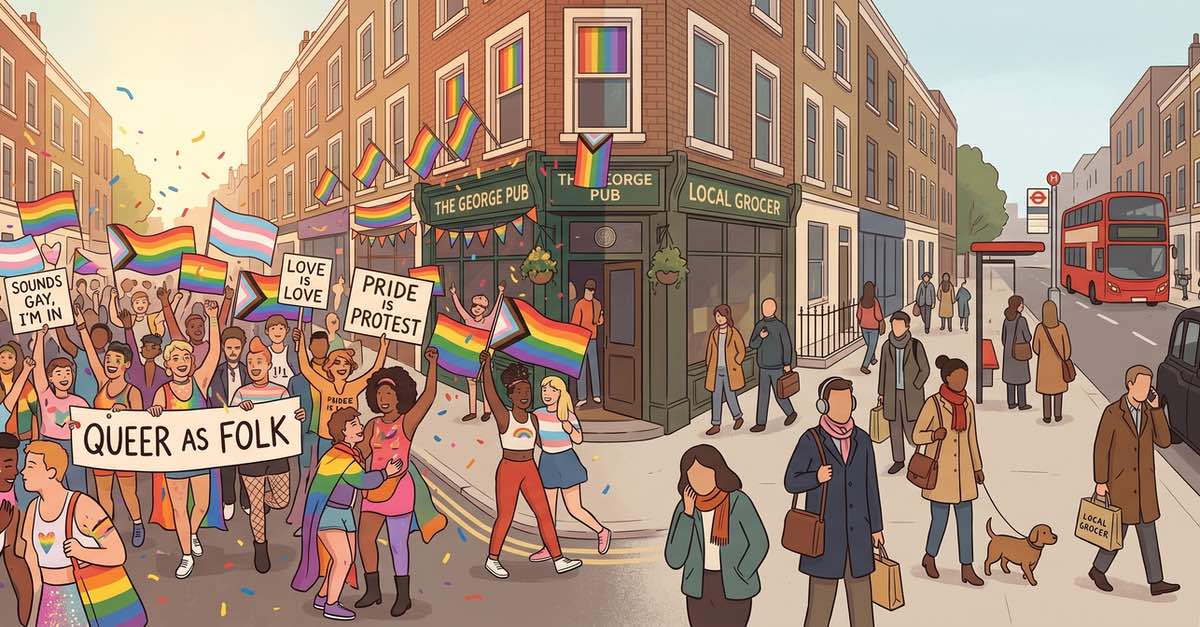
For a few hours every summer, the guesswork stops. You can look around and simply know. This is what Pride does that nothing else does. The question worth asking is what happens when it ends.

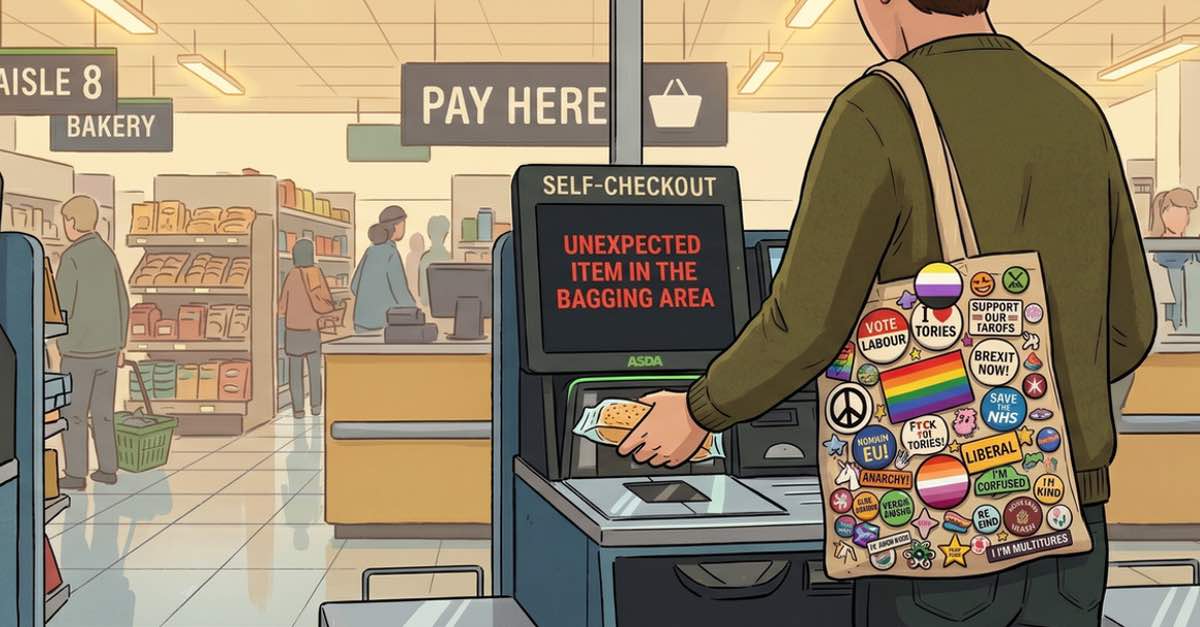
You and your people are in the same spaces every day. The same supermarkets, the same offices, the same commutes. The problem was never finding each other. It was knowing each other. And that is a different problem entirely.