Your Cart is Empty


No, it's not an attraction to pots and pans – despite the memes and TikToks you may have seen.
While the identity may be a new-ish member of the LGBTQ+ family, Pansexuality has become more widely recognised in recent years with Miley Cyrus, Demi Lovato, Courtney Act and Bob the Drag Queen coming out as pan. While there is some confusion as to what Pansexuality is (even within the queer community), we'll give you a quick breakdown of what it does and does not mean:
What does pansexual mean?
In a nutshell, Pansexuality is a romantic, emotional, and sexual attraction to a person, regardless of whether the person is a man, woman or non-binary person. Some may even describe it as an attraction to all genders. Still, for the most part, a pansexual person's interest comes down to the individual rather than their gender identity.
A common misconception of Pansexuality is that an attraction to all genders may imply that people are overtly sexual and promiscuous. However, it's important to remember that an attraction to multiple genders does not necessarily mean a person has a high libido. Likewise, being pansexual does not mean being 'greedy,' but their interest in romantic and sexual partners goes beyond gender. Some people have sometimes referred to pansexuality as a ‘personality attraction.’ Again, this is also a misconception as a pansexual person can still be attracted to someone’s physical features.
What is the difference between pansexual and bisexual?
As mentioned in an earlier blog article about bisexuality, Pansexuality and bisexuality are two identities that are often confused for one another. While both bisexuality and Pansexuality do have similar traits, as they both describe an attraction to multiple genders, the main distinction is that bisexuality is an attraction to two or more specific genders (not necessarily all).
Sometimes, these two orientations are used interchangeably. For example, some people may identify as bisexual first and then learn that they are pansexual. If you would like to read more about bisexuality, you can visit our blog post on it here.
What do the pansexual flag colours mean?
The pansexual flag features three colours; magenta, yellow and cyan. The flag's design consists of three horizontal bars, like the bisexual flag. The top colour, magenta, represents an attraction to women, the middle; the yellow colour, an attraction to non-binary people; and the cyan, attraction to men. The flag was first featured on Tumblr in 2010 and was created as a way for the pan community to distinguish itself from the bisexual community. The colours and flag have since risen in popularity, as the group and its recognition within the LGBTQ+ community continues to grow.
To shop our pansexual signalling bracelets or browse through our other LGBTQAI collections, you can visit our store here. We're still adding to the collection, so if you don't see your specific identity yet, give us a follow-on our socials to be the first to know when a new group drops!

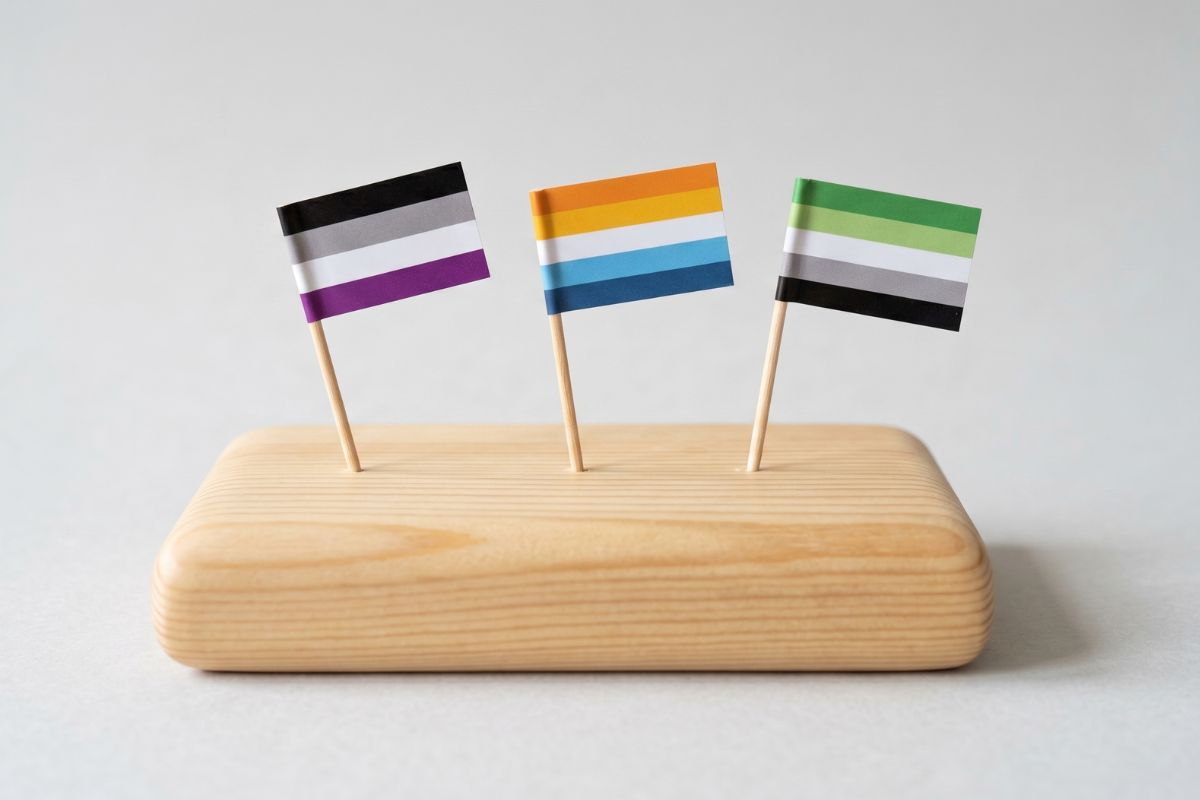
Pride Month is built around love and sexual liberation. For asexual and aromantic people, that framing can make June feel like the loneliest month of all. Here is what that experience actually looks like, and what belonging means when the party was not designed with you in mind.

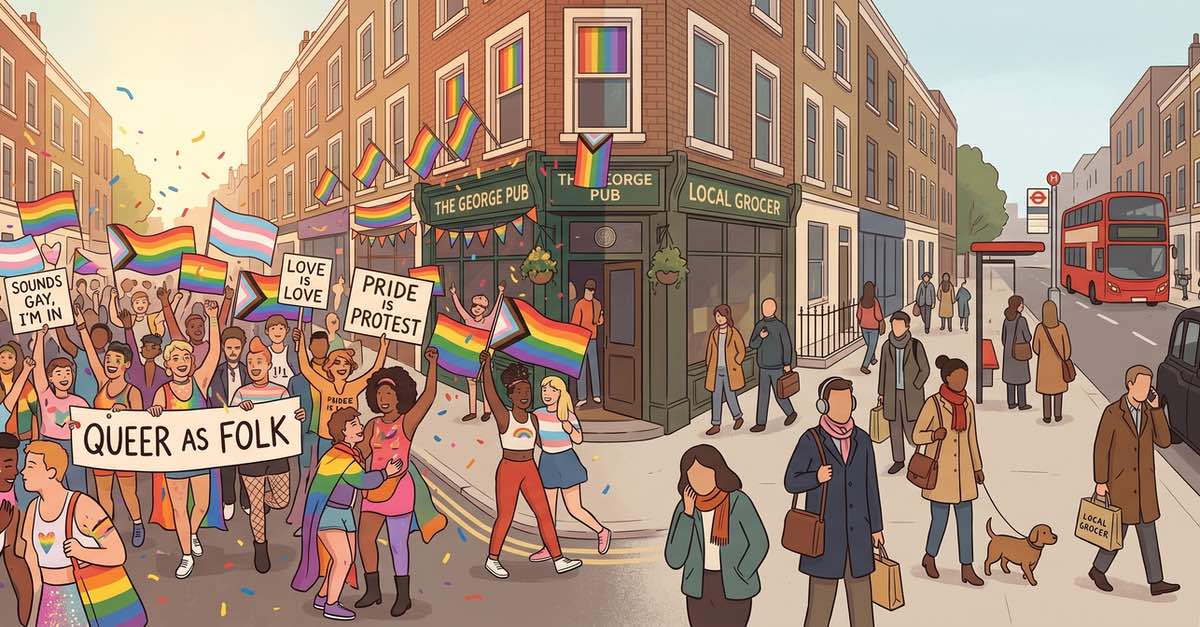
For a few hours every summer, the guesswork stops. You can look around and simply know. This is what Pride does that nothing else does. The question worth asking is what happens when it ends.

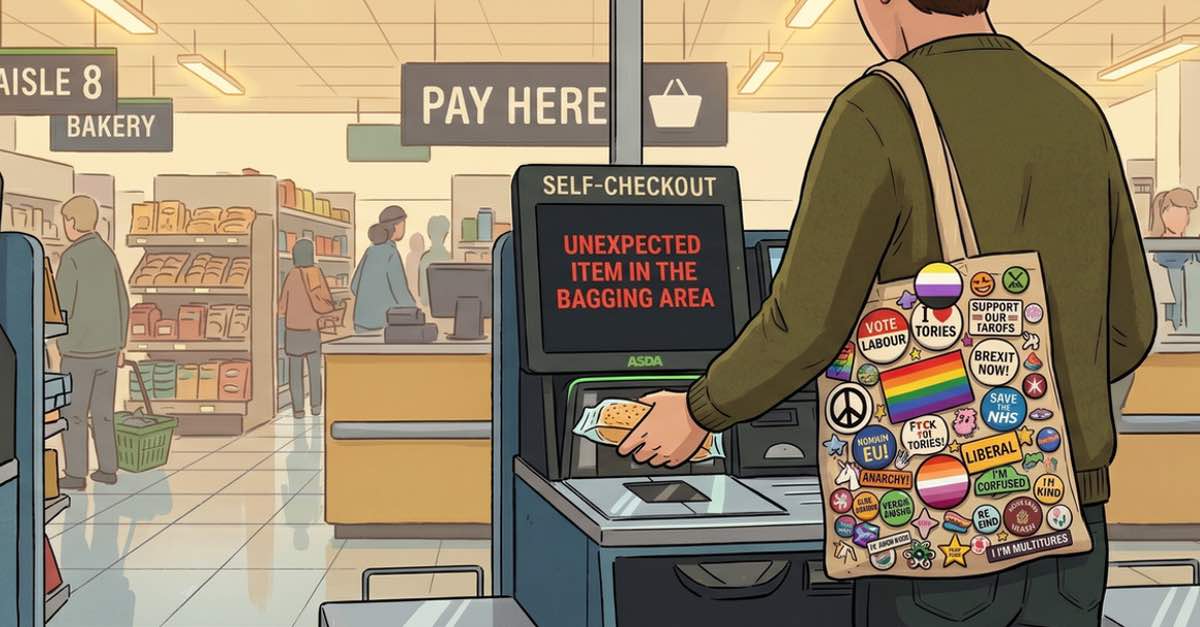
You and your people are in the same spaces every day. The same supermarkets, the same offices, the same commutes. The problem was never finding each other. It was knowing each other. And that is a different problem entirely.