Your Cart is Empty


On 17 May 1990, the World Health Organisation removed homosexuality from its International Classification of Diseases. It is often reported as a milestone. It was. But it is worth remembering what came before it.
The decision did not arrive from nowhere. It was the result of decades of sustained pressure from activists, researchers, and community organisers who refused to accept that who they were constituted an illness. They lobbied, they published, they testified, they showed up. The institution eventually moved because the people demanding it refused to stop. The date we mark every year is not the day the world changed its mind. It is the day it finally admitted what the community had known all along.
That is where IDAHOBIT begins. Not with an institution. With the people who changed one.
In the years since 1990, the evidence that change is possible has continued to accumulate.
IDAHOBIT is now commemorated in over 130 countries, including many where LGBTQ+ rights are still criminalised. Taiwan passed marriage equality on this exact date in 2019. The acronym itself has kept growing: transphobia added in 2011, biphobia in 2015, each addition a formal recognition of a community that had been fighting for its name. Every letter added to that acronym represents years of people insisting they deserved to be counted.
The progress is real. It was earned.
This day deserves more than celebration alone.
The UK now sits at 22nd on the ILGA-Europe Rainbow Index for the second year in a row, the second worst ranking for LGBTQ+ laws in western Europe and Scandinavia, with only Italy ranked lower. In 2015, the UK held first place. Holding position is not the same as standing still: the UK's overall score fell again in 2026, just not by enough to drop further down the table. The drop was driven significantly by the Supreme Court ruling that defined a woman strictly by biological sex, a decision ILGA-Europe described as part of a coordinated global backlash aimed at erasing LGBTQ+ rights.
Across the Atlantic, hundreds of bills targeting LGBTQ+ rights have been introduced across the United States, with dozens passing into law. In Hungary, Pride was banned outright in 2025. Orbán's defeat in the April 2026 election offers a cautious opening, with the incoming government facing immediate pressure from the EU Court of Justice to repeal discriminatory legislation, but meaningful change for LGBTQ+ Hungarians remains to be seen.
Progress, it turns out, is not a one-way street. Rights that took decades to win can be legislated away in a single ruling. The community has always known this. It is why the work never fully stops.
What is also true is that the response has been organised, determined and visible.
More than 100,000 people attended London Trans+ Pride in 2025, one of the largest turnouts on record. Legal challenges to the Supreme Court ruling have been mounted across multiple fronts. Community-led advocacy groups have refused to be legislated into silence. ERG networks inside workplaces have continued to hold space for LGBTQ+ colleagues when the external climate made that harder, not easier.
This is the pattern that IDAHOBIT has always reflected. The WHO decision in 1990 was not the beginning of the story: it was a chapter in one that started much earlier and continues today. When institutions move backwards, communities do not dissolve. They organise. They have always organised. The power of communities is not a consolation prize for when politics fails. It is the mechanism through which every gain was made in the first place.
Resistance does not always look like a march.
It looks like showing up. Choosing to be visible when the world is sending signals, some quiet, some very loud, that smaller would be safer. It looks like wearing your identity into rooms that were not built for you, on ordinary days when nobody is watching, because your identity does not pause when the political climate gets uncomfortable.
RCREW exists in that space. Not as activism. Not as a statement. As a quiet, daily signal that says: I am here, I am findable, and I have not gone anywhere. Each RCREW bracelet carries the colours of a specific pride flag, readable to those who know, unremarkable to those who do not. Chosen visibility, worn every day, in every room.
IDAHOBIT began with people who refused to accept that who they loved was wrong. Thirty-six years on, that refusal takes many forms. Some are loud and necessary. Some are quieter: a daily choice to be seen, to be findable. It is how community forms. It is how, quietly and collectively, things change.
Every RCREWbracelet is handmade by disabled workers at Watford Workshop in Hertfordshire.

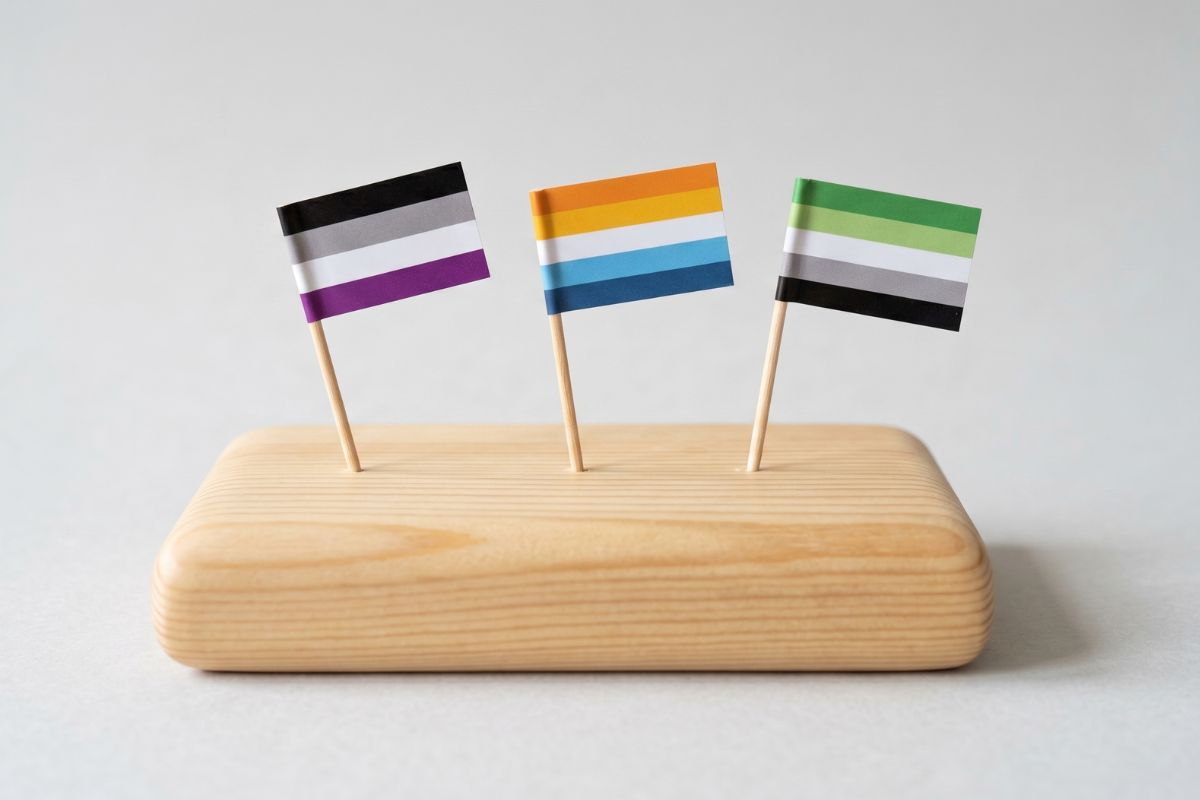
Pride Month is built around love and sexual liberation. For asexual and aromantic people, that framing can make June feel like the loneliest month of all. Here is what that experience actually looks like, and what belonging means when the party was not designed with you in mind.

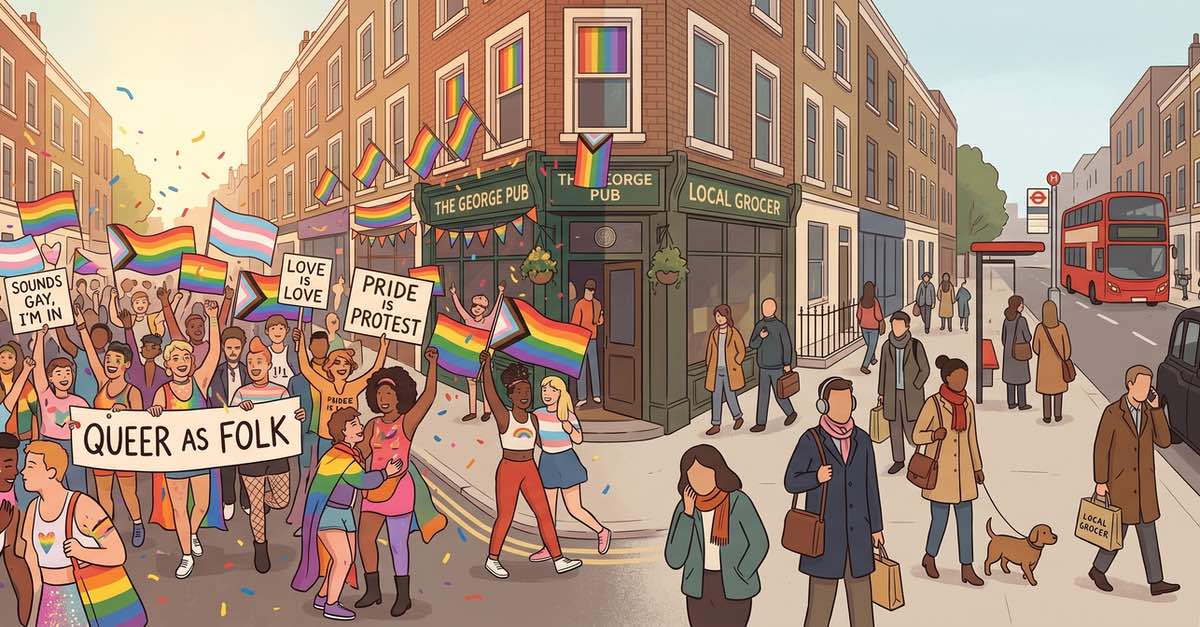
For a few hours every summer, the guesswork stops. You can look around and simply know. This is what Pride does that nothing else does. The question worth asking is what happens when it ends.

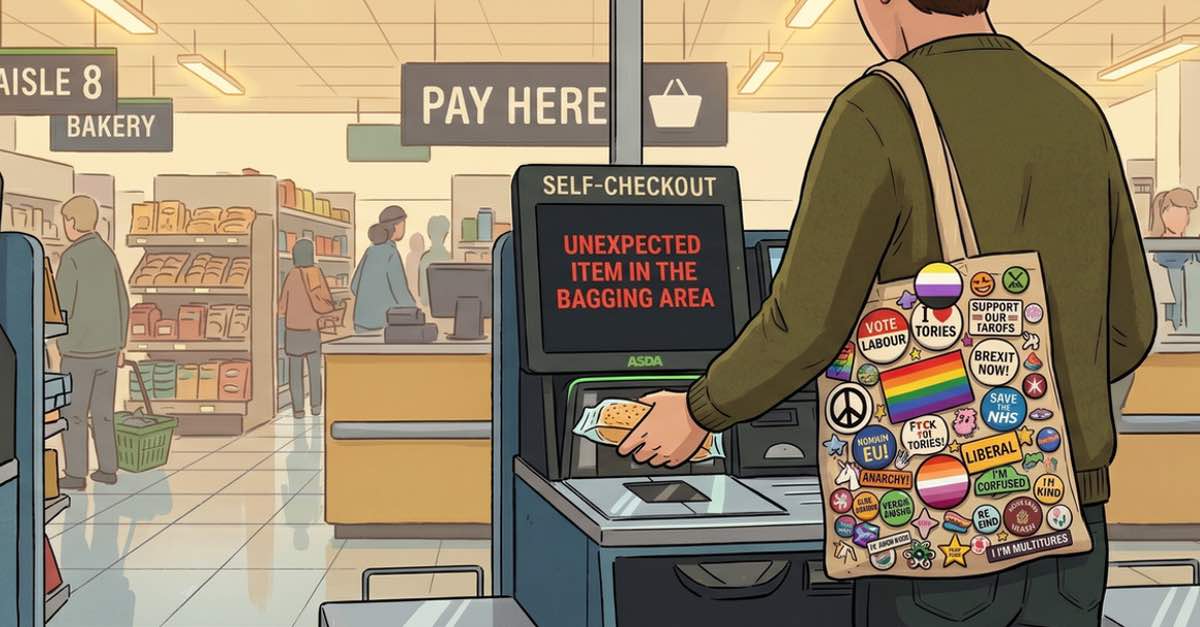
You and your people are in the same spaces every day. The same supermarkets, the same offices, the same commutes. The problem was never finding each other. It was knowing each other. And that is a different problem entirely.