Your Cart is Empty


Look around any public space today. How many of us can you spot?
For decades, that question held life-or-death stakes. In the 1980s and 90s, when governments ignored a plague killing our community, when hospitals refused to touch us, when families abandoned their own—visibility became survival.
Those who lived through the AIDS crisis understood something we must never forget: when the world turns its back, we turn to each other.
December 1st is World AIDS Day. This is not a moment for polite remembrance. It's a reckoning with the fierce, defiant love that kept our community alive when no one else would.
When Silence Was a Death Sentence
The numbers tell only part of the story. By the mid-1990s, AIDS had killed tens of thousands across the UK—disproportionately gay and bisexual men, trans people, and communities of colour. But behind each statistic was a person who died alone, a funeral their family refused to attend, a name erased from obituaries.
The world's silence was intentional. It was weaponised.
So our community built what the world refused to provide:
We learnt two truths that still define us:
Visibility is protection. Silence allowed the epidemic to flourish. Speaking up—screaming, if necessary—became a moral imperative for funding, research, and basic human dignity.
Mutual aid is survival. No government cavalry was coming. We built our own networks of care, proving that our collective strength is the most powerful resource we possess.
The Red Ribbon: The First Signal
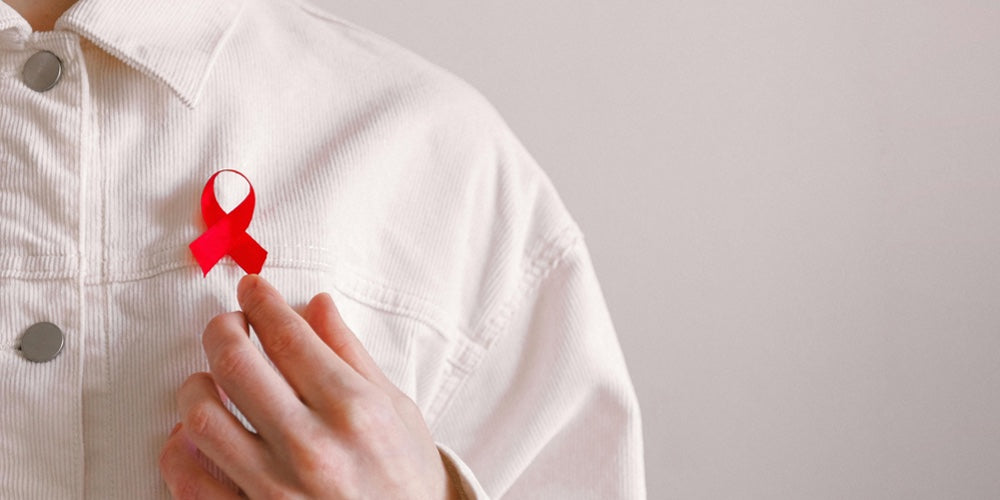
In 1991, a group of artists created a simple symbol: a red ribbon folded into a loop. No words. No explanation needed.
It said: I remember. I fight. I'm here.
That ribbon became the first modern queer signal—a visible declaration of solidarity that transcended language, geography, and fear. Wearing it meant you refused to let the world forget. It meant you saw others and wanted to be seen.
It was a lifeline in plain sight.
Today's Signals Matter Just as Much
The AIDS crisis taught us that visibility saves lives. But today's threats are different—and in some ways more insidious.
We're not fighting a virus that mainstream medicine ignored. We're fighting political movements that want us erased from schools, libraries, and public life. We're fighting algorithms that isolate us behind screens whilst loneliness rates skyrocket. We're fighting a world that celebrates Pride one month a year but asks us to disappear the other eleven.
The need for real-world connection—the kind that happens when you lock eyes with someone across a café and know—has never been more urgent.
This is why RCREW exists.
Our bracelets carry forward the defiant spirit of that red ribbon. They're coded signals for a community that still needs to find each other in spaces that don't always feel safe. They say: You're not alone. I see you. We're here.
Wearing one is a commitment to look up from your phone, acknowledge others on this journey, and assert your presence in every space you occupy.
Honour the Past by Fighting for the Future
On World AIDS Day, solidarity must be active:
Educate yourself. Learn the names: Derek Jarman. Ian McKellen. The Terrence Higgins Trust founders. The ordinary people who became extraordinary because they had no choice.
Support the fight. Donate to HIV/AIDS organisations, LGBTQ+ mental health services, or groups fighting for trans healthcare access. Volunteer at your local LGBTQ+ centre.
Challenge stigma. When someone makes an ignorant comment, speak up. When media erases our history, correct the record. Use your visibility to protect those who can't yet be visible themselves.
Show up in real life. The generation that fought through the AIDS crisis didn't have the luxury of digital activism. They showed up—to hospitals, to protests, to funerals, to each other. We can honour them by doing the same.
We remember those we lost by carrying their courage forward. We honour their legacy by maintaining that fierce spirit of collective strength and ensuring no one in our community ever has to fight alone again.
The world tried to erase us once. We refused to disappear.
We're still here. We're still fighting. We're still finding each other.
Wear your truth. Remember the legacy.

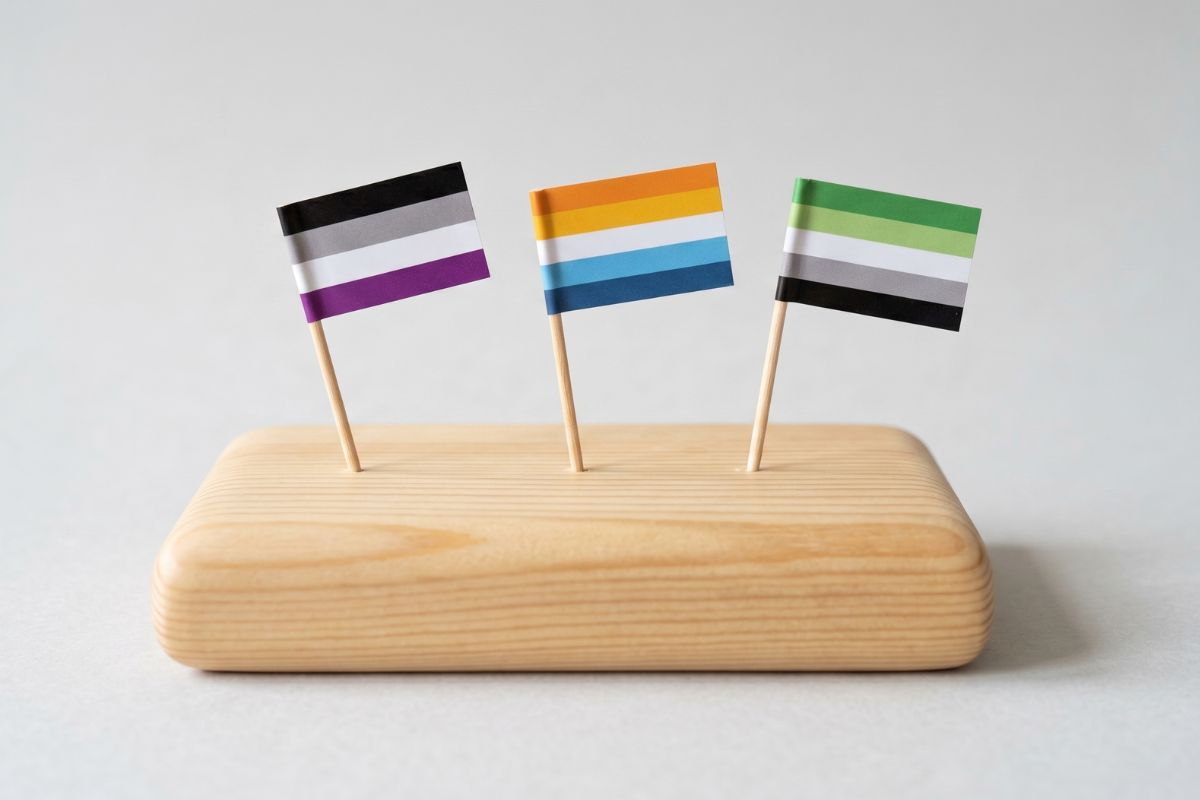
Pride Month is built around love and sexual liberation. For asexual and aromantic people, that framing can make June feel like the loneliest month of all. Here is what that experience actually looks like, and what belonging means when the party was not designed with you in mind.

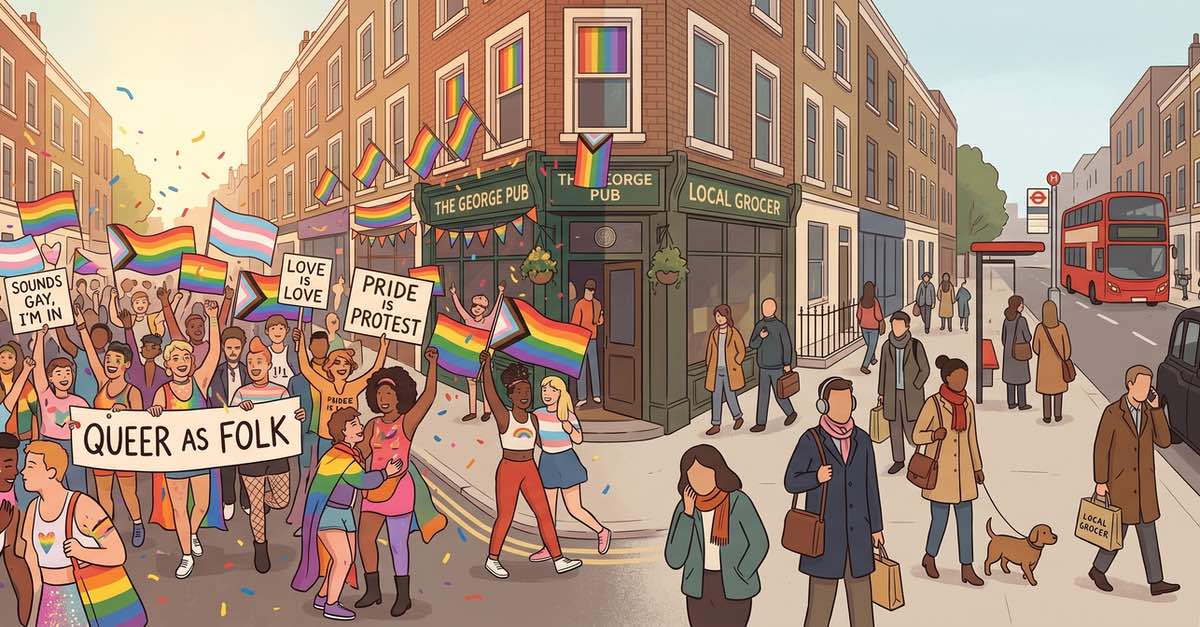
For a few hours every summer, the guesswork stops. You can look around and simply know. This is what Pride does that nothing else does. The question worth asking is what happens when it ends.

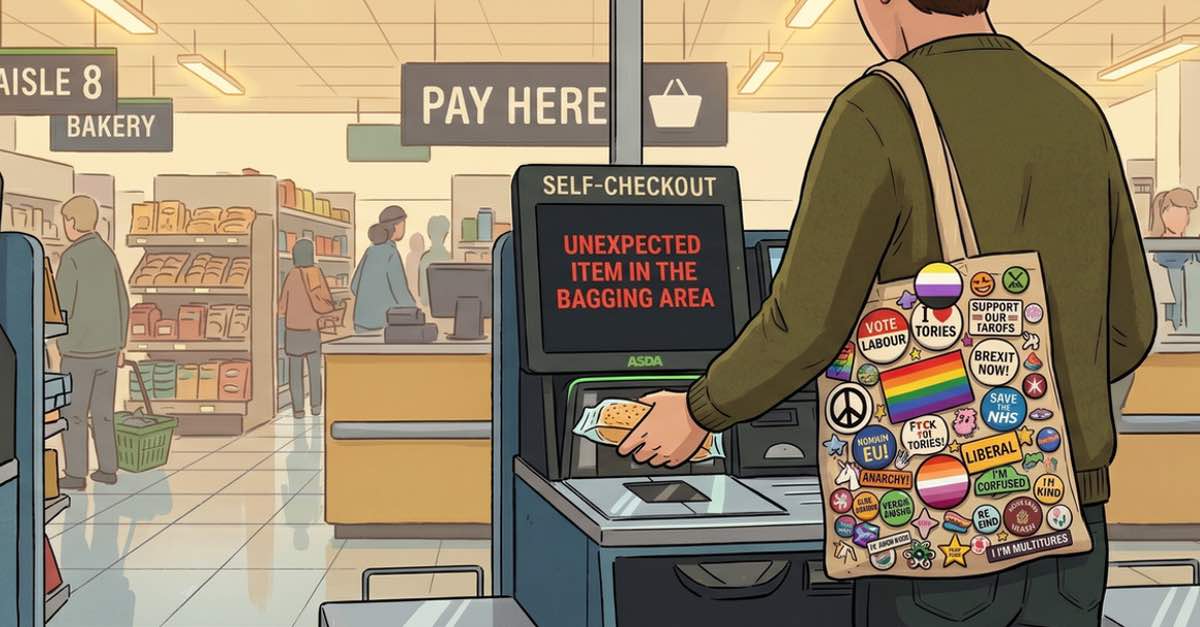
You and your people are in the same spaces every day. The same supermarkets, the same offices, the same commutes. The problem was never finding each other. It was knowing each other. And that is a different problem entirely.