Your Cart is Empty


In Houston, Texas, the rainbow crosswalks are gone.
Governor Greg Abbott ordered their removal, declaring them "illegal" road markings. The message was clear: LGBTQ+ visibility in public spaces is no longer welcome.
So LGBTQ+ residents responded by painting rainbows everywhere else.
Overnight, rainbow symbols appeared across the city. On pavements. On driveways. On business facades. On garden walls. Dozens of people, acting independently, armed with paint and brushes, transformed Houston into a canvas of defiant colour.
No organisation coordinated it. No permits were filed. No one asked for permission.
This is what resistance looks like when you try to erase an entire community. And it's a lesson for all of us.
Rainbow symbols aren't just pretty colours. They're political statements.
When a rainbow crosswalk exists in a public space, it says: LGBTQ+ people belong here. This space is for you. You're welcome.
When a government removes those crosswalks, they're making an equally clear statement: You don't belong here. Your visibility makes us uncomfortable. Disappear.
But here's what politicians like Abbott consistently fail to understand: you cannot legislate people out of existence.
You can remove official symbols. You can ban Pride flags from schools. You can roll back protections and dismantle DEI programmes. You can try to erase us from public view.
But you can't make us disappear. Because we're not symbols on a road—we're people. And people don't vanish because you've decided they're inconvenient.
What happened in Houston is significant precisely because it wasn't organised.
There was no central committee deciding where rainbows should be painted. No formal organisation issuing instructions. No official event with permits and insurance.
Just individual people, acting on their own initiative, creating visibility wherever they could.
This is the kind of resistance that's impossible to stop. You can remove a crosswalk—it's in one location, it's official, it's controllable. But how do you stop dozens of people painting rainbows on their own property? How do you police individual acts of defiance scattered across an entire city?
You can't. And that's the point.
Throughout history, the most powerful social movements haven't come from centralised organisations that can be shut down or co-opted. They've come from ordinary people making individual choices that, collectively, become unstoppable.
Rosa Parks refusing to give up her seat. Harvey Milk running for office. The first person to wear a pink triangle as a symbol of pride rather than shame. The Stonewall riots weren't planned by a committee—they were individual people saying "enough."
Houston's rainbow rebellion is part of that tradition.
Here's what makes this moment particularly significant: we're witnessing a coordinated attack on LGBTQ+ visibility across multiple fronts.
The pattern is clear: they want us invisible.
Not necessarily illegal (though some would prefer that too). Just... unseen. Back in the closet. Quietly existing without making straight people uncomfortable.
This is precisely why personal visibility becomes a political act.
When rainbow crosswalks are banned, the rainbow bracelet on your wrist becomes protest. When Pride flags come down from corporate headquarters, the pride badge on your jacket becomes resistance. When they remove LGBTQ+ visibility from public spaces, your refusal to hide becomes defiance.
Every time you signal your identity—in whatever way feels safe and authentic to you—you're saying: I will not disappear to make you comfortable.
The Houston response demonstrates something crucial: collective power comes from individual choices.
Each person painting a rainbow on their driveway made an individual decision. But when dozens of people make that same decision, independently, across a city—it becomes a movement.
This is true for all forms of visibility:
You don't need permission. You don't need coordination. You just need to refuse to be invisible.
And when enough people refuse, when individual defiance reaches critical mass, it becomes impossible to suppress.
You might not be in Houston. You might not have a driveway to paint. But you have power.
Every small act of visibility matters:
Wear your identity. Whether it's a bracelet, a badge, a flag on your bag, or simply being open about who you are—visibility is resistance. When they want us hidden, being seen is defiant.
Support LGBTQ+ spaces and businesses. When corporations withdraw support, our community-owned spaces become even more critical. Spend your money with businesses that don't retreat when it's politically convenient.
Correct erasure when you see it. When someone says "my friend" instead of "my girlfriend," correct them. When media erases LGBTQ+ people from stories, call it out. Small corrections create cultural change.
Show up for each other. When rainbow crosswalks are removed, paint new rainbows. When a colleague comes out, wear your visible support. When laws attack our community, contact your MP, join protests, make noise.
Refuse to disappear. The most powerful thing you can do is simply exist, visibly and unapologetically. Your presence—at work, in public spaces, in your community—is political. Your refusal to hide is resistance.
Politicians like Abbott operate under a fundamental misunderstanding: they think LGBTQ+ visibility is something granted by institutions that can be revoked when convenient.
They're wrong.
Our visibility doesn't come from crosswalks or corporate Pride campaigns or government policies. It comes from us. From individual people choosing to be seen. From communities refusing to be erased. From the collective decision to exist loudly in spaces that want us quiet.
They can remove official symbols. They can ban flags from schools and crosswalks from streets. They can dismantle programmes and withdraw sponsorships.
But they cannot remove us.
Every person wearing their identity is a reminder: we're still here. Every rainbow painted on a driveway, every pride bracelet on a wrist, every couple holding hands in public—all of it says the same thing:
You cannot legislate us out of existence. We will not disappear. We refuse.
Houston showed us what's possible when individuals choose visibility. When people refuse to accept erasure. When personal acts of defiance become collective resistance.
You don't need permission to be visible. You just need to refuse to hide.
Browse RCREW's pride collection and wear your defiance. Because when they try to erase us from public spaces, personal visibility becomes political resistance. Be seen. Be proud. Be ungovernable.

Pride Month is built around love and sexual liberation. For asexual and aromantic people, that framing can make June feel like the loneliest month of all. Here is what that experience actually looks like, and what belonging means when the party was not designed with you in mind.

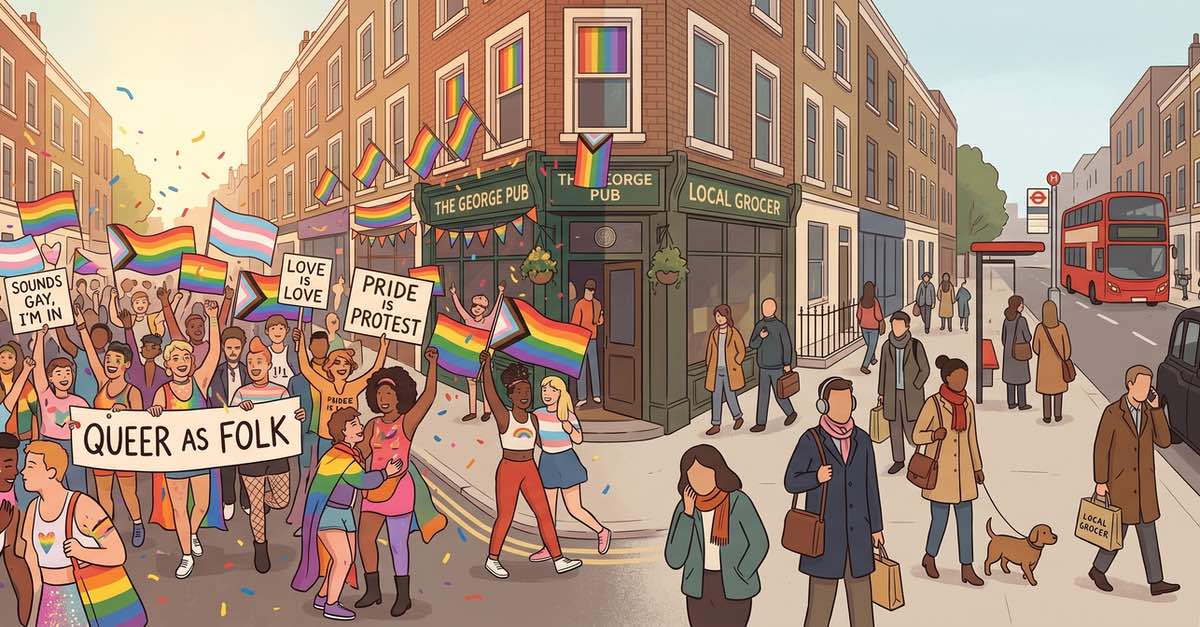
For a few hours every summer, the guesswork stops. You can look around and simply know. This is what Pride does that nothing else does. The question worth asking is what happens when it ends.

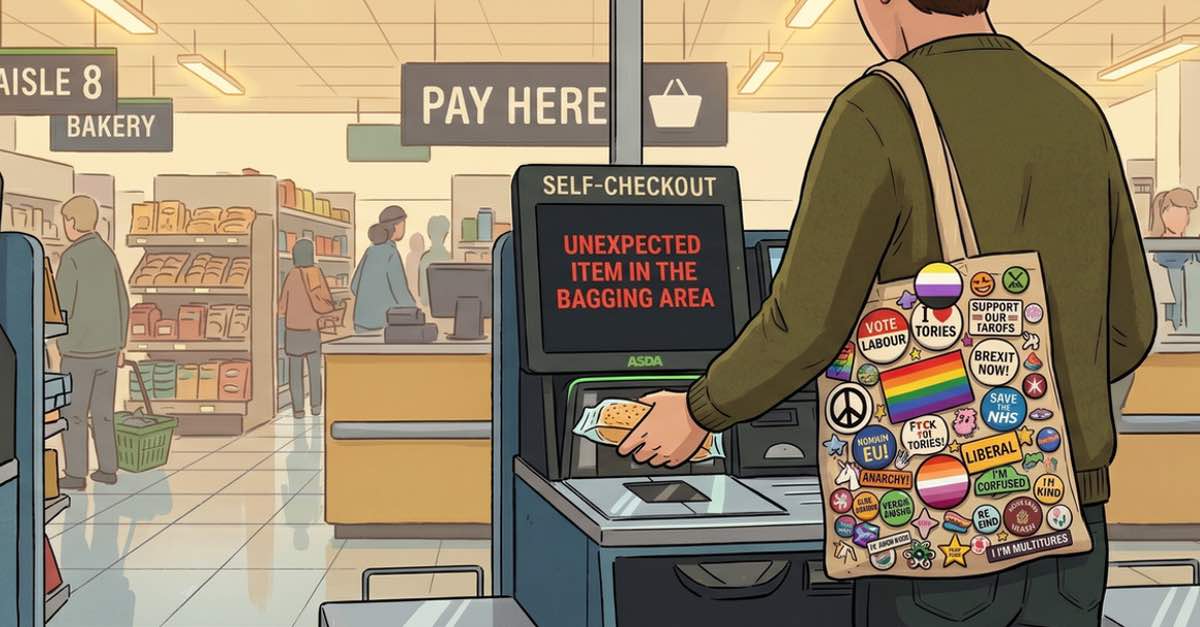
You and your people are in the same spaces every day. The same supermarkets, the same offices, the same commutes. The problem was never finding each other. It was knowing each other. And that is a different problem entirely.