Your Cart is Empty


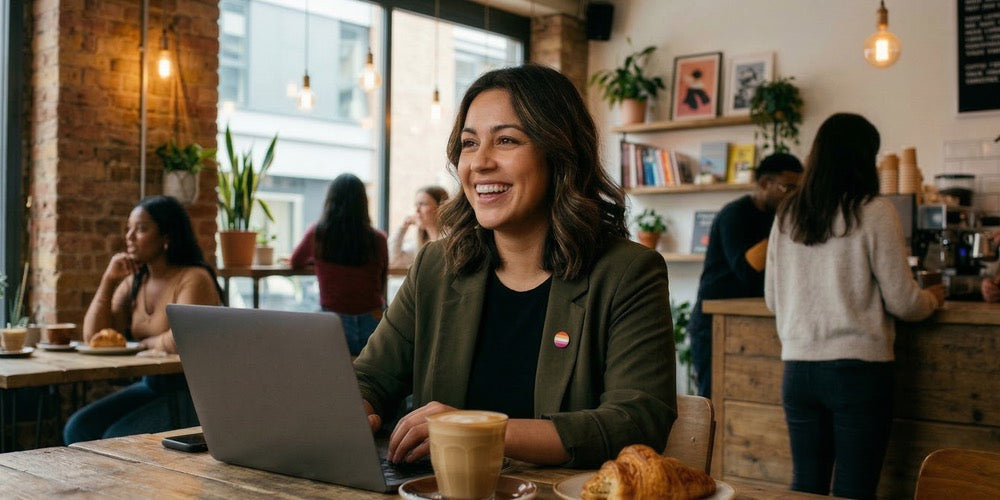
Picture this. A woman sits in a coffee shop, catches the eye of someone across the room, and feels that familiar question: is she? There's something. A small pin on a jacket lapel. A particular combination of colours worn quietly. Something that could be nothing, or could be everything, depending on who's reading it.
The question hangs there. And then, a nod. A half-smile. A conversation that wouldn't have happened otherwise.
This is Lesbian Visibility Week, running 20 to 26 April. Not just the awards and the advocacy, the panels and the Power Lists (though all of that matters). Also this. The quiet recognition of one person by another, in a space that wasn't built for either of them.
Lesbian Visibility Week takes place every April, anchored by Lesbian Visibility Day on 26 April. It began in Los Angeles in 1990, born out of a specific frustration: that even within the LGBTQ+ movement, lesbian women were consistently less visible, less heard, and less represented than gay men. The week was revived in the UK in 2020 by DIVA magazine publisher Linda Riley, and has grown into a global annual event with events, awards, and community gatherings across the UK and beyond.
The 2026 theme is Health and Wellbeing. It is a timely choice. Research consistently shows that lesbian women experience disproportionate rates of depression, anxiety, and other mental health challenges, driven by the compounding weight of both misogyny and homophobia. Visibility is not a luxury or a celebration in isolation. Being seen, being recognised, having your identity reflected back to you in the world: these things have measurable consequences for how people feel about themselves and their place in it.
Lesbian invisibility is not one thing. It takes different forms depending on how a woman presents, and each form carries its own costs.
For butch and gender non-conforming lesbians, visibility can mean exposure: being read as queer in spaces where that carries risk, being stared at, being challenged, being targeted. The visibility they have is often unwanted and comes without safety.
For femme lesbians, the problem runs in the opposite direction. Feminine presentation reads as straight to most of the world. A woman with long hair, wearing a dress, with jewellery and makeup, walks into a room and is immediately, automatically assumed to be heterosexual. Not by hostile strangers necessarily, but by everyone: colleagues, family, strangers on a train, and often by other queer women too.
One writer described growing out her hair, starting to wear makeup and jewellery, and becoming effectively invisible in the queer scene. Another put it simply: without a visibly queer woman on her arm, she was queer only by association. The erasure happens not because people are hostile, but because the default assumption is so powerful that it overrides everything else.
What makes femme invisibility particularly exhausting is that it has no endpoint. Coming out is not a single event for a femme lesbian. It is a continuous practice: at every new job, every family gathering, every first conversation with someone new. The closet has a revolving door, and it never stops turning.
There is a privilege in this, and the community is honest about it. A femme lesbian is not in physical danger in the same way that a visibly gender non-conforming woman might be. She can move through many spaces without friction. But the cost of that safety is a kind of invisibility that can be, as multiple community voices describe it, genuinely isolating. To have imploded an entire life to embrace an identity, and then to find that identity simply does not register to the world around you, hurts in a particular way.
Lesbian Visibility Week was not named Lesbian Loudness Week. The distinction matters.
Visibility, in the way the community understands it, is not about performing identity for an audience that may not be safe or relevant. It is about being legible to the people who matter: other queer women, potential partners, people who would stop and start a conversation if they knew there was one to be had.
Lesbians have always understood this. The history of lesbian coded signals, from Sappho's violets to the rings Anne Lister exchanged with Ann Walker in 1834, from the carabiner on the belt loop to the sunset flag's orange and pink, is a history of women finding ways to be visible to each other without announcing themselves to everyone. (You can read that full history in our post on The Secret History of Lesbian Coded Signals.)
That instinct, being seen by those who know without being exposed to those who don't, is precisely what visibility means for many lesbians. It is not a contradiction. It is a strategy that has kept women connected to each other across centuries.
The challenge is that the signals require someone to be sending them. A femme lesbian who has grown out her hair and wears jewellery has, in a real sense, gone quiet. The signals she might have sent, the ones that other queer women would have read immediately, have been replaced by a presentation that blends into the straight world. She may feel more herself than she ever has. She may also feel more alone.
This year's week runs from 20 to 26 April, with Lesbian Visibility Day falling on 26 April. The theme of Health and Wellbeing brings a particular urgency: at a moment when LGBTQ+ rights are under pressure globally, protecting the mental and physical health of the community is an act of resistance as much as self-care.
Events take place across the UK and internationally. DIVA magazine coordinates the flagship programme, including the DIVA Awards and Power List, which celebrate the achievements of LGBTQ+ women and non-binary people. Local events, panels, and community gatherings run throughout the week. The official site (lesbianvisibilityweek.com) has the full programme.
For anyone who has ever felt invisible in their own identity, this week is a reminder that the feeling is real, widely shared, and worth speaking about.
Lesbian Visibility Week lasts seven days. The need for visibility doesn't.
The coded signals lesbians have used across centuries were never reserved for specific weeks or occasions. They worked in the grocery shop, the office, the commute, the café. They worked in any room where two women might be, one of them wondering about the other, both of them hoping for a sign.
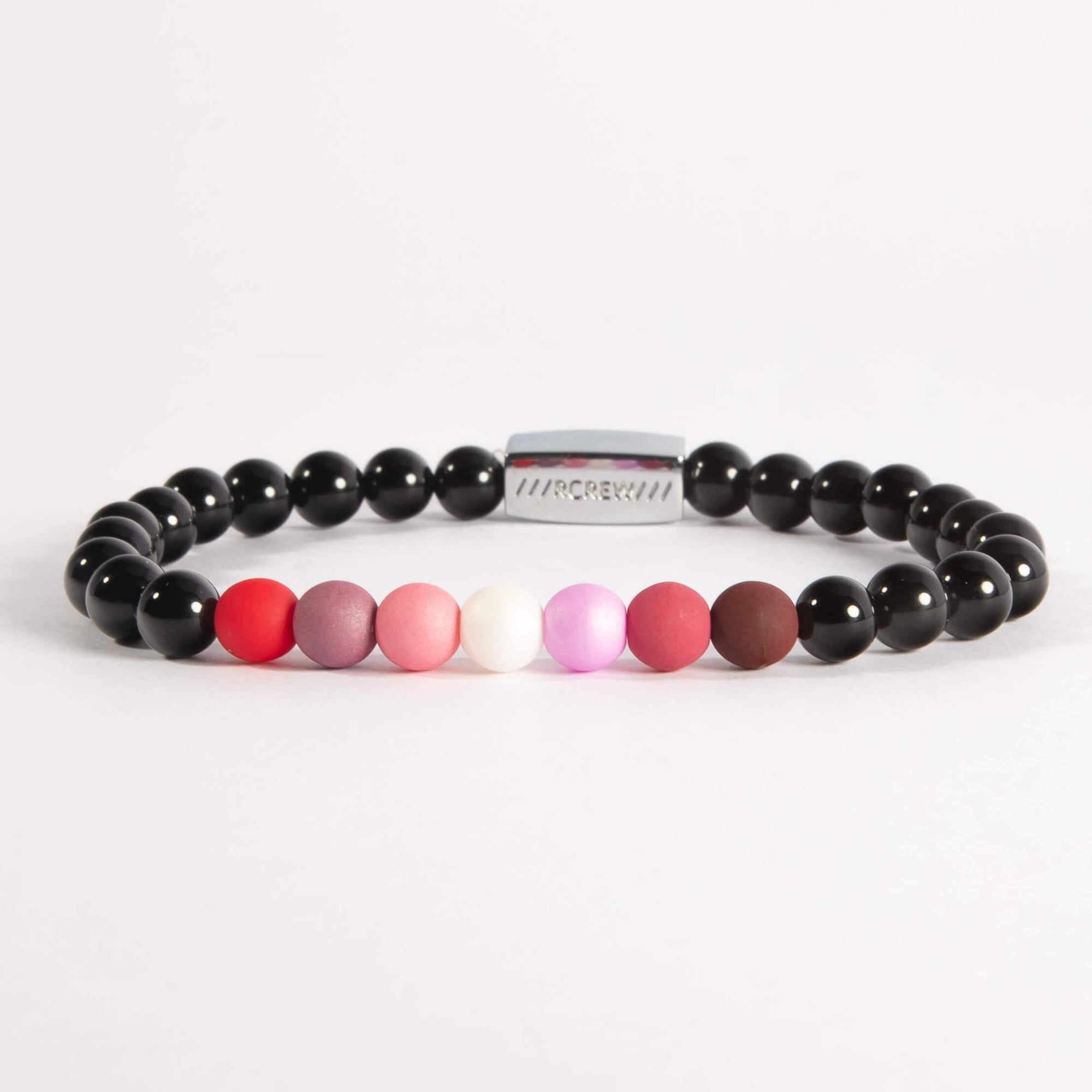
RCREW makes lesbian pride bracelets that carry those signals in stone. The pink lesbian bracelet was made for exactly this: the reds, pinks, and white of the femme flag, worn on the wrist, for the woman whose femininity and queerness exist in the same breath. To most people it reads as jewellery. To someone who knows those colours, it says something no words need to.
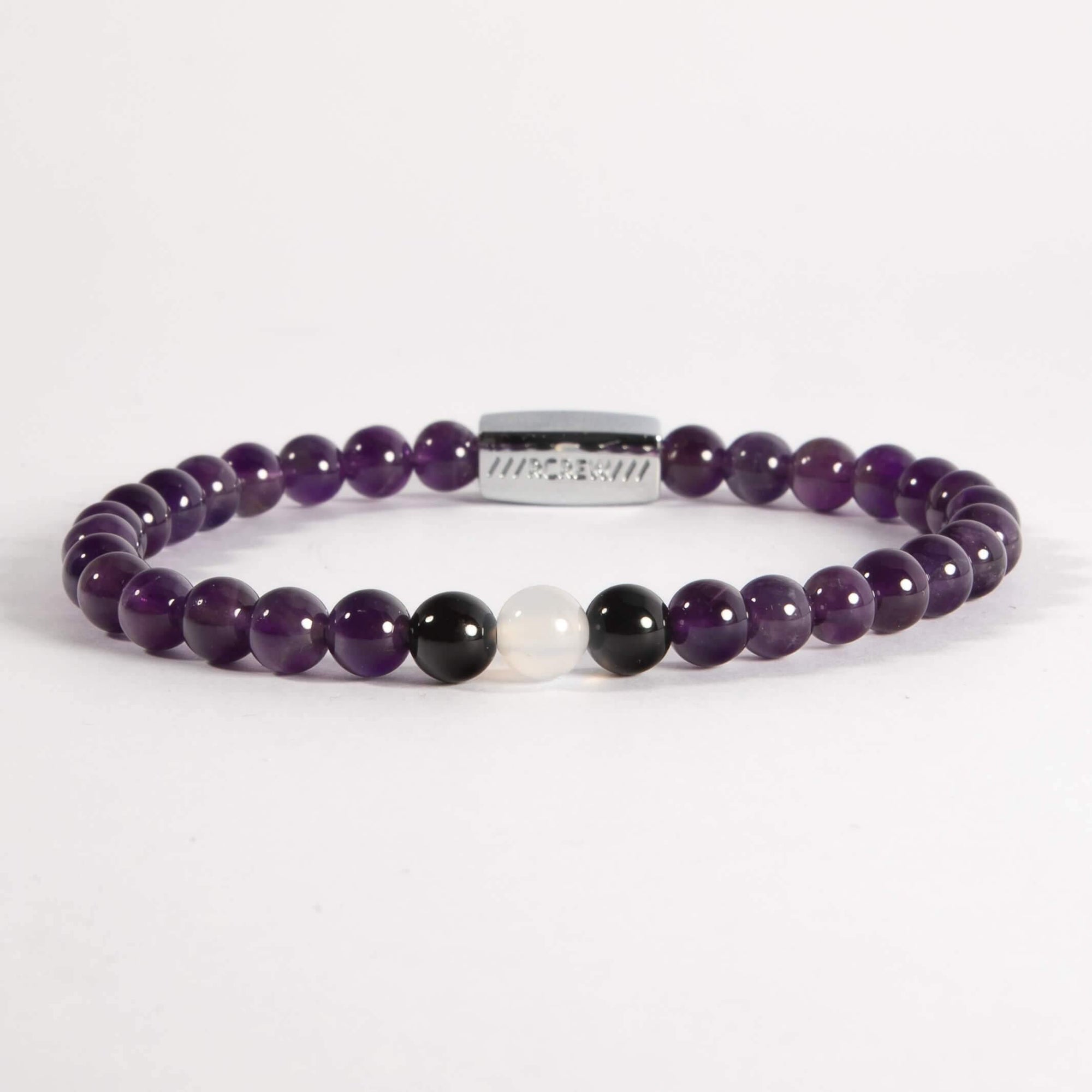
For those drawn to deeper roots, the labrys bracelet carries black (agate quartz), violet (amethyst), and white (agate) in semi-precious stones: the colours of a symbol with decades of history in lesbian feminist resistance. Both are handmade at Watford Workshop in the UK.
To the person who recognises those colours, the bracelet says something no words need to. It says: I know what this means. Do you?
That is what visibility looks like when the week ends and ordinary life resumes. Not a banner. Not a declaration. A signal, worn every day, in every room, waiting for the right person to read it.
Wear your signal. Be visible to those who matter.
For the full history of how lesbians have signalled identity across the centuries, read The Secret History of Lesbian Coded Signals. For a guide to the lesbian flags and what each one represents, read What Are the Lesbian Flag Colours?

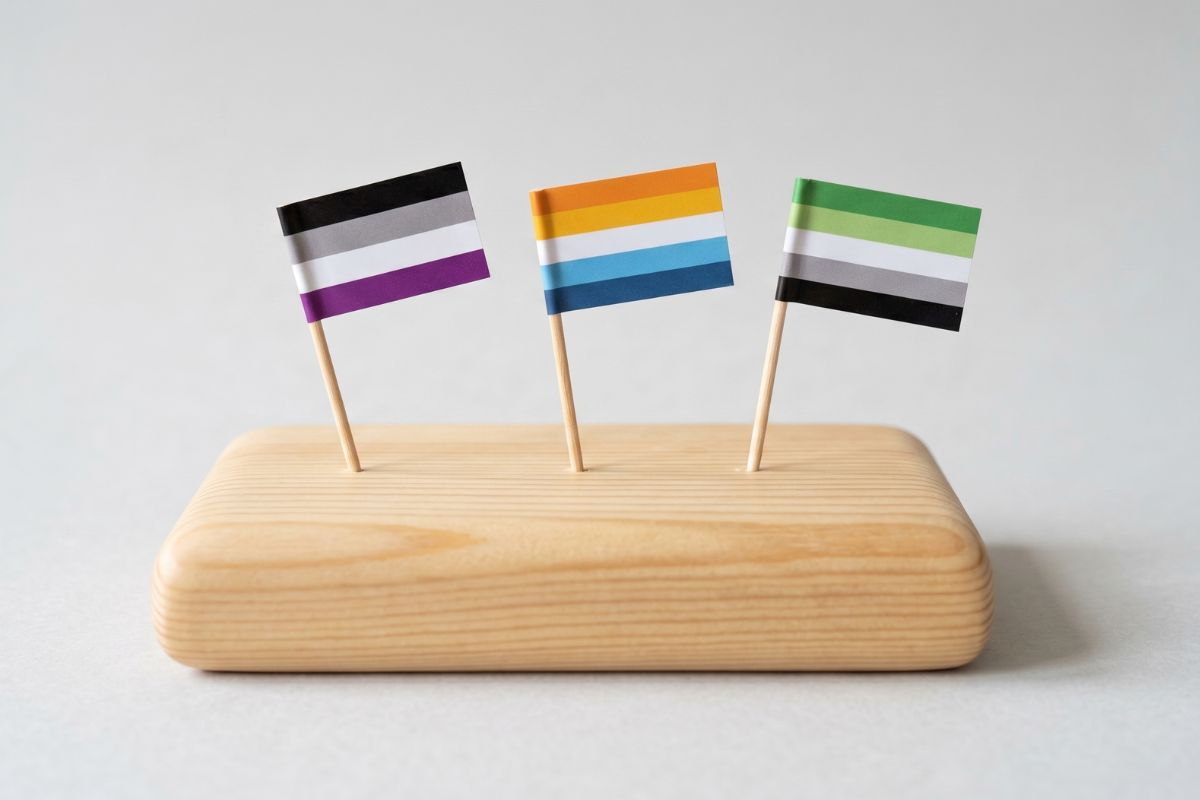
Pride Month is built around love and sexual liberation. For asexual and aromantic people, that framing can make June feel like the loneliest month of all. Here is what that experience actually looks like, and what belonging means when the party was not designed with you in mind.

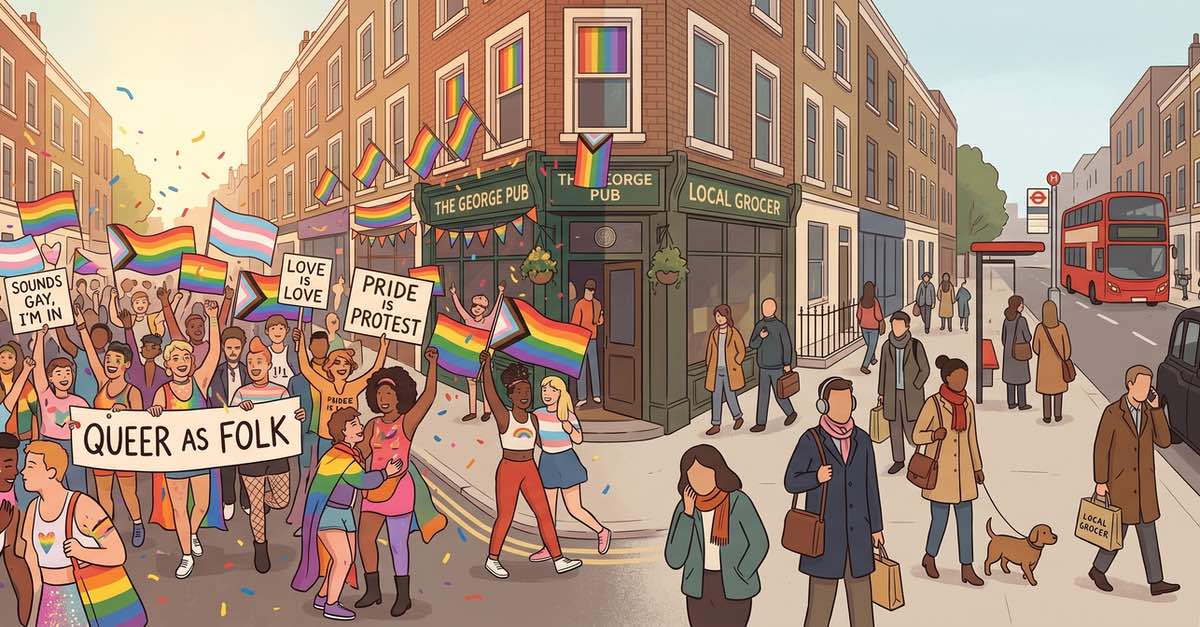
For a few hours every summer, the guesswork stops. You can look around and simply know. This is what Pride does that nothing else does. The question worth asking is what happens when it ends.

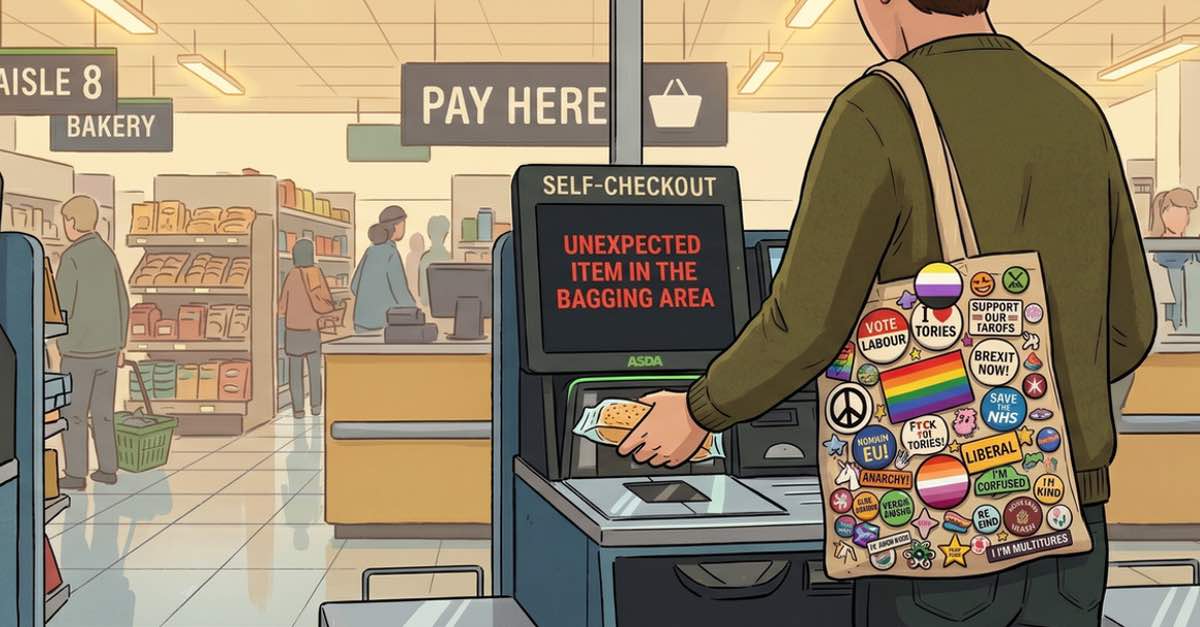
You and your people are in the same spaces every day. The same supermarkets, the same offices, the same commutes. The problem was never finding each other. It was knowing each other. And that is a different problem entirely.